
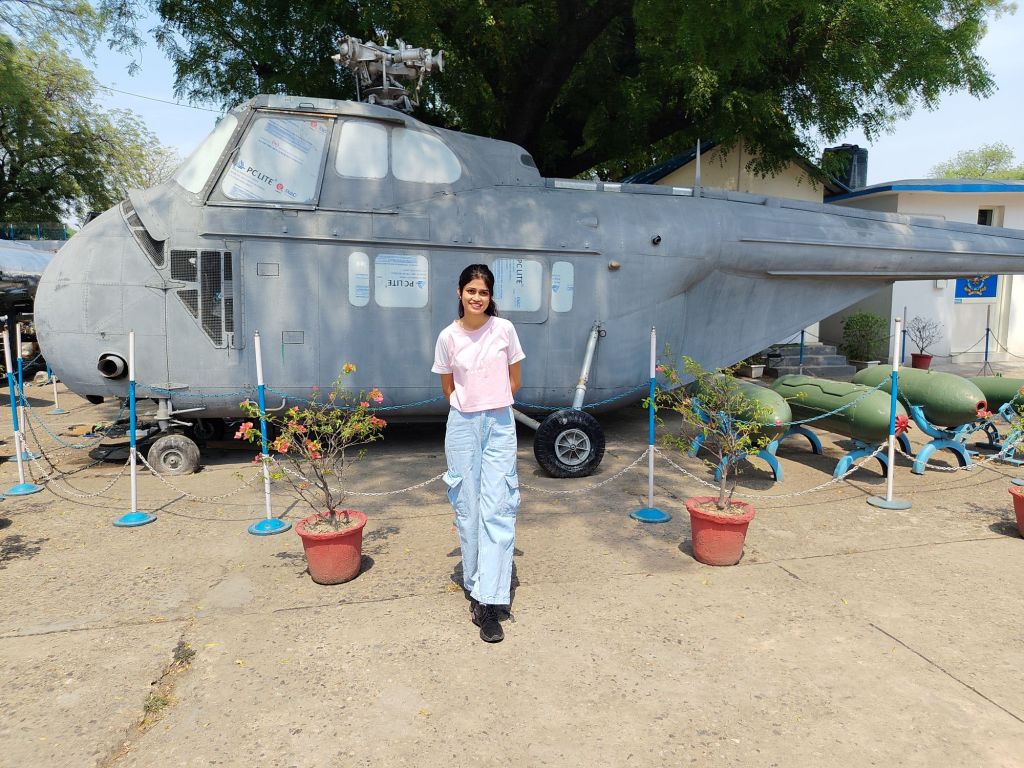
Stepping inside the Air Force Museum felt like crossing into a space filled with untold stories. It felt like a space where memories had been carefully preserved. There was silence all around, but even in that silence, many stories were hidden.
As I entered, I kept wondering what it would be like inside. Since I come from an Air Force background. I have been seeing aeroplanes, helicopters, blue uniforms and discipline since childhood. Even today, that same excitement is still alive inside me, maybe because I am getting to see those childhood memories again.
The Man Who Led from the Front: Arjan Singh
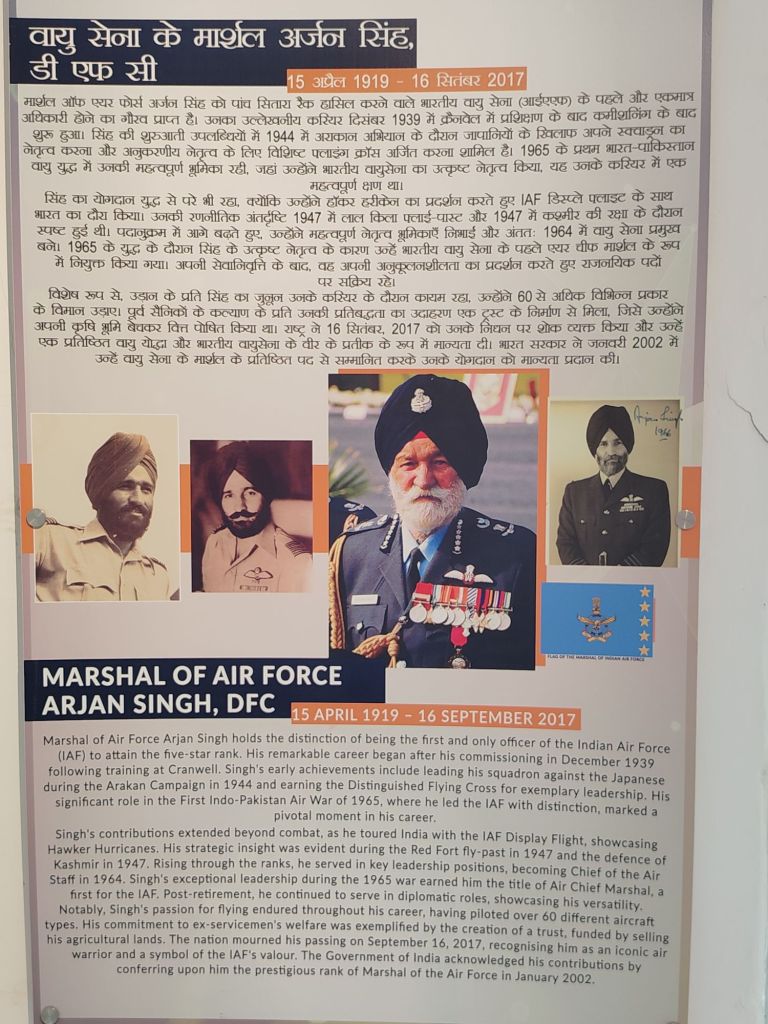
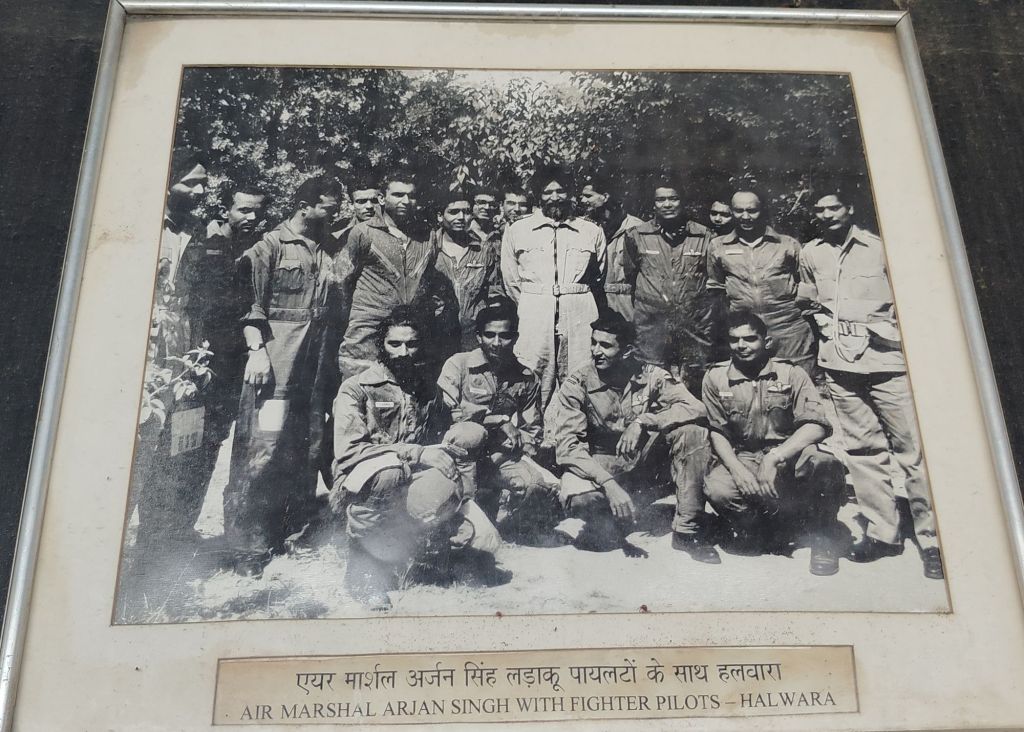
Among all the stories I came across, Arjan Singh’s journey felt truly powerful. He wasn’t just an officer; he was a leader who shaped the identity of the Indian Air Force. Starting his career in 1939 after training at Cranwell, he quickly proved his courage during World War II in the Arakan Campaign, earning the Distinguished Flying Cross.
What stood out the most was his leadership during the 1965 Indo-Pak war, where he led the IAF with confidence and clarity. Step by step, he rose through the ranks and became India’s first Air Chief Marshal in 1964.
But his story doesn’t end there, he flew more than 60 types of aircraft, contributed to key moments like the 1947 Red Fort fly-past and Kashmir operations, and even continued serving the nation in diplomatic roles after retirement. His dedication towards ex-servicemen through his trust showed his human side beyond the uniform.
In 2002, he was honoured with the prestigious title of Marshal of the Air Force, becoming the only officer to achieve this rank. Even after his passing in 2017, his legacy still feels alive, a perfect example of courage, leadership, and lifelong service.
War Remains That Spoke Without Words
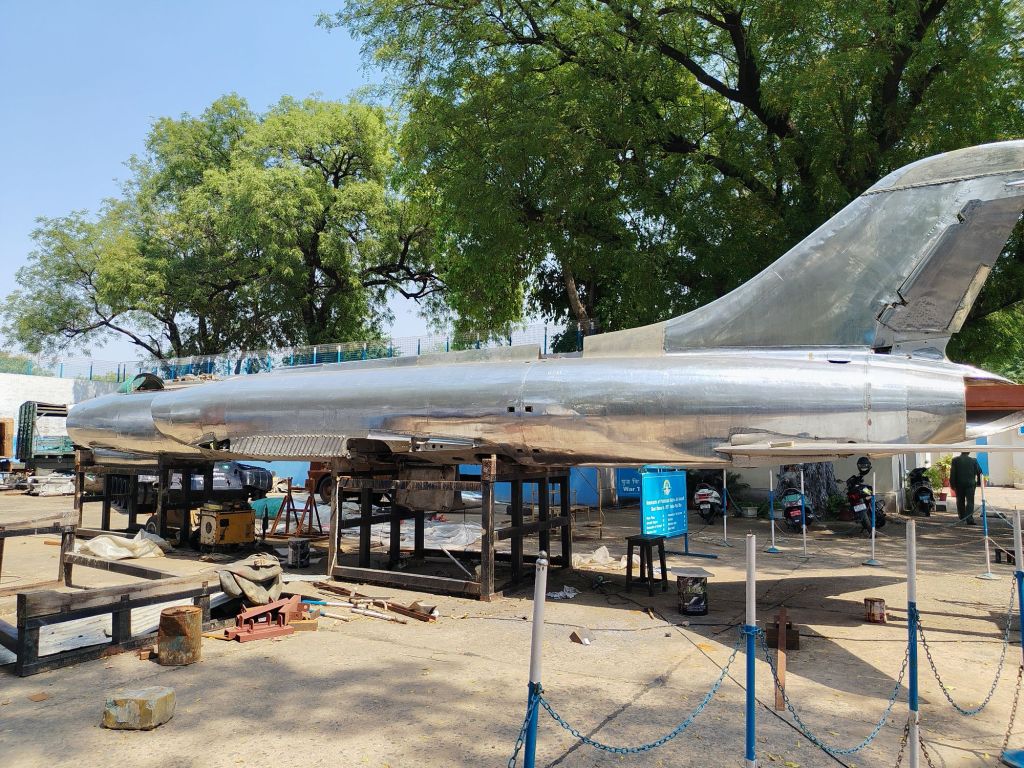
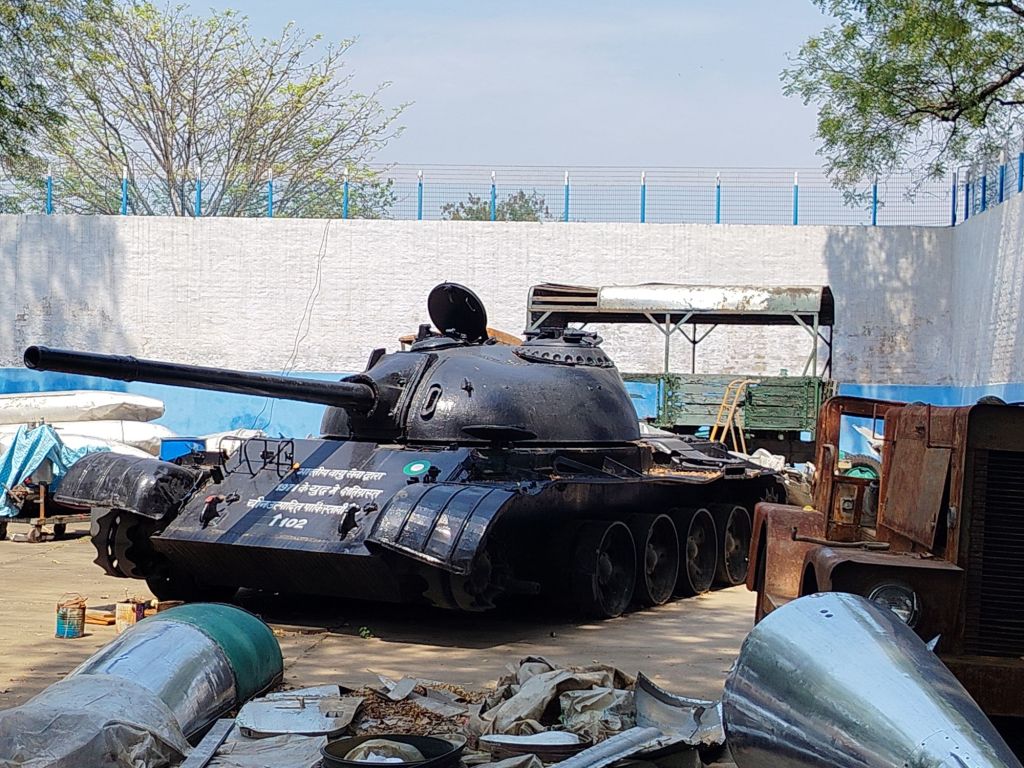
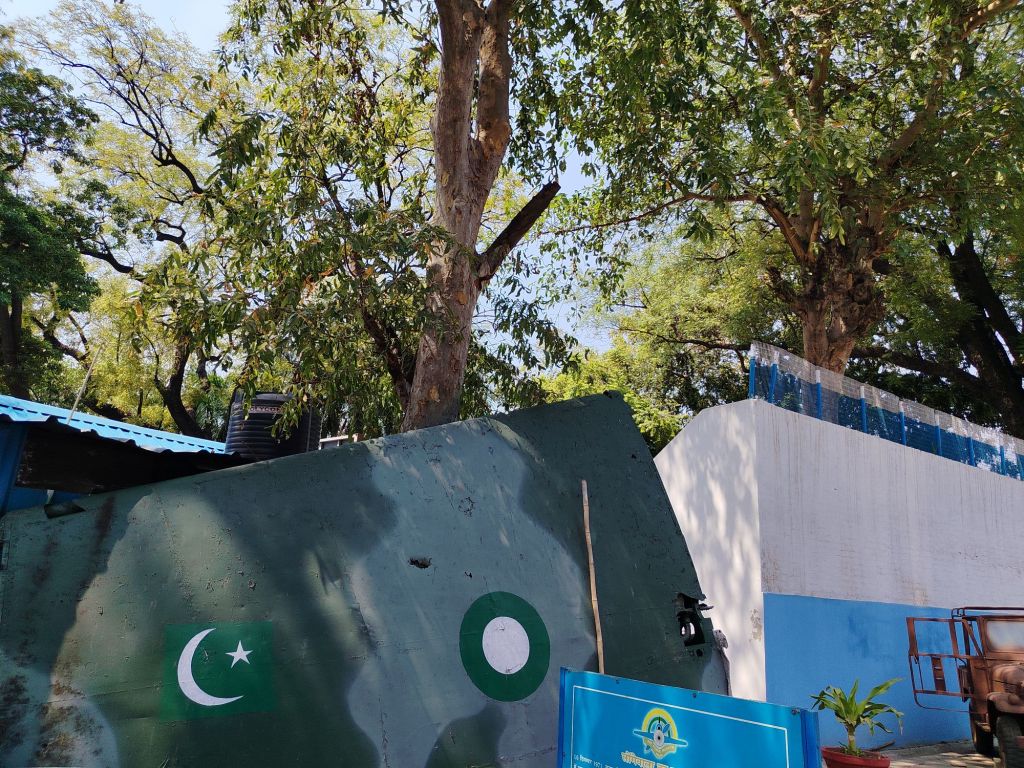
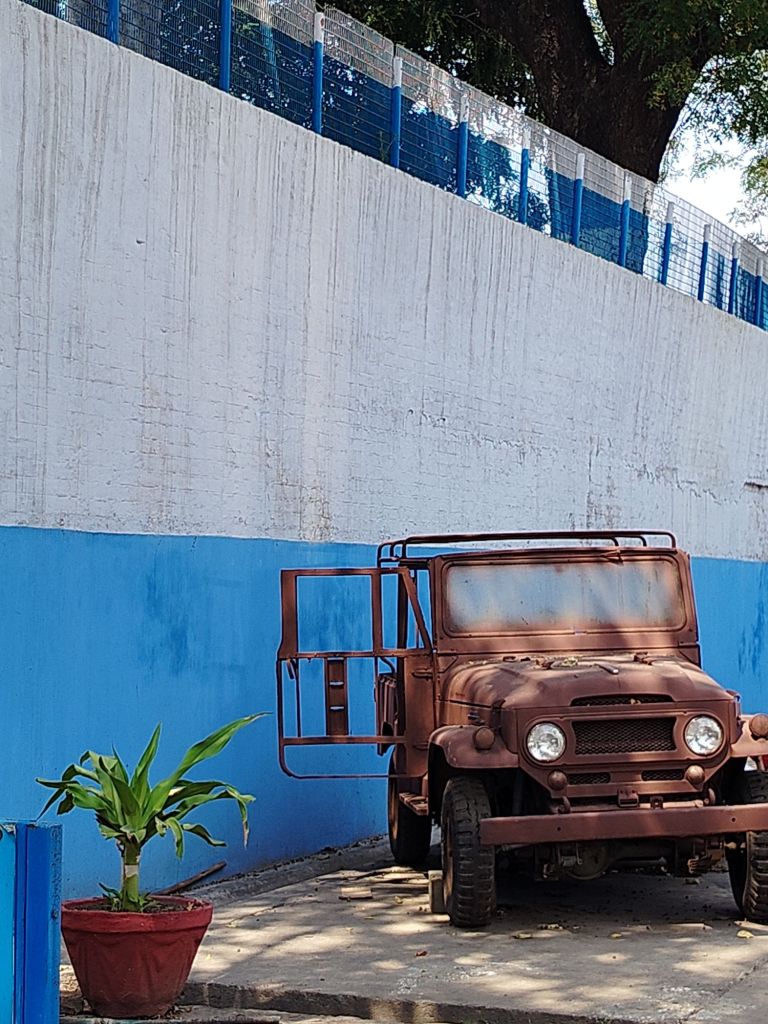
After taking the tickets, I went inside, and the first thing that caught my attention was the destroyed aircraft, tankers, and jeeps of Pakistan. These were destroyed during the war and have now been preserved here.
It didn’t feel like a normal museum piece. It felt raw and real. The damage and rust on them were telling their own stories. These were from the times of the 1965 and 1971 wars.
Understanding Power: Ranks & Structure
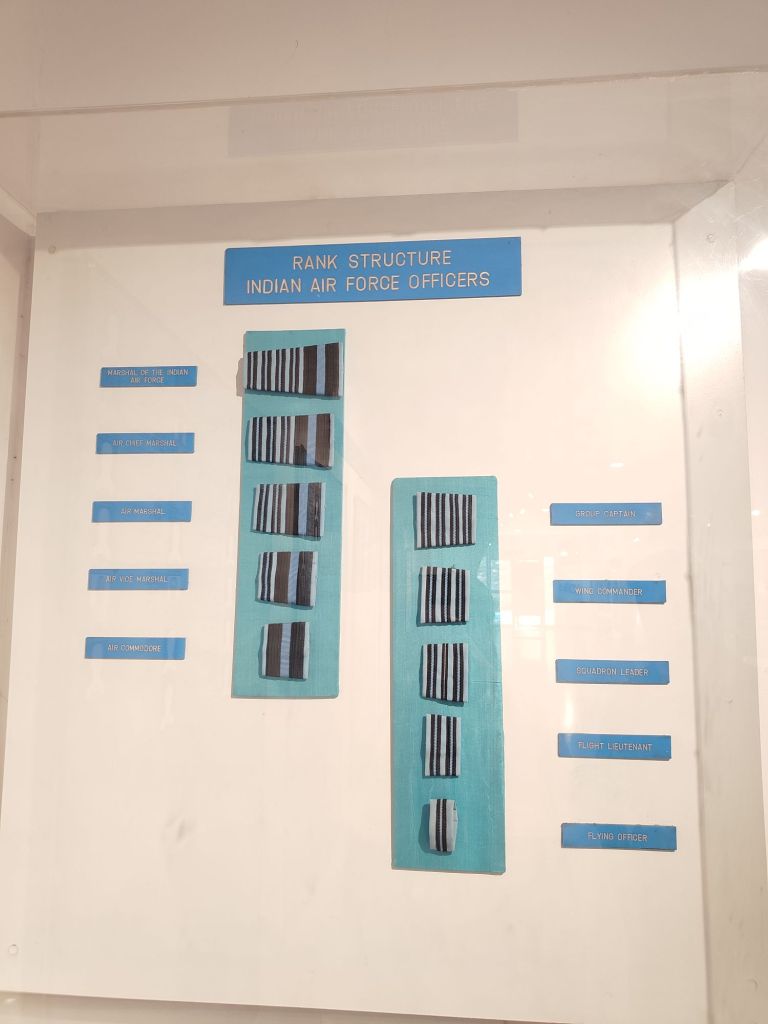
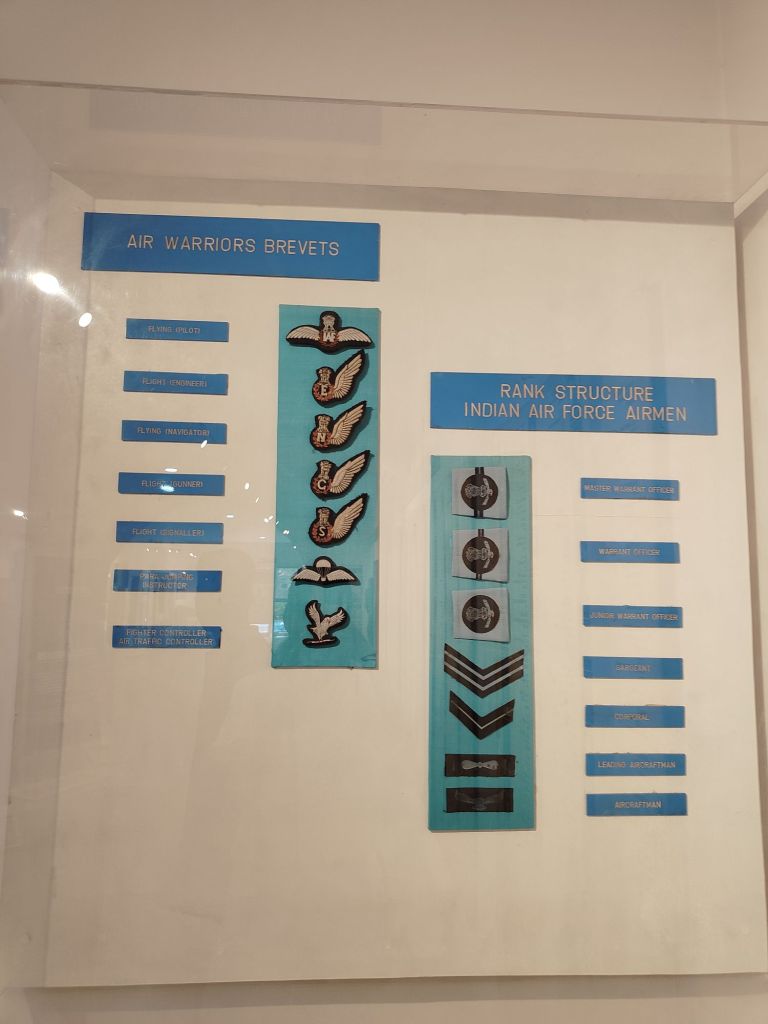
The first thing that struck me was the rank order in the Indian Air Force. Initially, it seemed somewhat perplexing; however, on closer consideration, it turned out that everything had been arranged systematically. From Aircraftman to Master Warrant Officer and further officer ranks such as Flying Officer, Squadron Leader, Wing Commander and Air Chief Marshal; each rank speaks of authority and personal development. This helped me realise that not only is the Indian Air Force all about flying aeroplanes, but about discipline and order as well.
Wearing Pride: Uniform & Identity
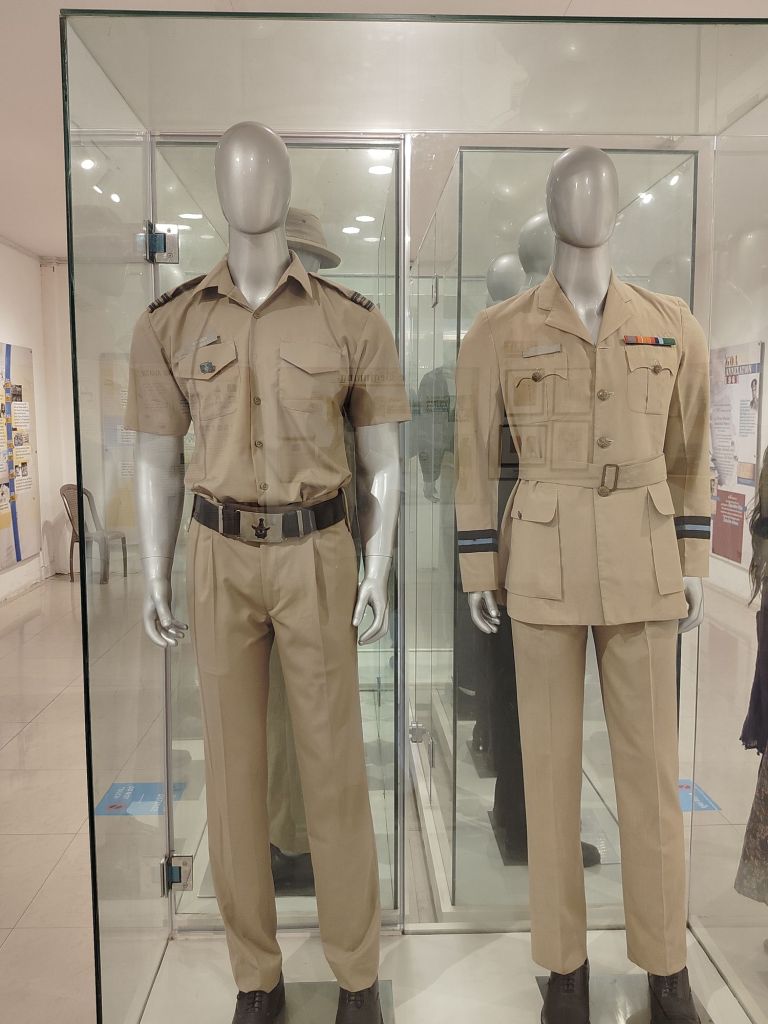
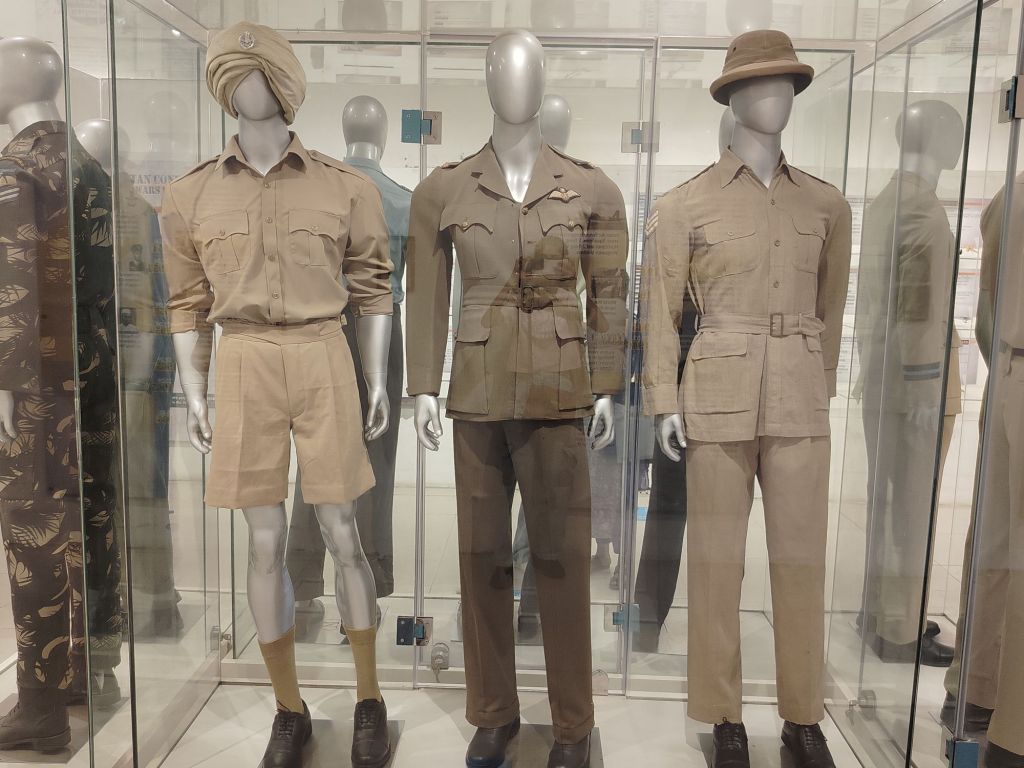
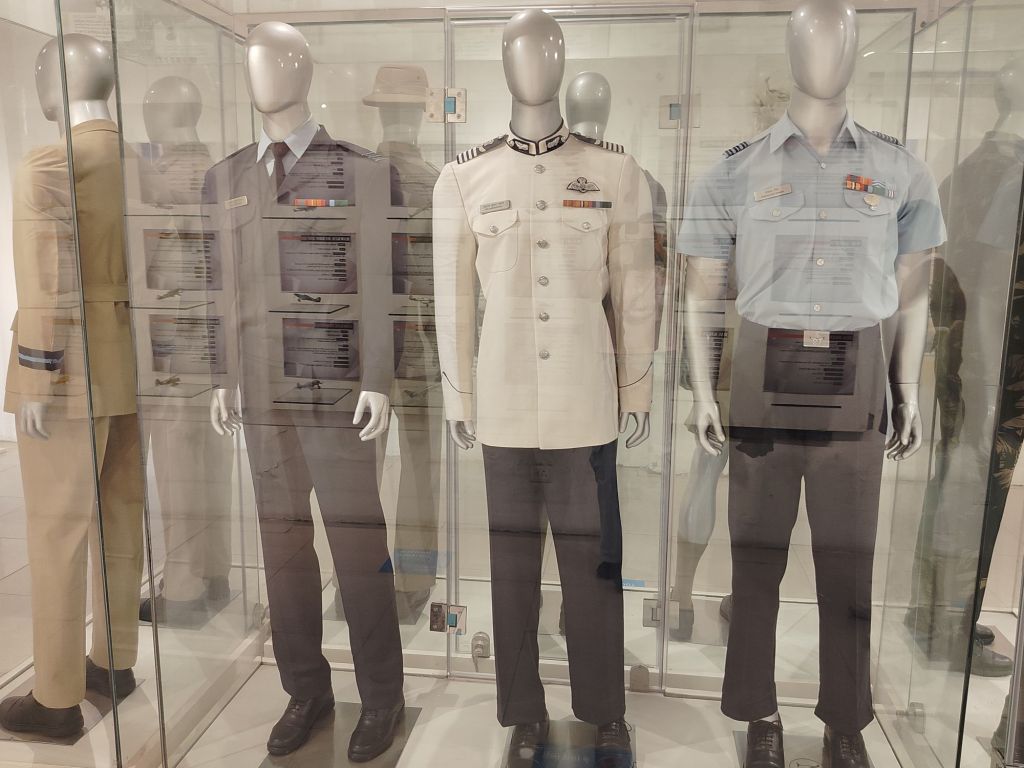
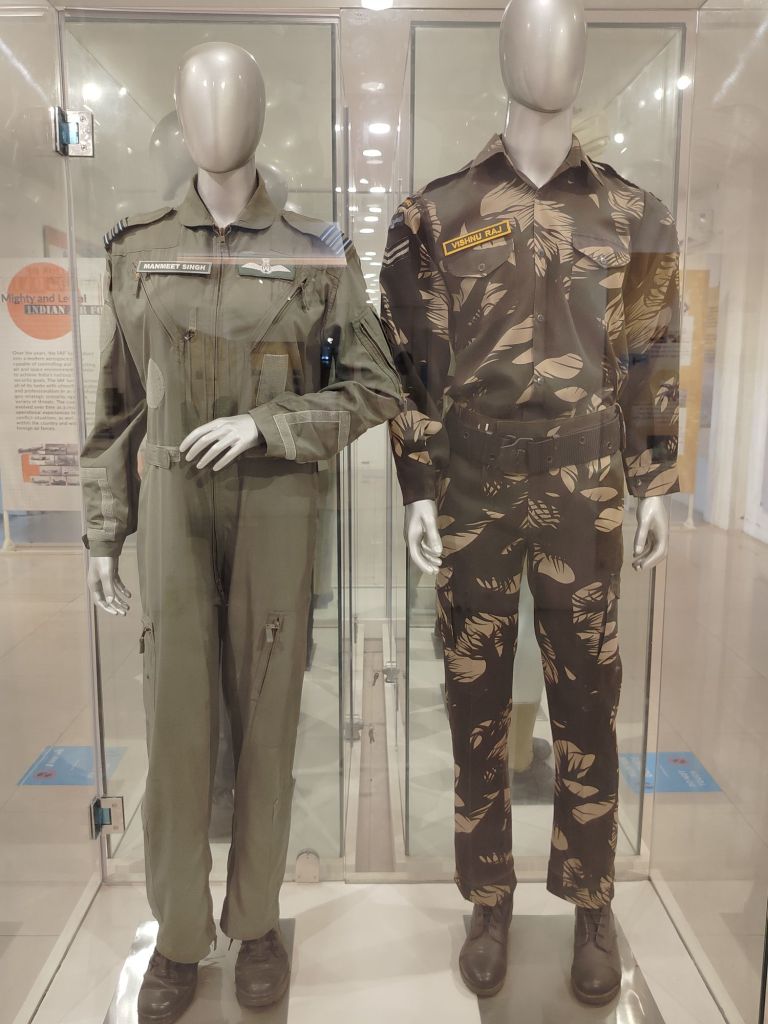
The uniforms displayed in the museum were honestly one of the most interesting things for me. I already had a basic idea about uniforms like when they are worn and what they represent but seeing them up close felt completely different.
Some of the uniforms were new to me. It was the first time I had seen certain styles and I noticed that each one was different depending on the rank and role. Even though they looked simple at first glance, the badges on them quietly spoke about the person’s position and achievements.
Looking at those uniforms made me realise something deeper that they are not just clothes. They represent honour, identity, and duty. When someone wears that uniform, they are not just dressing up; they are carrying the responsibility of the nation on their shoulders.
Identity in the Sky: Regional Command Flags
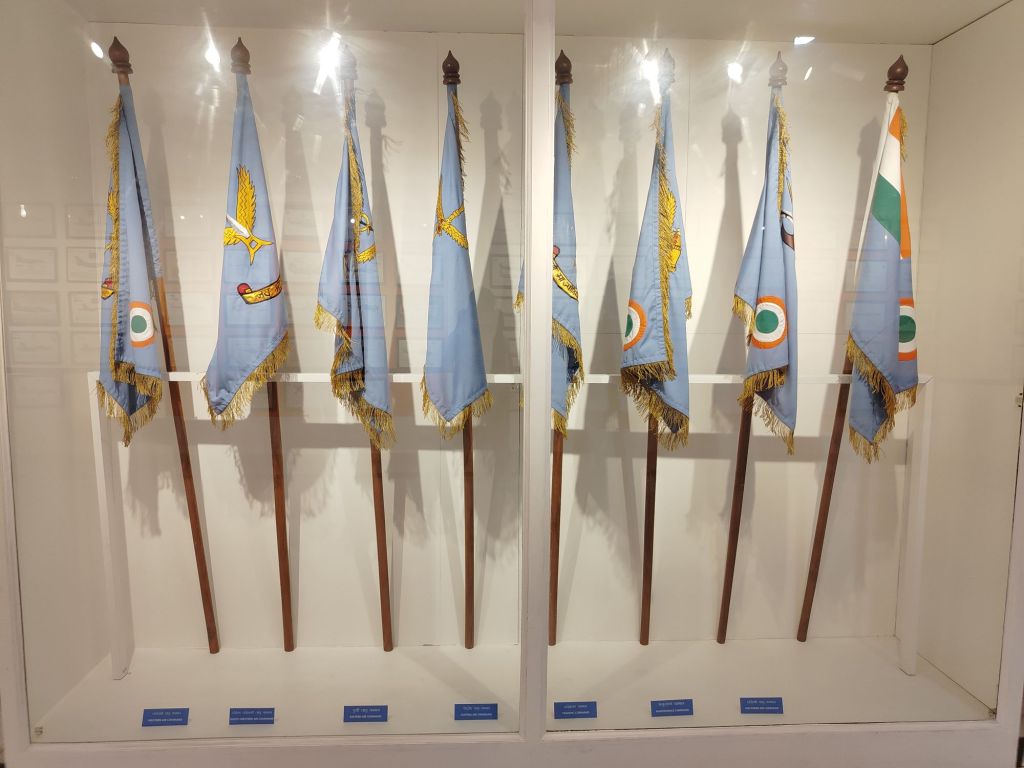
I also saw different flags and later I understood that these were not random, they represent different regional commands of the Indian Air Force. Each command controls a specific area of the country and has its own identity.
These flags show authority, responsibility and control over different regions. It made me realise that the Air Force is spread across the country in an organised way and every region is managed carefully through these commands.
Inside the Aircraft: Cockpit Experience
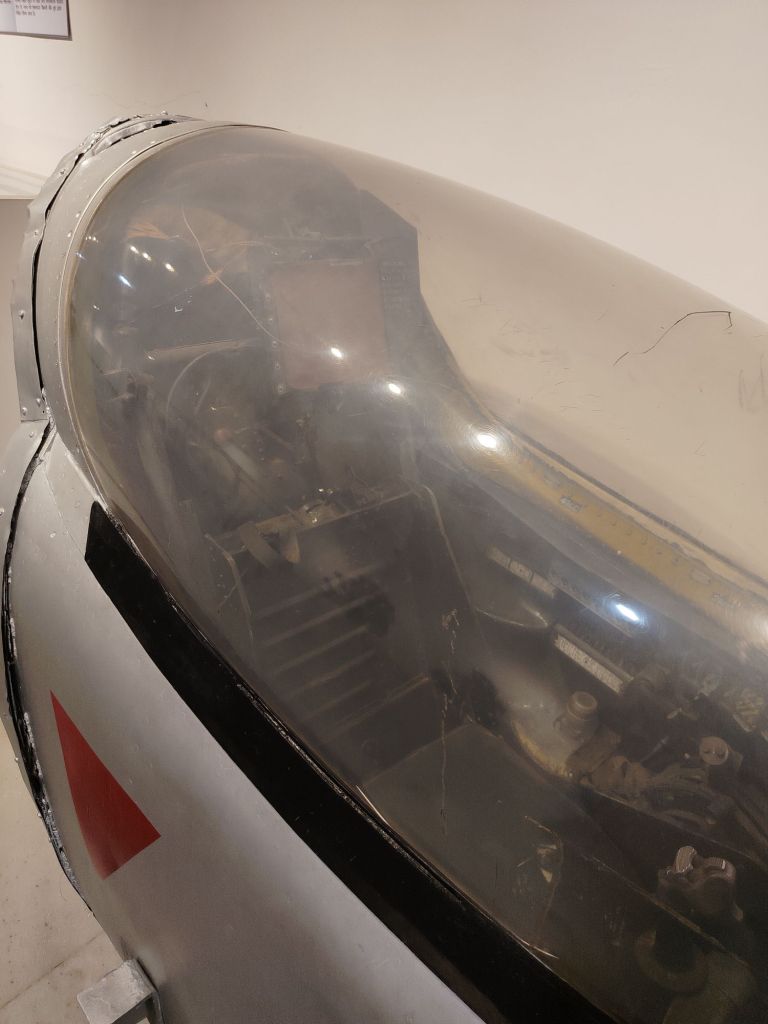
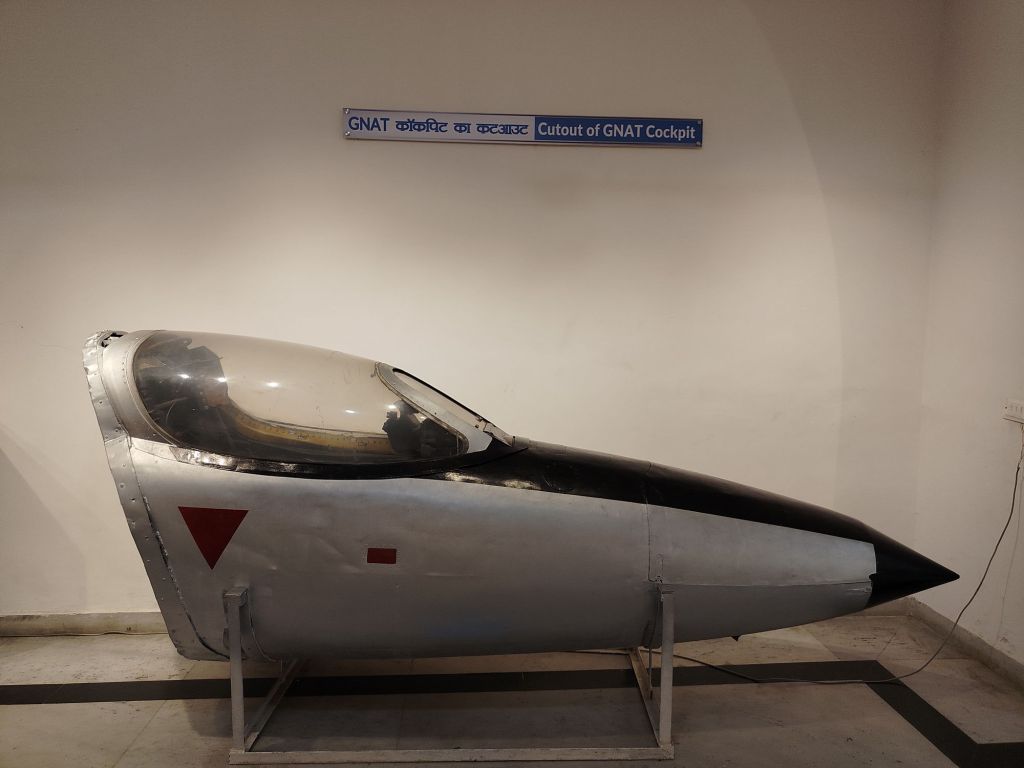
The cockpit model really grabbed my attention. It showed where the pilot sits and controls everything. All instruments, like speed, direction, and fuel, are managed from here.
It looked complex but also fascinating. I imagined how much focus and training a pilot needs to manage everything at once.
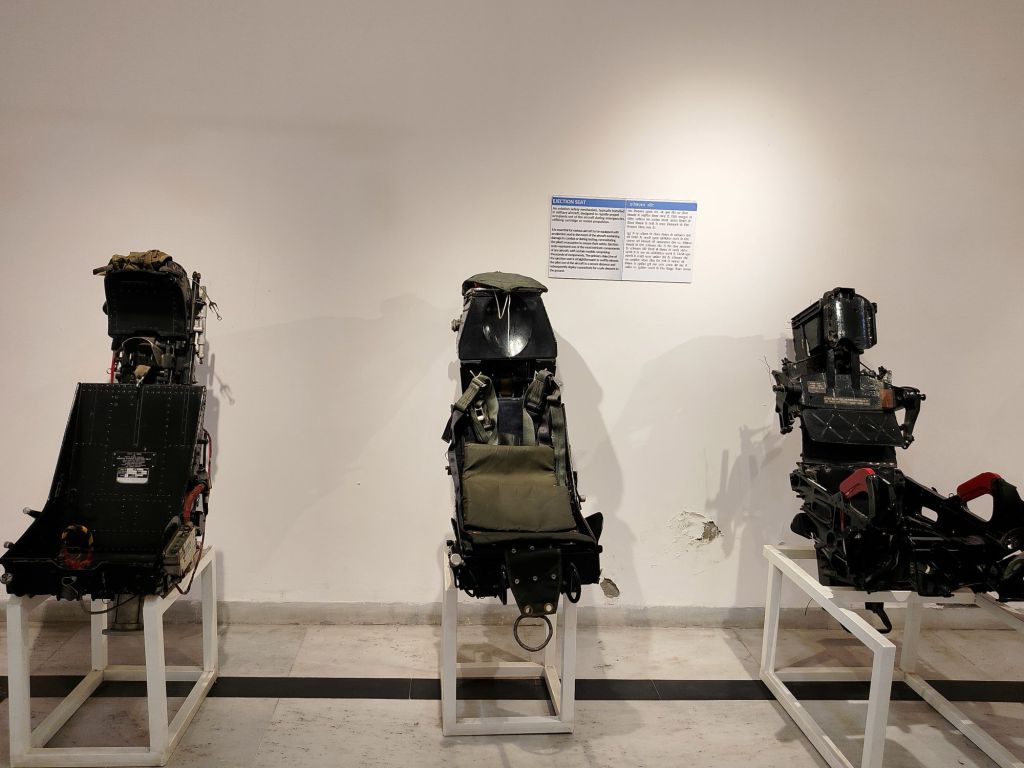
Life or Death in Seconds: Ejection Seat
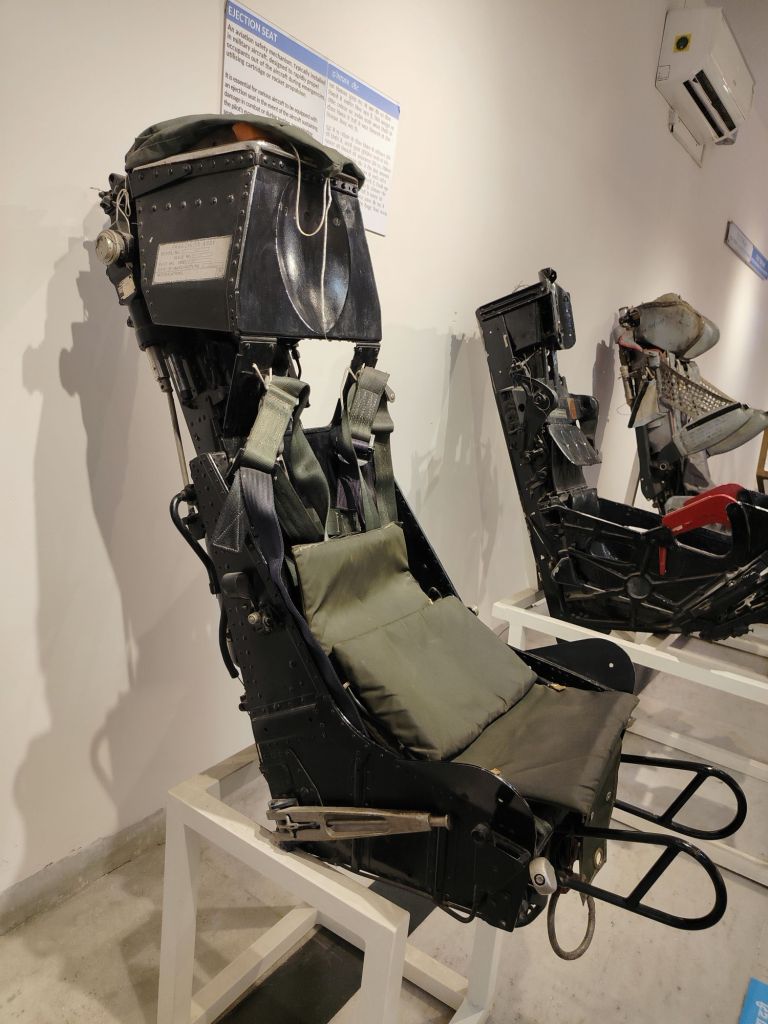
The ejection seat section was something I won’t forget. It showed how a pilot can escape during an emergency in just seconds.
This made me realise how risky flying is and how important safety systems are.
Hidden Heroes: Technology & Communication
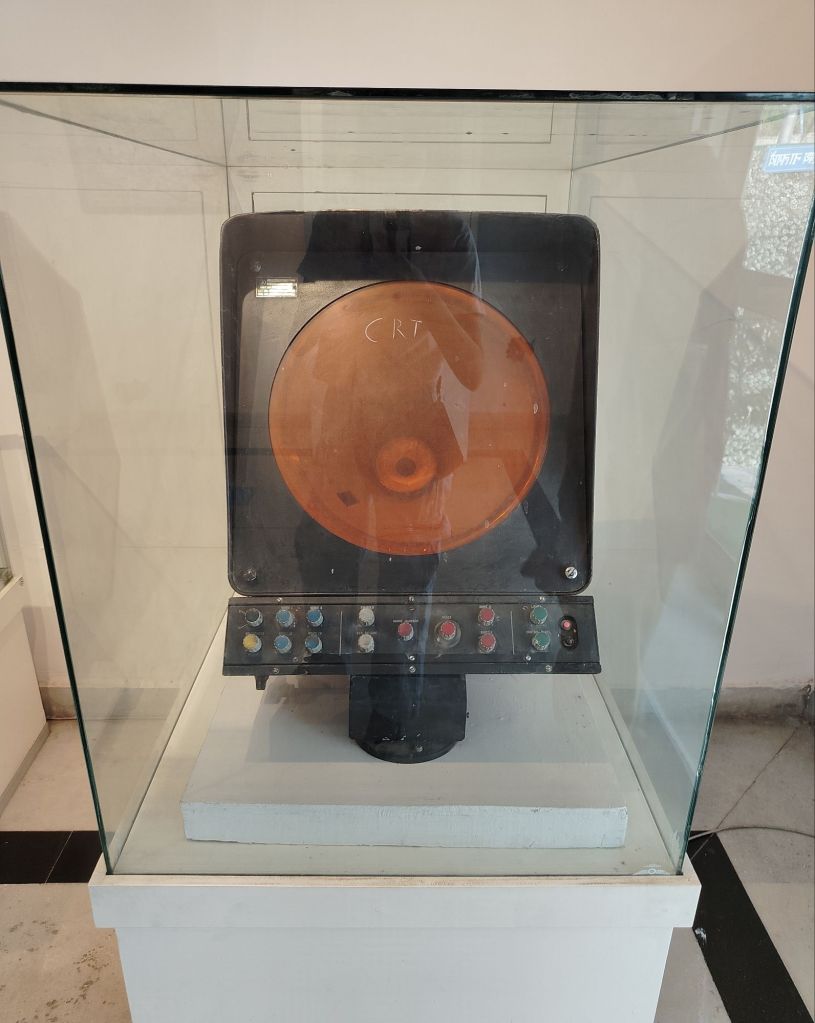
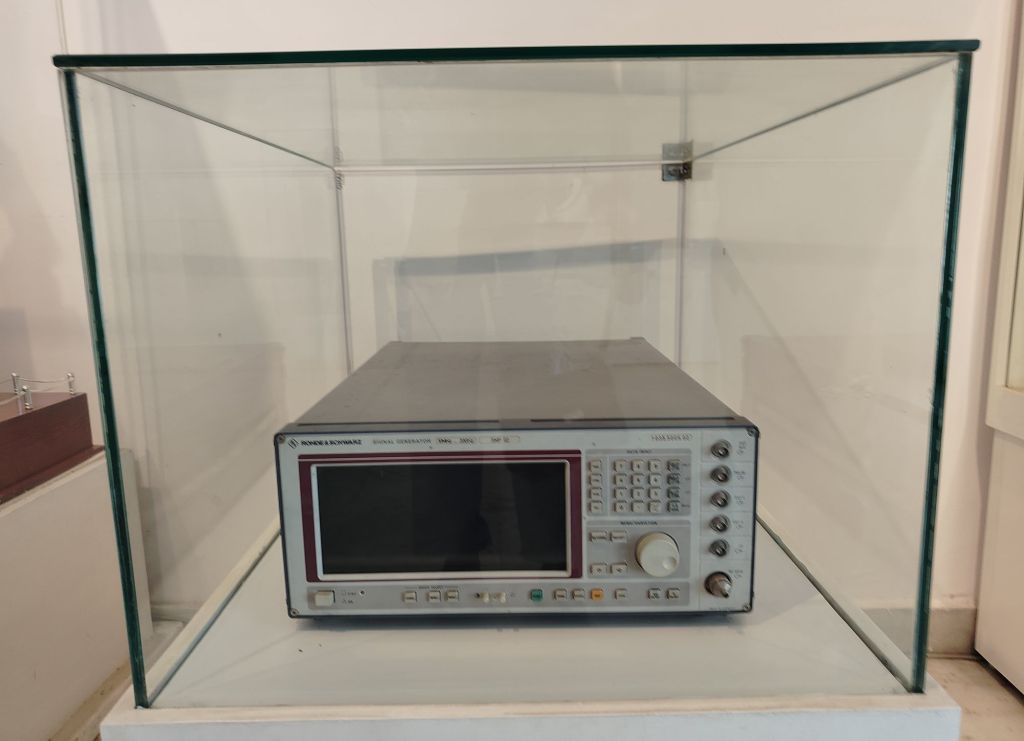
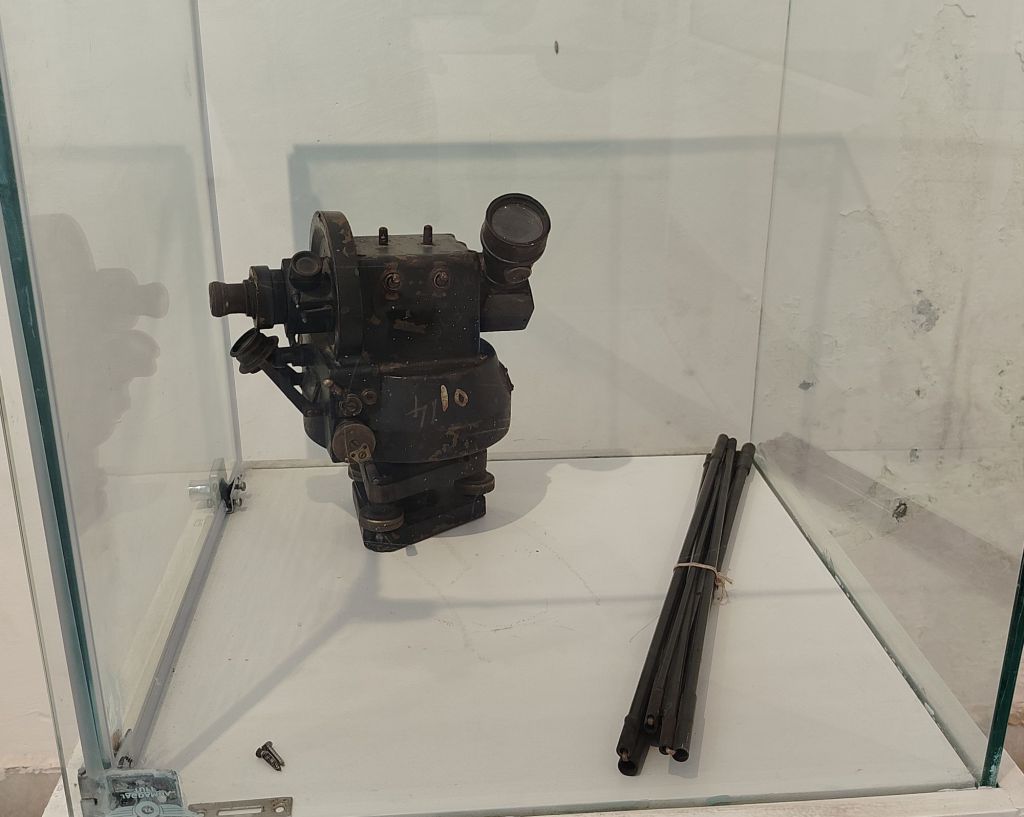
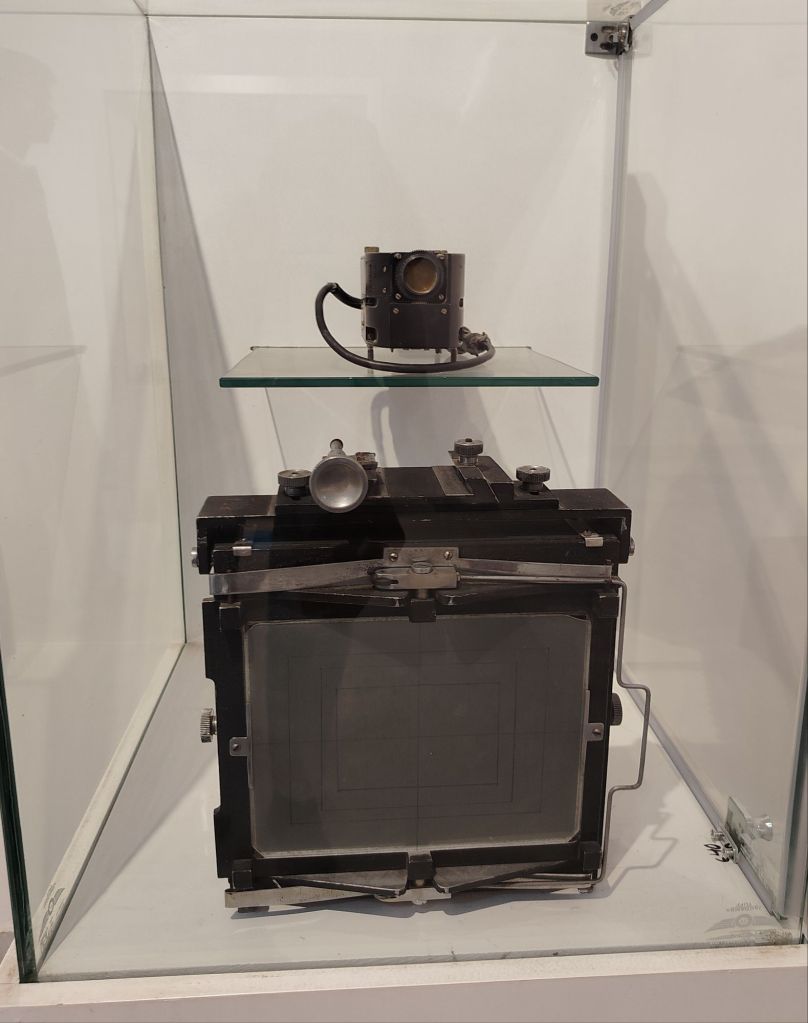
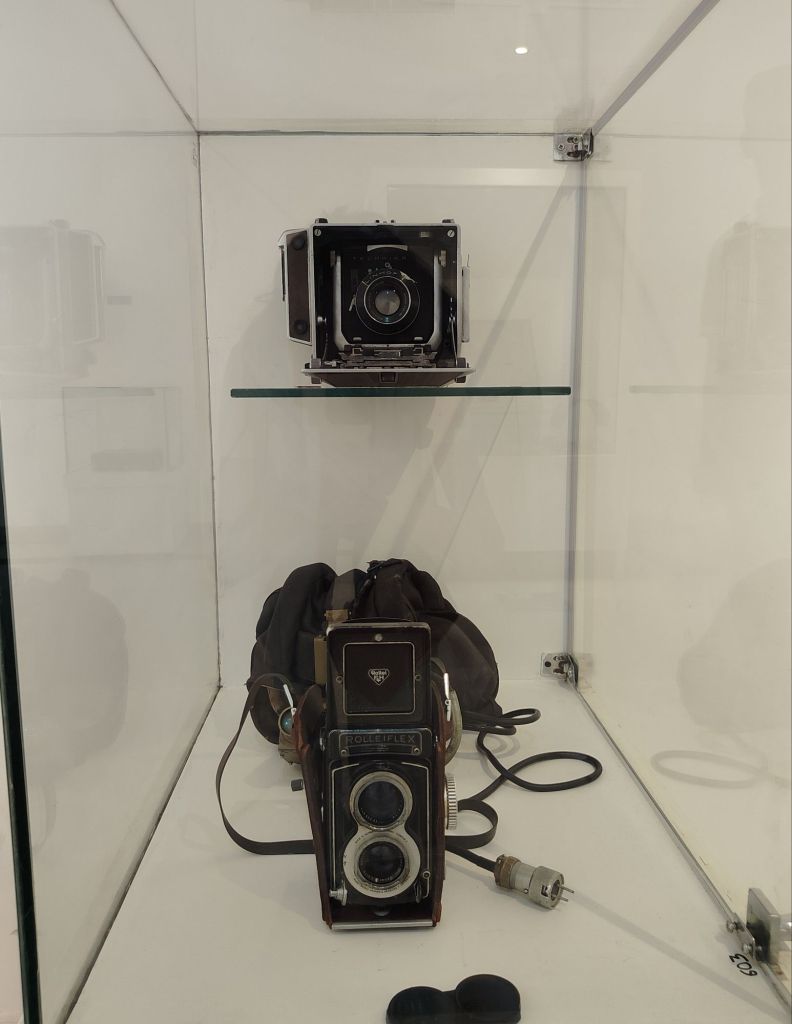
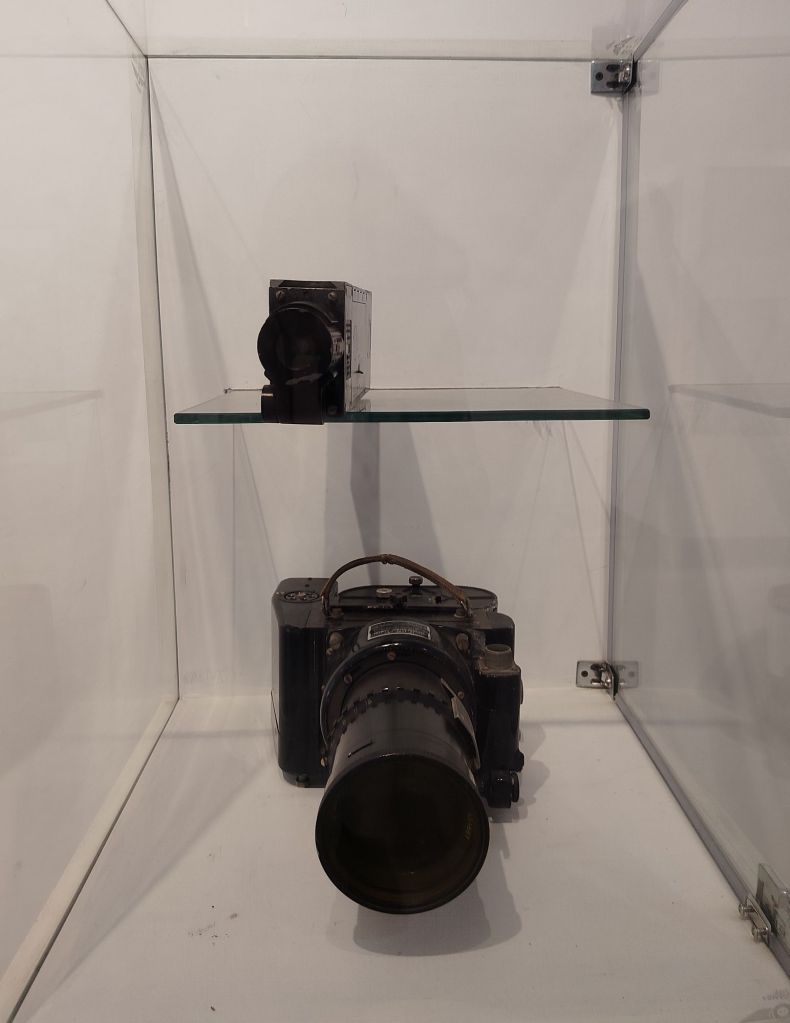
This section had old cameras and communication equipment. Gun cameras were used to record attacks, aerial cameras helped in observation, and communication devices ensured coordination during missions.
These machines may look outdated today but they played a huge role in their time. It made me understand that technology is always evolving but its importance remains constant.
Frozen Moments: Old Photographs & Memories
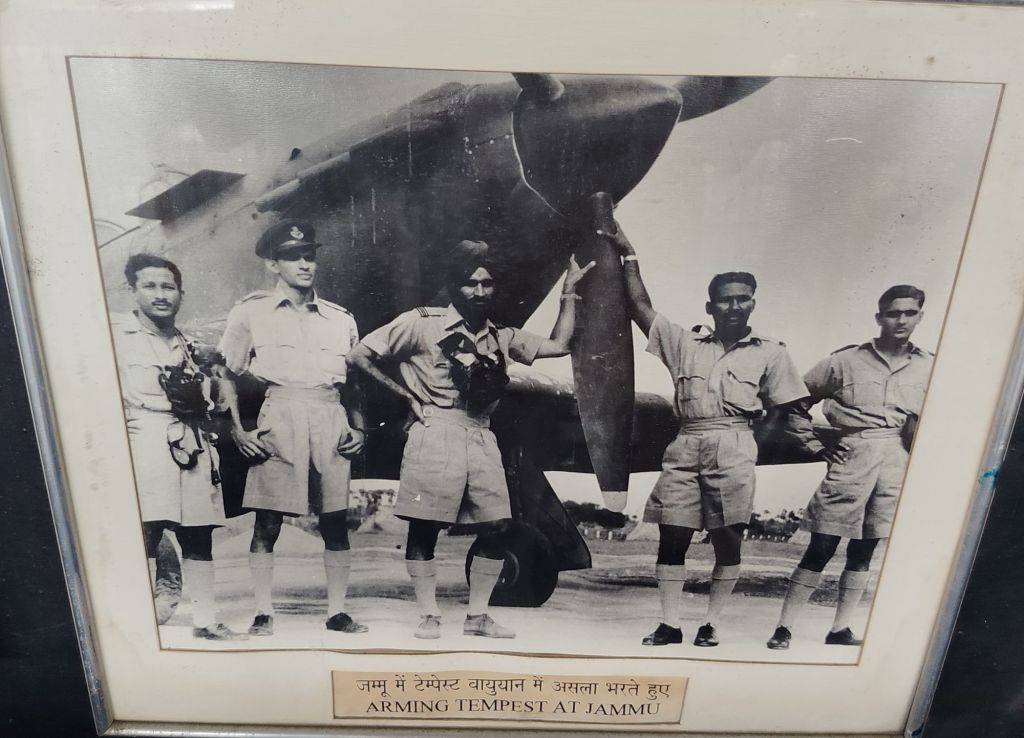
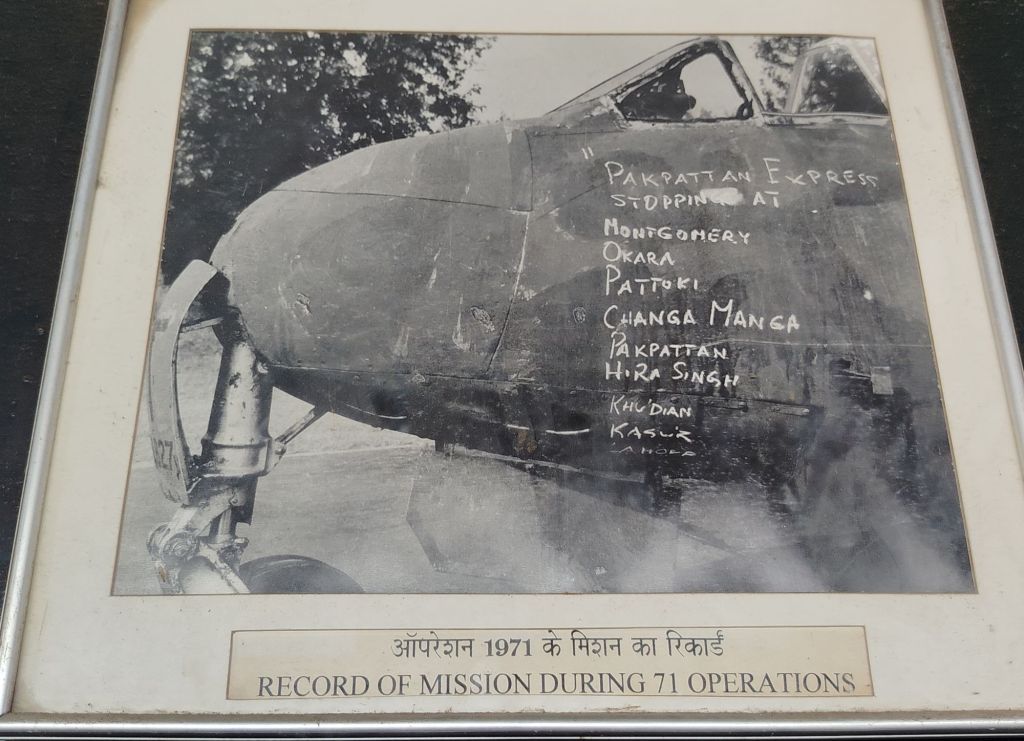
The photographs inside the museum felt like silent storytellers. One image showed the wreckage of a Pakistani aircraft destroyed during the war, making everything feel real and intense. Another captured the Duke of Gloucester with Indian Air Force officers, reflecting the early days of the Air Force.
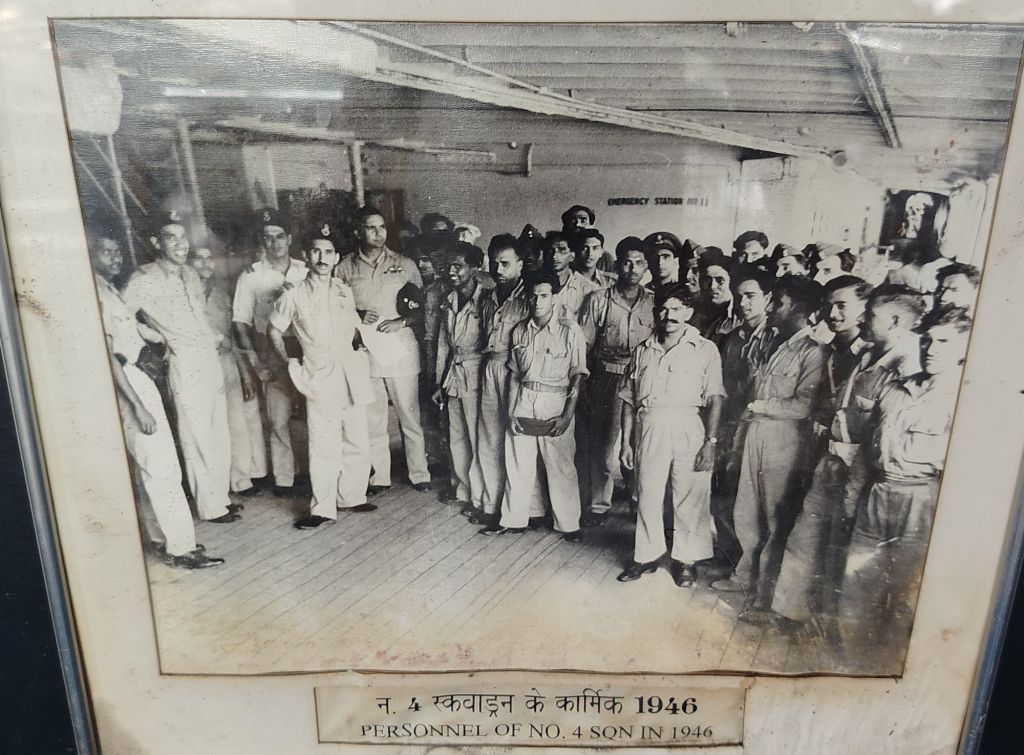
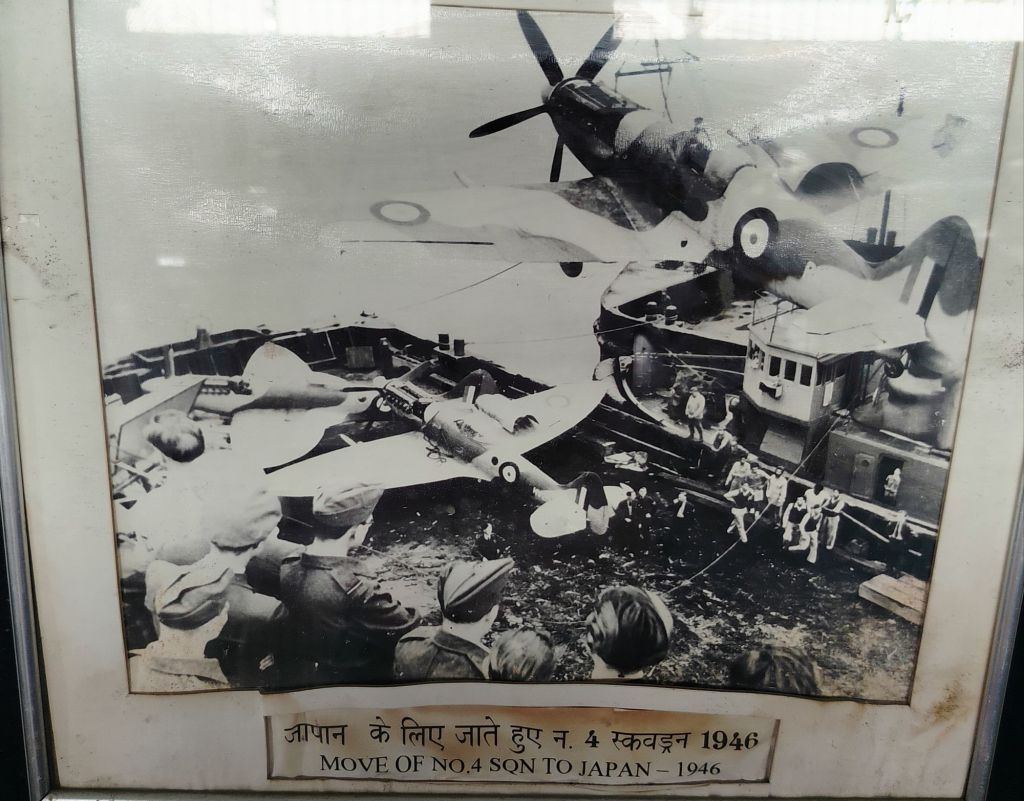
A group photo no. 4 of Squadron from 1946 showed the strong foundation of the force, while the picture of Air Marshal Arjan Singh with fighter pilots felt truly inspiring. There were also visuals of aircraft moving to Japan and a shot-down Japanese plane, showing the Air Force’s involvement beyond borders.
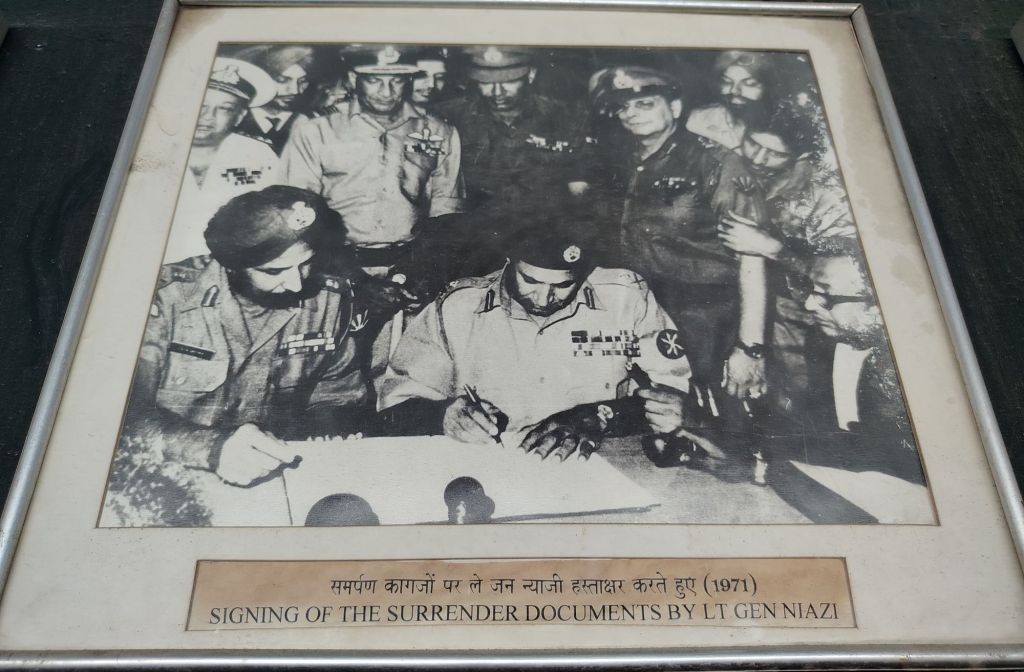
One powerful moment was the ceremony of presenting a captured Japanese gun in New Delhi. The most impactful image was of the 1971 surrender signing, which marked a historic victory and the end of a war.
Sealed in Time: Jubilee Capsules
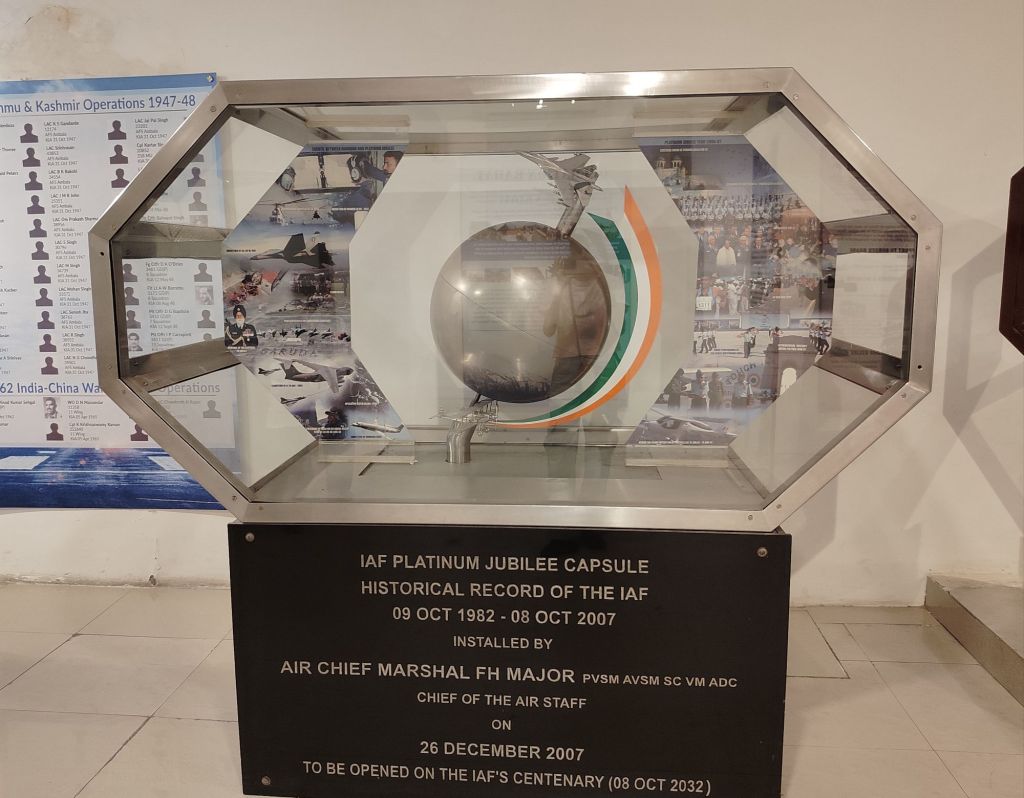
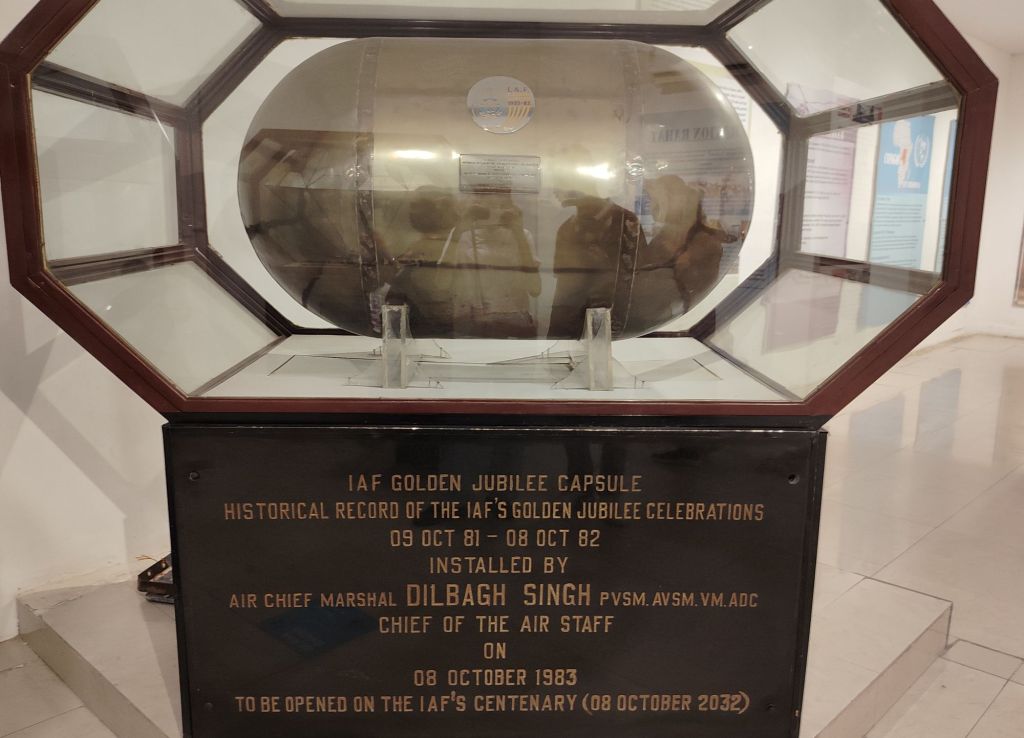
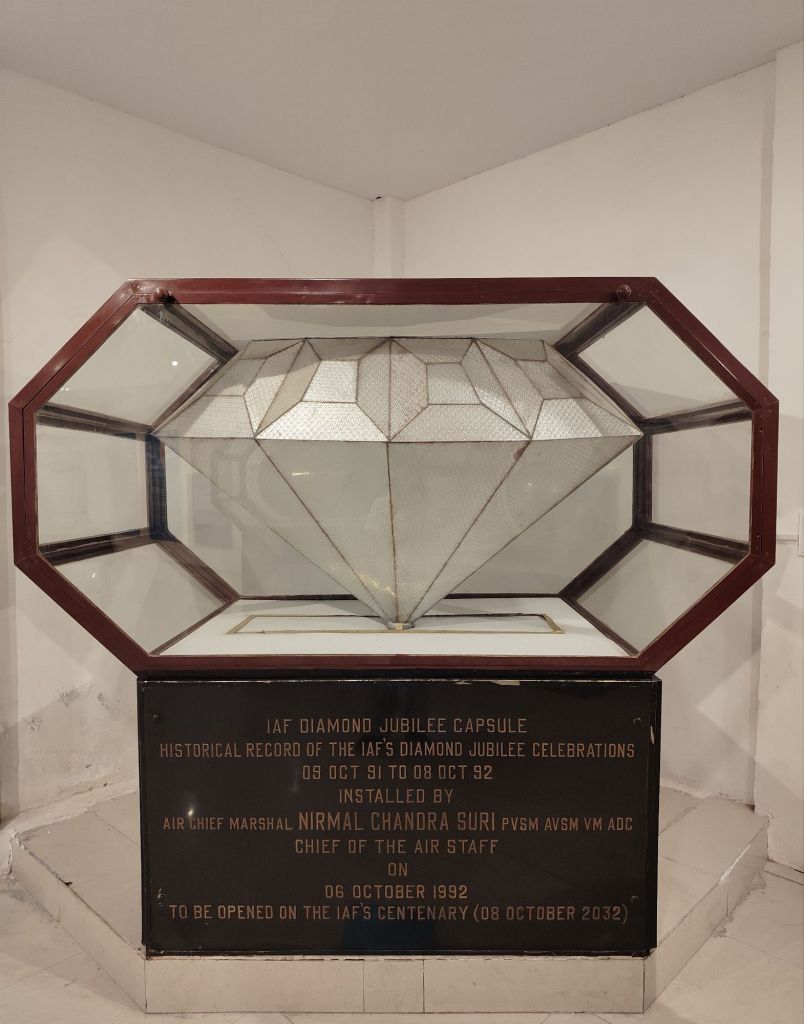
One of the most unique things I saw was the capsules. These were not ordinary items they were specially made Jubilee Capsules that store historical records of the Indian Air Force.
There were different capsules like:
- Golden Jubilee Capsule (1981–82)
- Diamond Jubilee Capsule (1992)
- Platinum Jubilee Capsule (1982–2007)
What made them even more interesting is that they are sealed and will only be opened during the IAF Centenary in 2032.
It felt amazing to think that history is literally preserved inside them, waiting for the future generation. These capsules are like time machines holding memories of celebrations, achievements and milestones.
More Than Just a Museum
By the end of my visit, I understood that this museum is not just about aircraft or machines. It is about courage, discipline, history, and growth.
Every section had a story, and every story taught something. For me, it was not just a visit, it was an experience that made me respect the Air Force even more.


Leave a Reply