
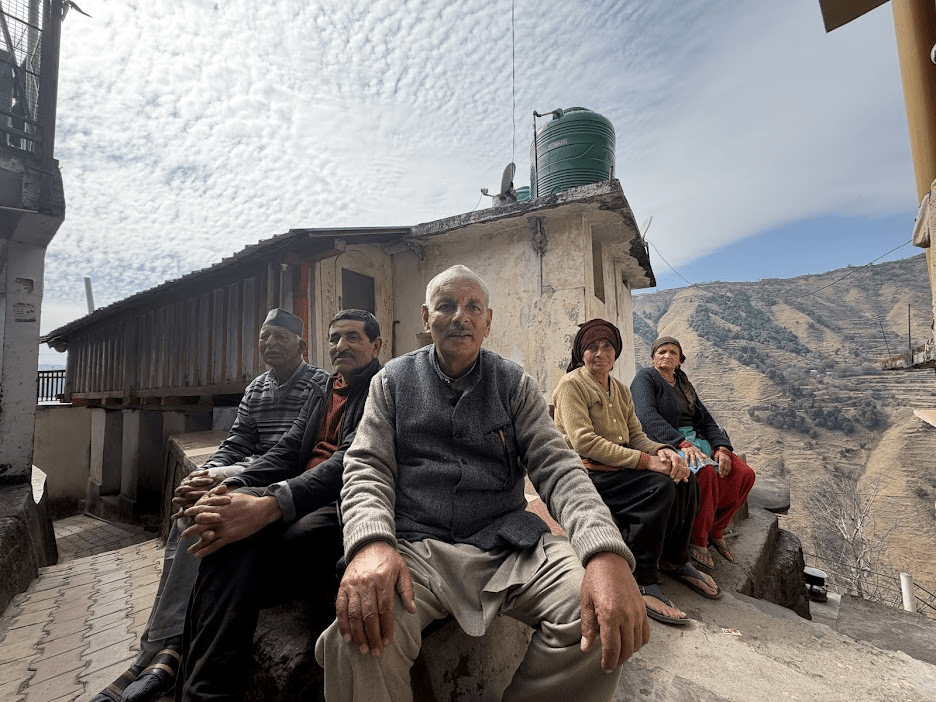
As I sit back in the familiar, frantic pulse of the city, the air feels heavy to me, and the profound silence of the mountains already feels like a fading dream. My journey to Jaunsar Bawar from February 11 to 15, 2026, was never just a field trip or a reporting assignment, it turned out to be a soul-reset. But as I look through my notes and the hauntingly beautiful frames captured in my camera, a bittersweet reality emerges behind the scenic beauty.
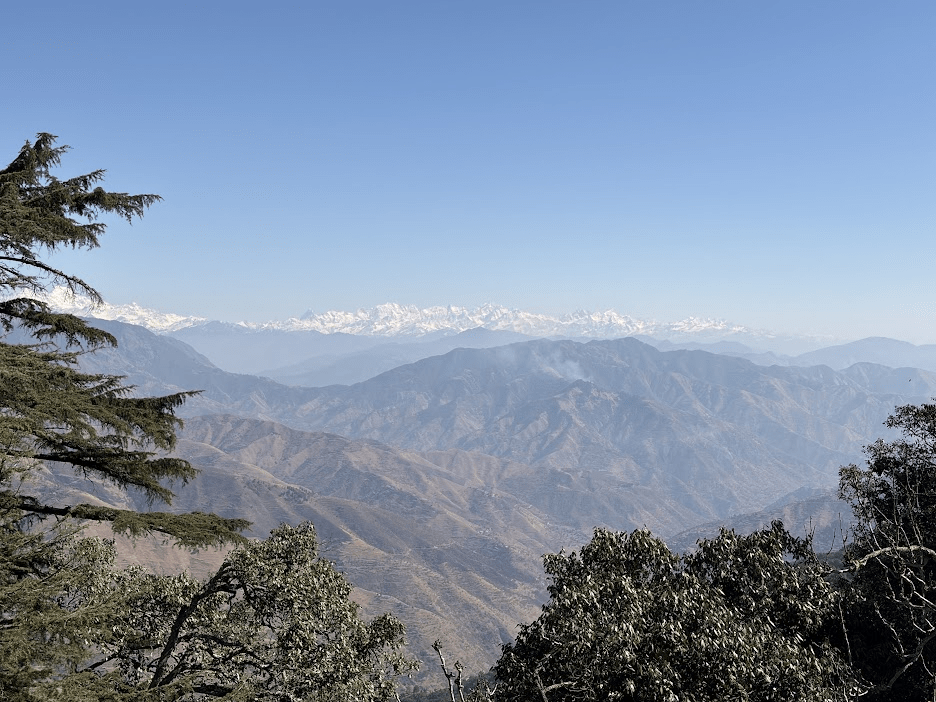
The mountains are majestic, yes – but they are also struggling. And the struggle is not just against the climate, but against a sense of being forgotten.
The Engine of Migration: A Ceiling on Dreams
In the narrow, deodar-scented lanes of Ashtaad, I found a community caught in a painful tug-of-war. The primary reason for the “Great Migration” isn’t a lack of love for the land – it’s a lack of a future.
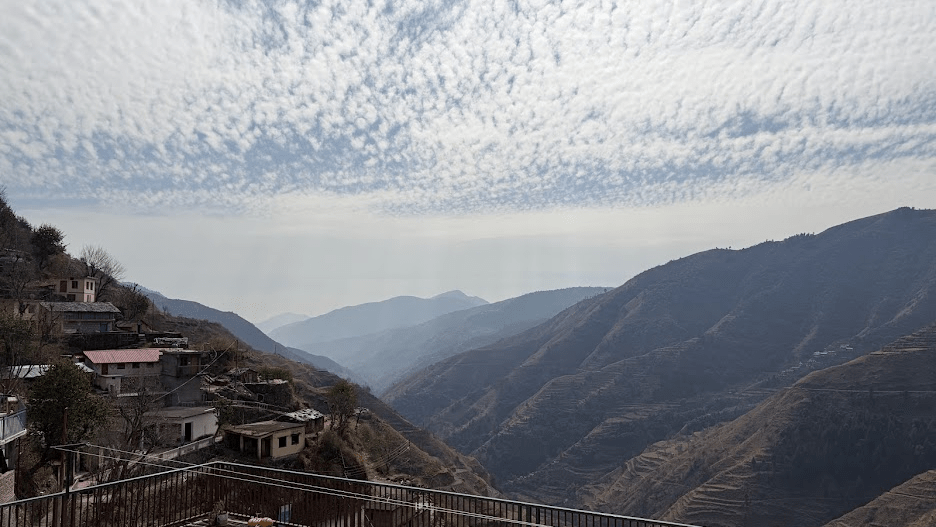
Ashtaad, a village with a history that predates modern empires, currently has only two schools. The highest level of education available within the village ends at the 10th standard. For a fifteen-year-old with dreams of becoming a scientist, a lawyer, or a digital architect, the mountains effectively become a wall.
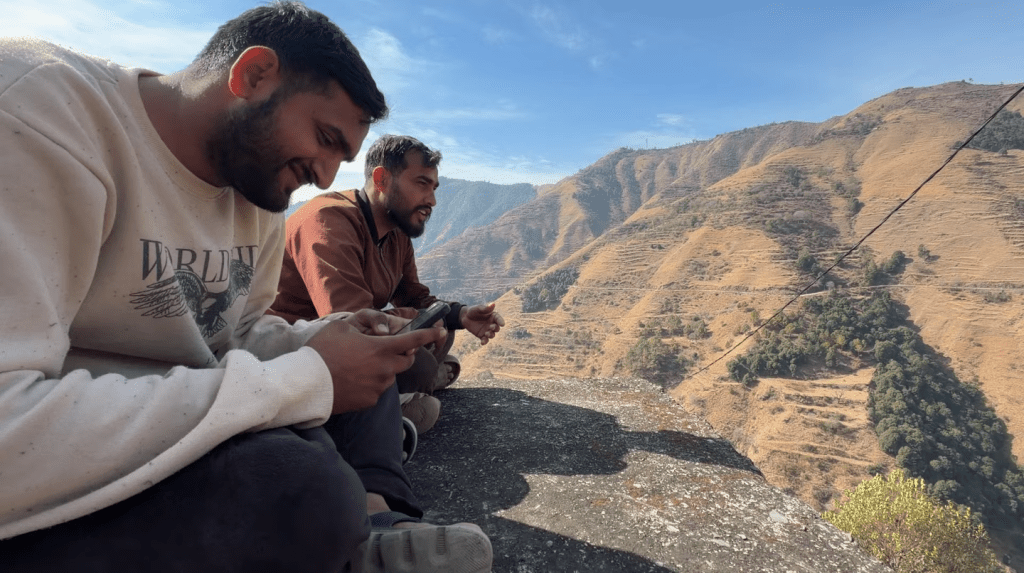
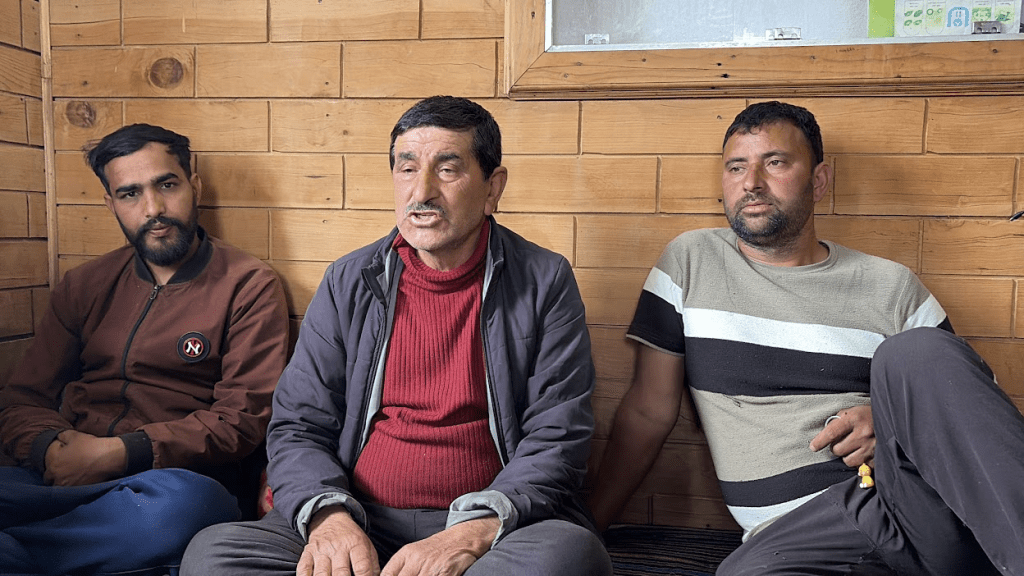
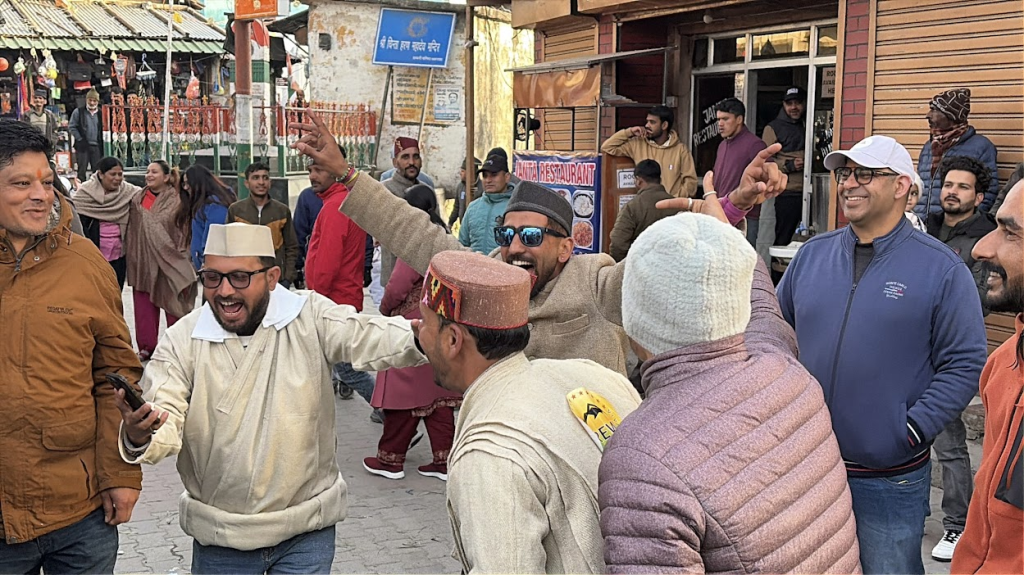
While the elders speak of their own lack of formal schooling with a quiet, unashamed dignity – their wisdom rooted in the soil, the seasons, and the divine – the younger generation feels a different pull. They head down to Vikasnagar and Dehradun in search of growth, modern amenities, and the “modern world.” They aren’t abandoning their roots; they are chasing the right to learn, a right that shouldn’t require leaving one’s home behind.
The “Invisible” Citizens of the Frontier
During my long nights by the Bukhari with Mama Ji and the other villagers, a recurring, heartbreaking theme surfaced: a sense of being “left behind.” Despite the rich cultural tapestry and the strategic importance of this defense-protected area, the people feel invisible to the state.
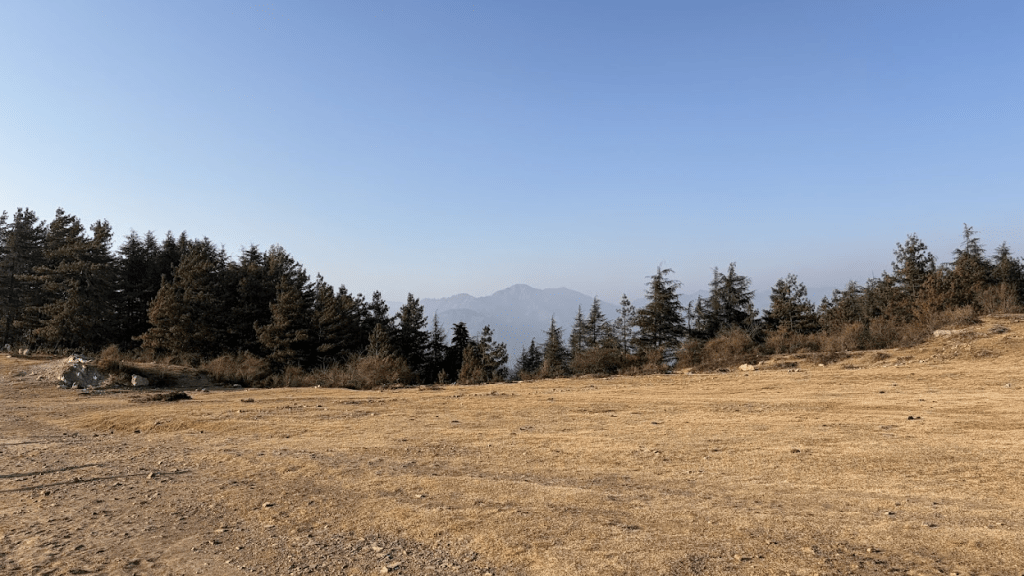
“We do not lack land,” one village elder told me, his eyes fixed on the sprawling, parched terraces. “We lack the infrastructure to make it live.” The grievance is sharp and justified. The people of Jaunsar Bawar are among the most hardworking and resourceful I have ever met, yet they are fighting a losing battle against systemic neglect and localized corruption.
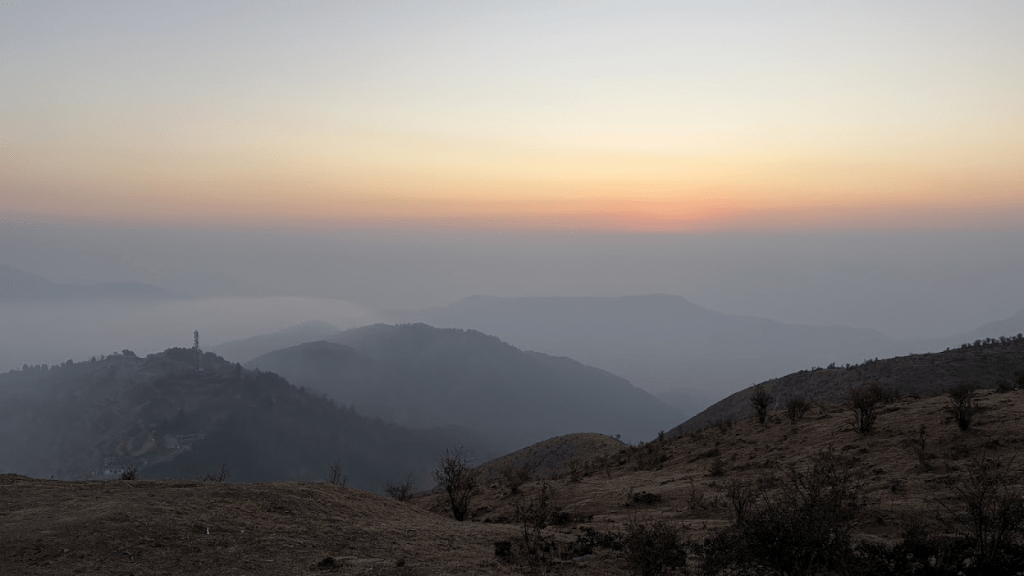
From the crumbling, landslide-prone roads that make the 4km stretch to Ashtaad a daily gamble, to the absolute absence of secondary healthcare and higher education, there is a growing feeling that the government has failed to protect its own. The villagers don’t want handouts but they want connectivity, transparency, and a fair share of the “New India” growth story. They have the heritage, they just need the support to keep it alive.
A Heartfelt Thank You to a New Family
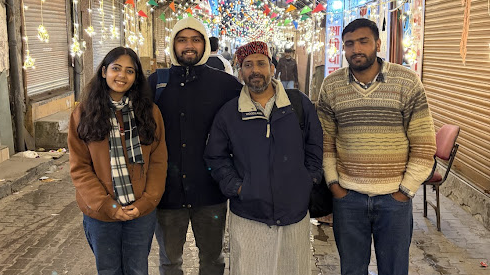
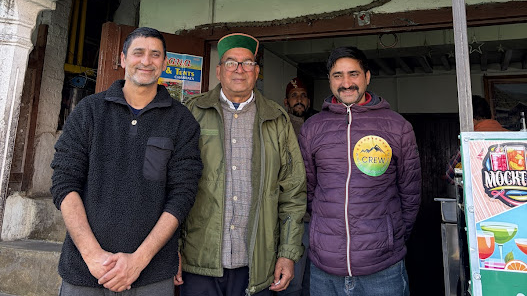
Despite these systemic struggles, the hospitality I experienced was a masterclass in humanity. My deepest, most sincere gratitude goes to Mr. Nitin Joshi. Without his guidance and guardianship, I would have been just another tourist peering through a window, and with his brother Aman, I was invited through the door. His “I am Jaunsari” exhibition at the Winter Carnival was the perfect mirror for a community that deserves to be seen, and his roots in Chatou and Ashtaad allowed me to see the region through the eyes of a son, not a stranger.
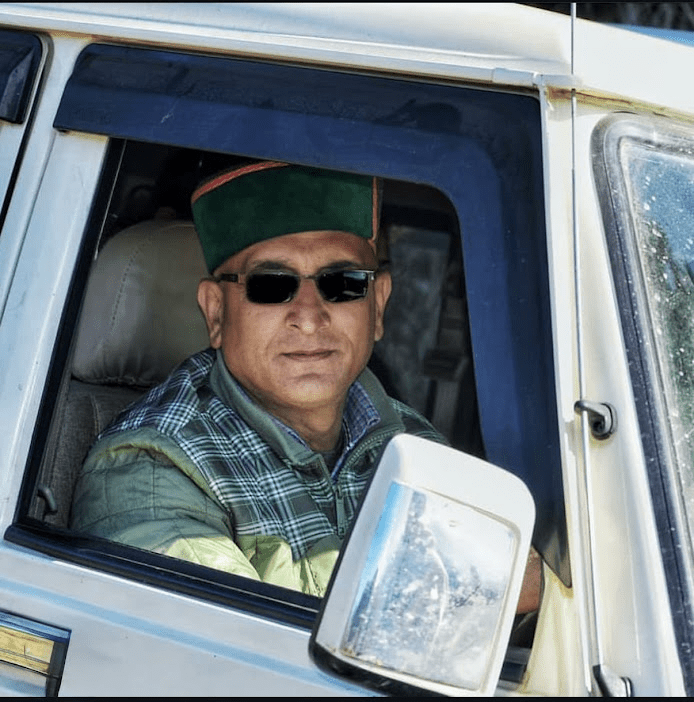
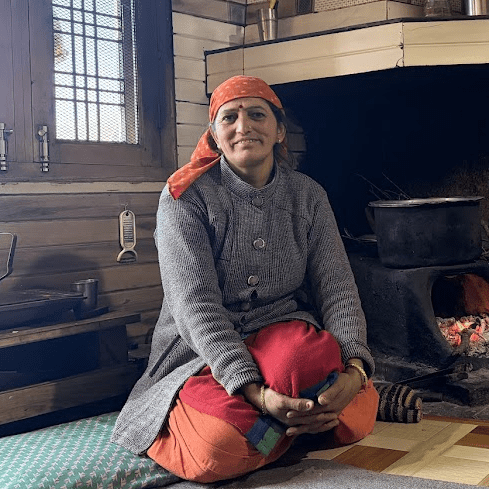
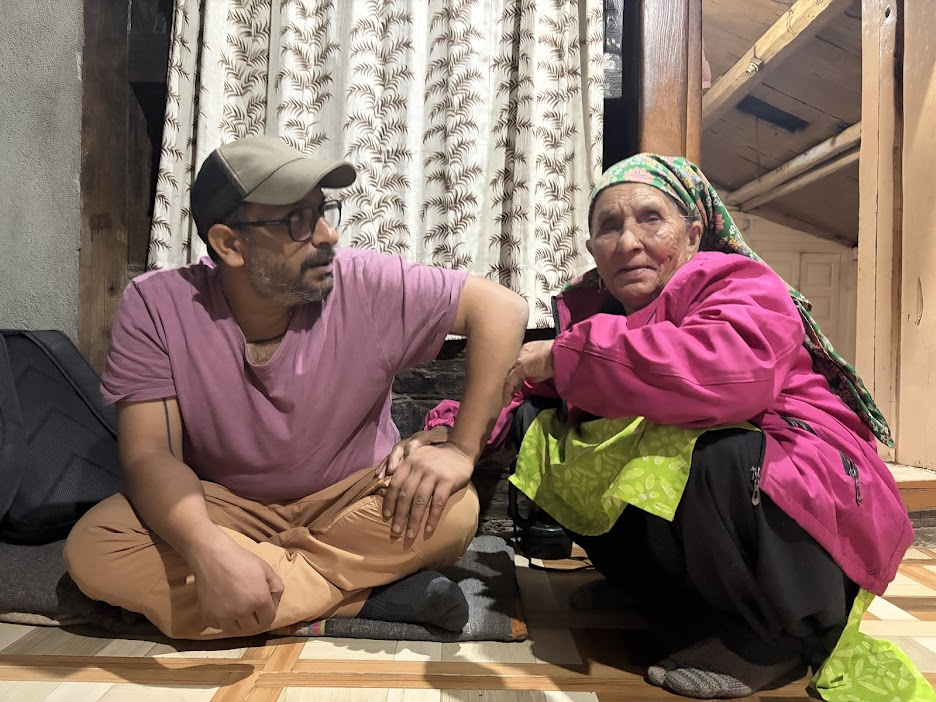
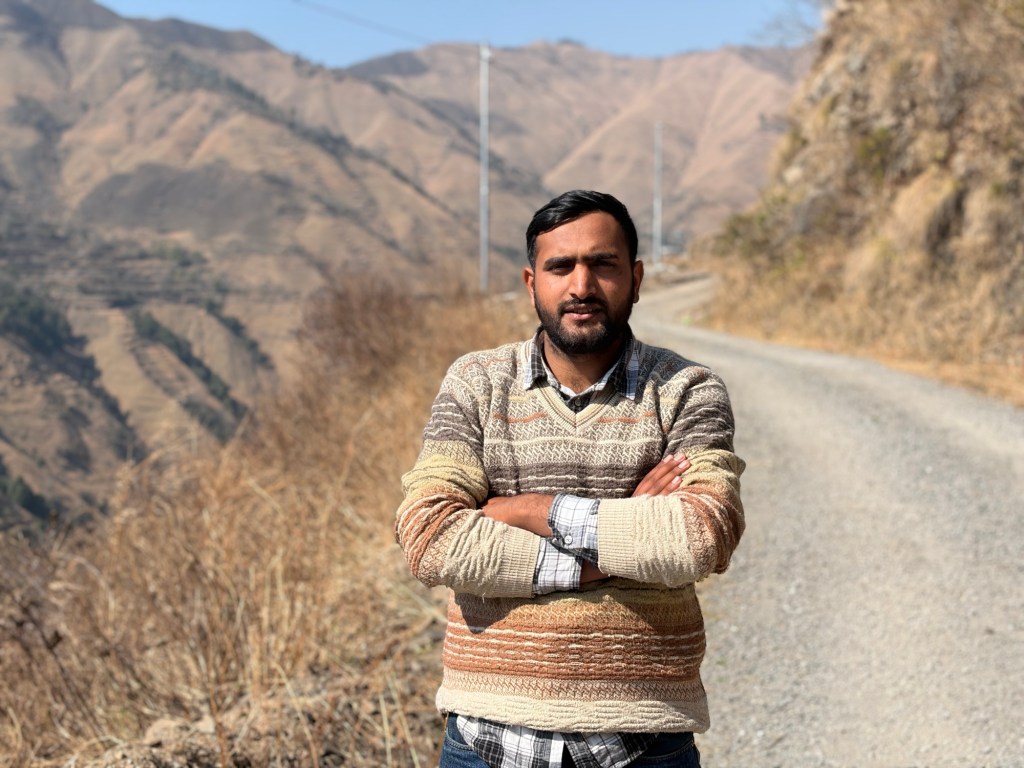
And to Mama Ji and his family in Ashtaad – thank you for making your home my sanctuary. For the Tel Roti that tasted of celebration, the warmth of the wood-fire, and for treating a city student as if I were a family member returning from a long journey. You taught me that true wealth isn’t measured by the height of a building, but by the depth of a welcome. I didn’t just find a story in your village; I found a family.
The Hope That Remains
I leave Jaunsar Bawar with a heart full of memories and a mind sharpened by questions. I will never forget the “Triple-Stove” kitchens where ancient wood-fire meets modern induction, or the “Divine Justice” of Mahasu Devta that keeps a community honest when the world outside feels chaotic.
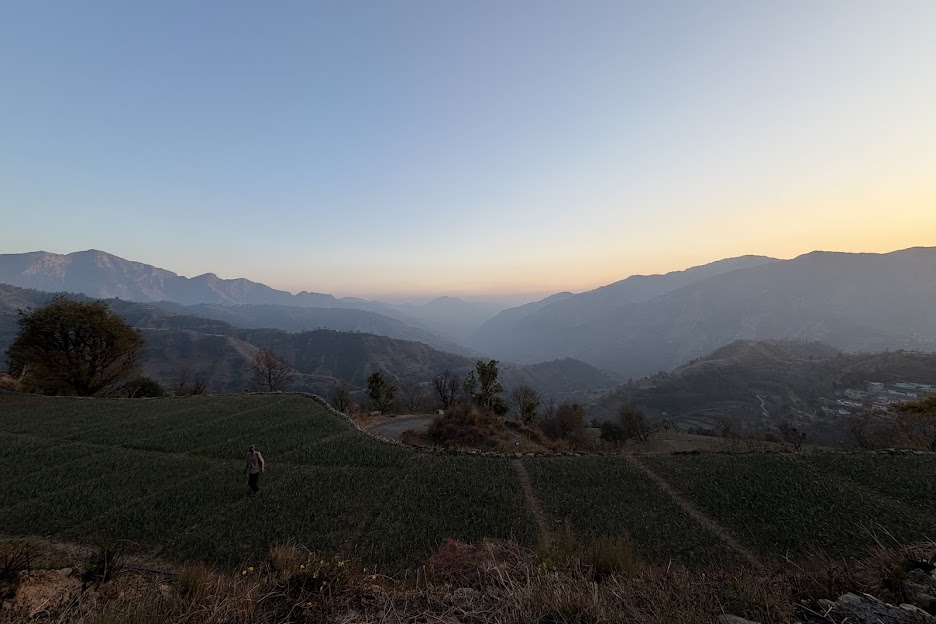
There is a fierce hope here. It is in the women’s corporations selling Pahadi Loon, in the preservation of the Epic DNA, and in the resilience of people who have survived for years. But for this hope to flourish, the “Invisibility” must end. The authorities must see the brown peaks and the parched fields of 2026 as a national priority.
This was one of the most heartwarming and eye-opening journey of my life. I went to the mountains to report on a winter carnival hosted by the local tourism and hospitality sector in Chakrata, but I came back with a new purpose: to ensure that the voices of Ashtaad, and the entire Jaunsar Bawar region are never silent again.
The mountains are calling – and this time, we should be listening with our whole heart.


Leave a Reply