
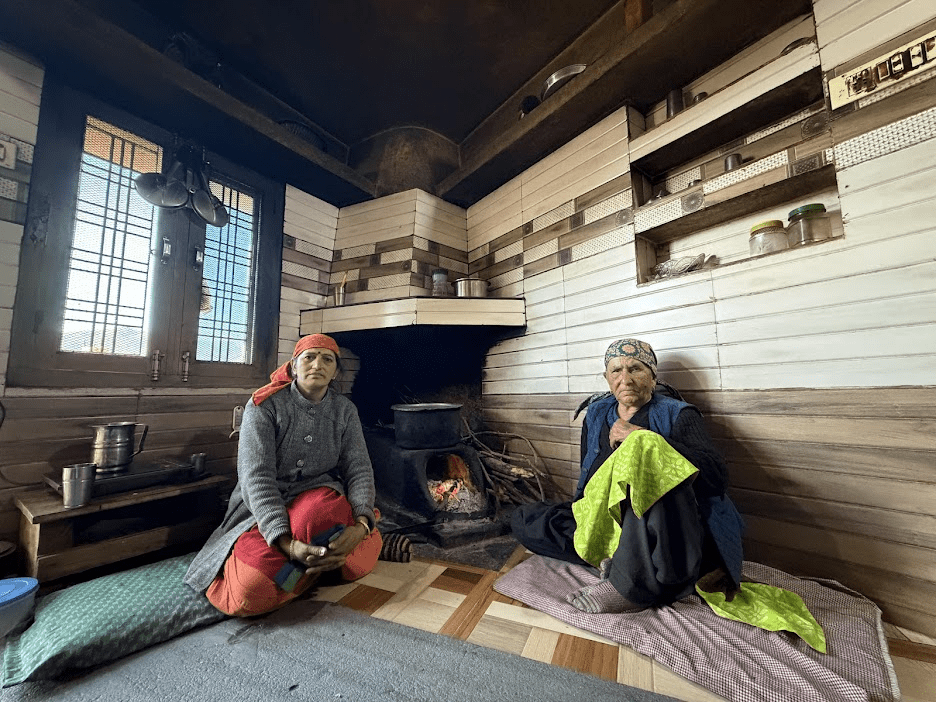
In the high-altitude winters of the Bawar region, the kitchen isn’t just for cooking – it’s a living museum of human adaptation. While the world debates “tradition vs. progress,” the families of Ashtaad have quietly settled the argument by simply using everything at their disposal.
As I sat on wooden floor in Mama Ji’s kitchen, I witnessed a scene that perfectly captured the “New Jaunsar.” It was a “Triple-Stove” symphony that I will never forget.
The Three Fires of Ashtaad
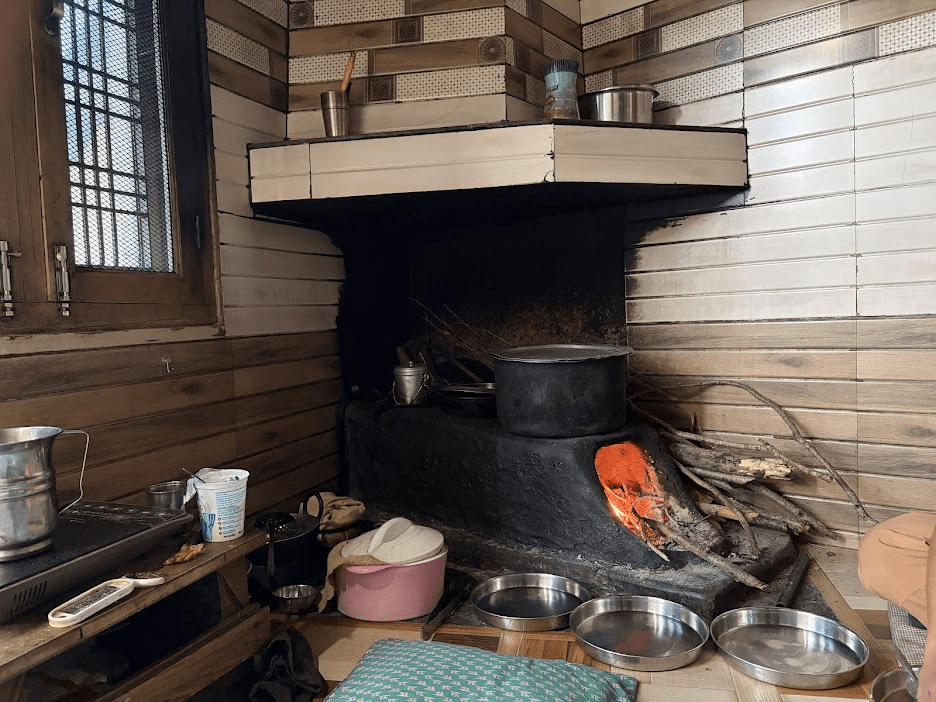
Looking across the room, I saw three generations of technology working in a seamless, rhythmic dance.
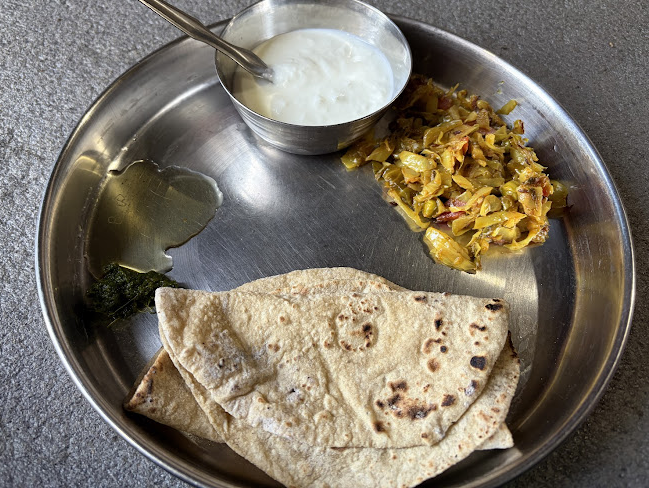
- The Ancestral Flame: On the traditional wood-fired chullah, the smoke-kissed Mandua (millet) rotis were being puffed to perfection. The wood fire gives the food its “Pahari soul” – a deep, smoky flavor that no modern appliance can replicate.
- The Blue Flame: Right next to it, an LPG gas stove hissed. This is the modern workhorse, used for the quick tasks – brewing the endless rounds of sweet milk tea that keep the mountain chill at bay.
- The Invisible Flame: In the corner, a sleek electric induction stove hummed, heating water for drinking and warming up the day’s lentils with a simple click.
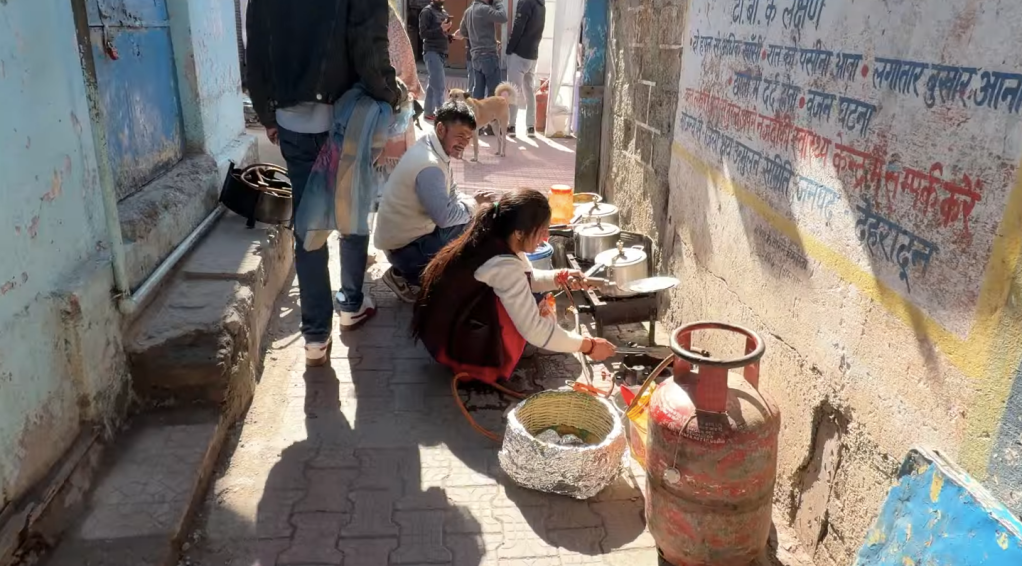
This is the reality of Ashtaad in 2026: a beautiful, pragmatic blend. The wood fire honors the past, the gas gives the family time, and the induction stove signals a village that is plugged into the national grid. It’s a transition that isn’t about replacing the old, but empowering it.
The Tradition of Dried Meat: A Winter’s Lifeblood
Because the snow used to cut off these villages for weeks, the ancestors of Ashtaad perfected the art of natural preservation. Even today, strips of meat hang from the dark deodar rafters above the wood-fire chullah.
The constant, aromatic smoke from the slow-burning wood acts as a natural preservative, slowly dehydrating the meat over months. Nitin Sir explained that this Dried Meat is the ultimate emergency fuel as well local delicacy. When the fresh vegetables are gone and the trails are blocked, a small piece of this smoked delicacy, slow-cooked with wild ginger, turmeric and garlic into a warm and simple soup like curry, provides the intense protein and warmth needed to survive a Himalayan blizzard. It is rugged, smoky, and tastes of the forest itself.
Tel Roti: The Royal Welcome
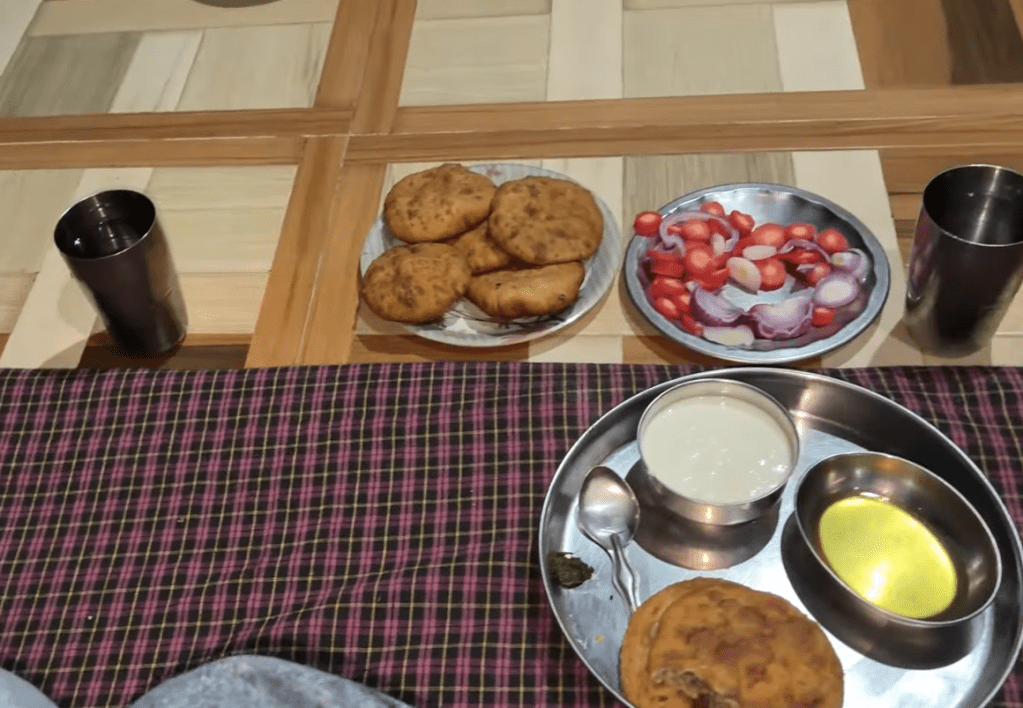
If Dried Meat is the food of survival, Tel Roti is the food of pure celebration. In Jaunsar Bawar, you are not just a guest you are a blessing. And there is no better way to honor a blessing than by serving Tel Roti.
Watching the women of the house prepare this was like watching a ritual. Tel Roti is a large, deep-fried flatbread, but “bread” is too simple a word. The dough is stuffed with a rich, savory-sweet paste of Urad Dal (lentils), hand-ground on the Sil-Batta until it’s as smooth as silk.
But what makes it truly “royal” is the addition of crushed local dry fruits – walnuts and almonds gathered from the trees we had passed on our way to the village. Once stuffed, it is fried in pure ghee until it puffs up into a golden, crispy disc. It is served hot, usually with a side of local honey, ghee and pisyu loon (coriander salt chutney). It is a silent statement: “We honor you with our best.”
The Cooperative Spirit: From Hearth to Market
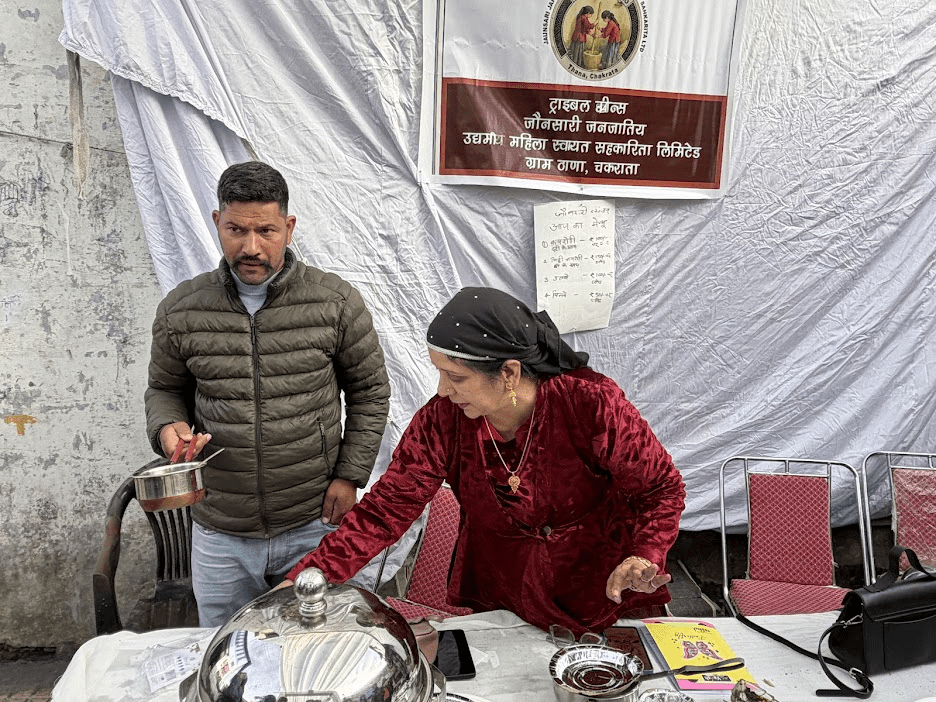
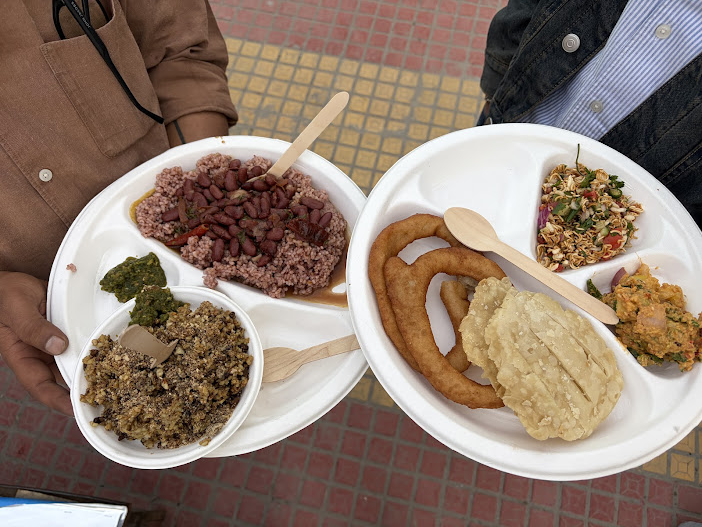
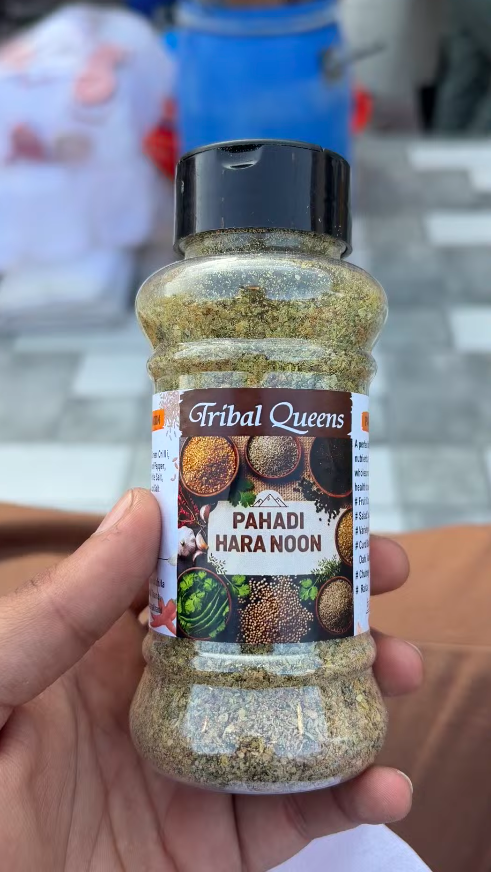
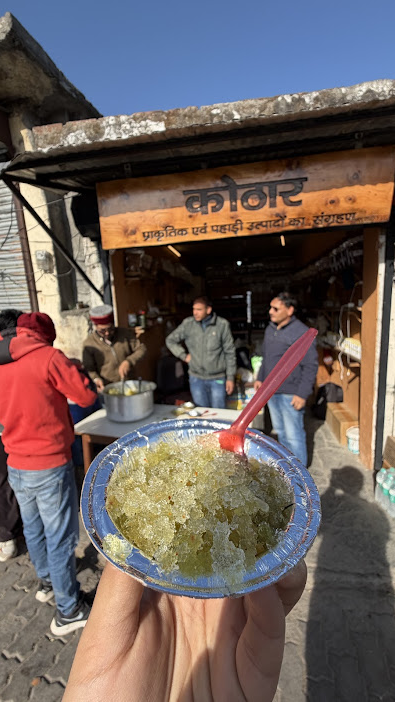
The women of Jaunsar-Bawar are no longer just keeping these recipes within their wooden walls. Through Village Cooperatives and Self-Help Groups, they are now packaging Pahadi Loon (flavored salts) and traditional snacks for the wider market.
By balancing the heavy labor of the wood-fired kitchen with the efficiency of modern appliances, they have found the sense of growth felt throughout the trip. They are using their traditional knowledge to build a modern economy. They aren’t just feeding their families; they are building a brand.
Nitin Sir reminded us that in Jaunsar, you never count the cost of a meal served to a traveler. Whether it’s a simple piece of dried meat or an elaborate Tel Roti, the food is an extension of the Mahasu Devta’s grace. As I broke a piece of warm, nut-stuffed roti while the mountain wind howled outside, I realized that these flavors – and this spirit of growth – are the real reasons people never truly leave Jaunsar.
You might go back to the city, but your palate stays forever in the smoke-filled, high-tech, high-heart kitchens of Ashtaad.


Leave a Reply