
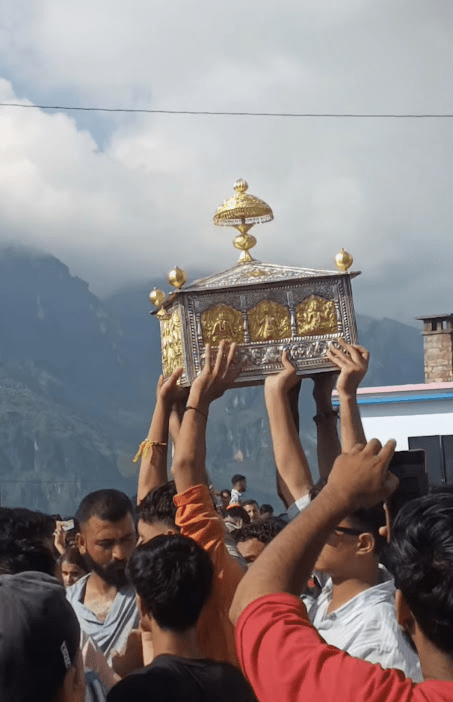
In the modern world, justice is often a matter of paperwork, lawyers, and years of waiting. But in the shadows of the deodar forests of Jaunsar Bawar, justice is swift, spiritual, and deeply rooted in the elements. During my three days in Ashtaad, I realized that the true glue holding this society together isn’t the local police station – it’s a profound, unwavering trust in the “Divine Justice” of Mahasu Devta.
The True Power: Who is Mahasu Devta?
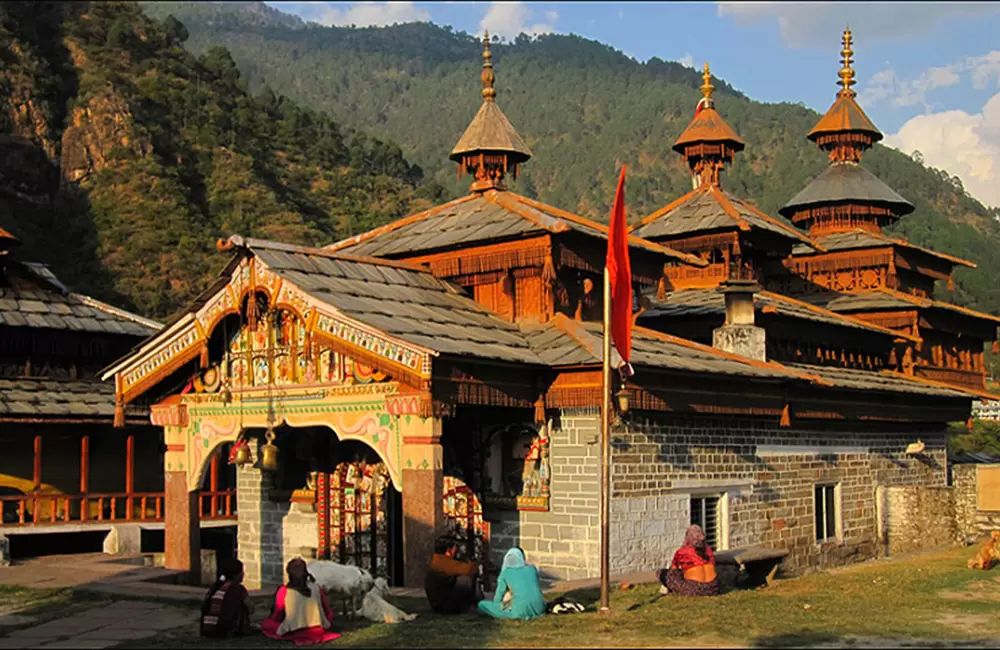
To a Jaunsari, Mahasu Devta is not just a deity; he is the Emperor. The region is divided into four clans, each following one of the four forms of Mahasu: Botha, Pavasi, Vasik, and Chalda.
When I spoke with Mama Ji and the village elders, they spoke of the Devta with a reverence that borders on awe. In Jaunsar, if you swear an oath in the name of Mahasu, you are bound by it for life. Perjury here doesn’t lead to a fine, it leads to Divine Wrath, which the villagers believe can affect the whole family and their generations. This fear, subconscious conditioning – and the accompanying deep love – is what keeps the crime rate in these villages nearly at zero.
The Elements of Truth: Justice by Water and Rice
One of the most fascinating (and lesser-known) aspects of the Jaunsari legal system is how they used to settle disputes using the “Ordeals of Truth.” When the village Panchayat (the council of elders) cannot reach a verdict, or when one party claims innocence against a serious accusation, they turn to the elements:
- The Trial by Water: In some cases, the accused is asked to pick a coin from a vessel of water or oil. The belief is that if the person is innocent, Mahasu Devta will protect their flesh.
- The Ritual of Rice: In other disputes, grains of “consecrated rice” from the temple are used. The parties involved must eat the rice while swearing their innocence. To a non-believer, this sounds symbolic, but to a native, the psychological and spiritual weight is so heavy that many confess their guilt the moment the rice touches their lips, fearing the divine consequences of a lie.
It is a system built on Absolute Truth. There is no “plea bargaining” here. You are either truthful before the Devta, or you face the “Dosh” (divine debt).
Maitryi: Spiritual Possession and the Drum’s Trance
Maitryi refers to the traditional belief in female spirit possession among the villagers of Jaunsar Bawar. This spiritual phenomenon is deeply embedded in the local culture, where certain women are believed to act as vessels for divine or ancestral spirits during specific rituals and festivals. This practice is seen as a bridge between the physical and spiritual worlds, reinforcing the village’s connection to its ancient roots.
As far as I recognized, Maitryi can also be seen as a release of psychological tension among certain women, taking them into a spiritual trance triggered by the specific sound of the dhol during village processions. In my personal opinion, this is something that cannot be denied or scientifically justified; it must simply be appreciated and respected along with the rest of their traditions.
The Panchayat: The Human Bridge
The Village Panchayat in Jaunsar Bawar acts as the bridge between the human and the divine. They are the first line of defense in any conflict – be it land boundaries, family inheritance, or social conduct. Their strength lies in their deep knowledge of Rivaaj (customary law).
What makes this system unique is its efficiency. A dispute that would take ten years in a district court is often settled in a single afternoon under the shade of a village tree or in the temple courtyard. The goal isn’t “punishment” in the Western sense; it is Restoration. The aim is to ensure the village remains a single, cohesive unit.
Why It Matters Today
As the world modernizes and the youth move to cities, there is a fear that these traditions might fade. But standing in Ashtaad, watching a young man bow his head in silent prayer before the village shrine, I realized that the “Divine Law” is resilient.
In an era of deepfakes and digital deception (which I discussed in one of my previous editorial on the IT Rules 2026), there is something incredibly grounding about a society where your word is your bond, and where “Justice” is as clear and cold as the mountain water.


Leave a Reply