
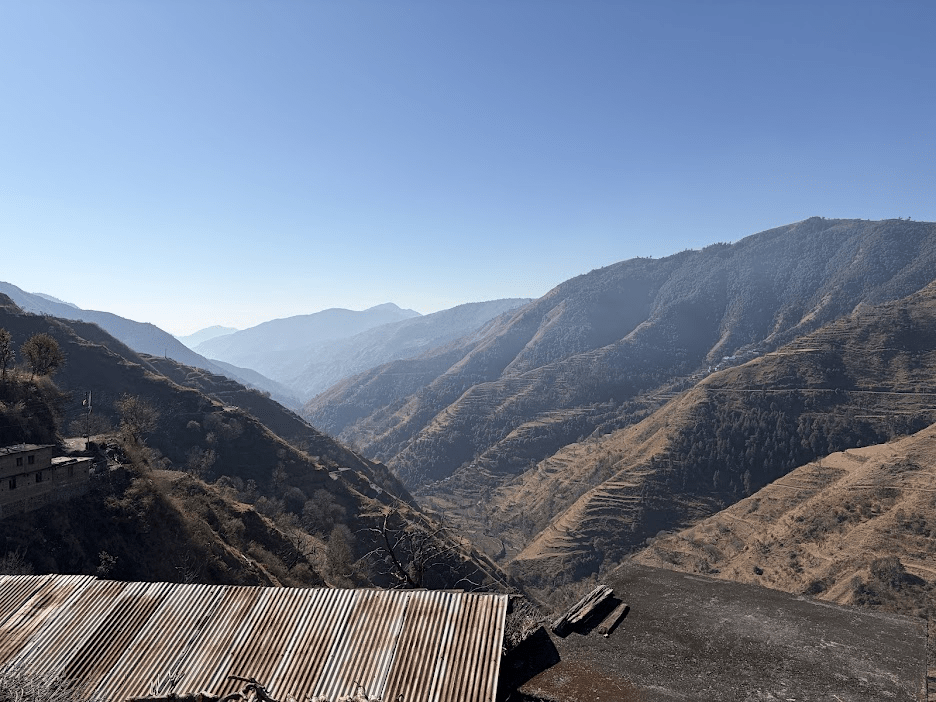
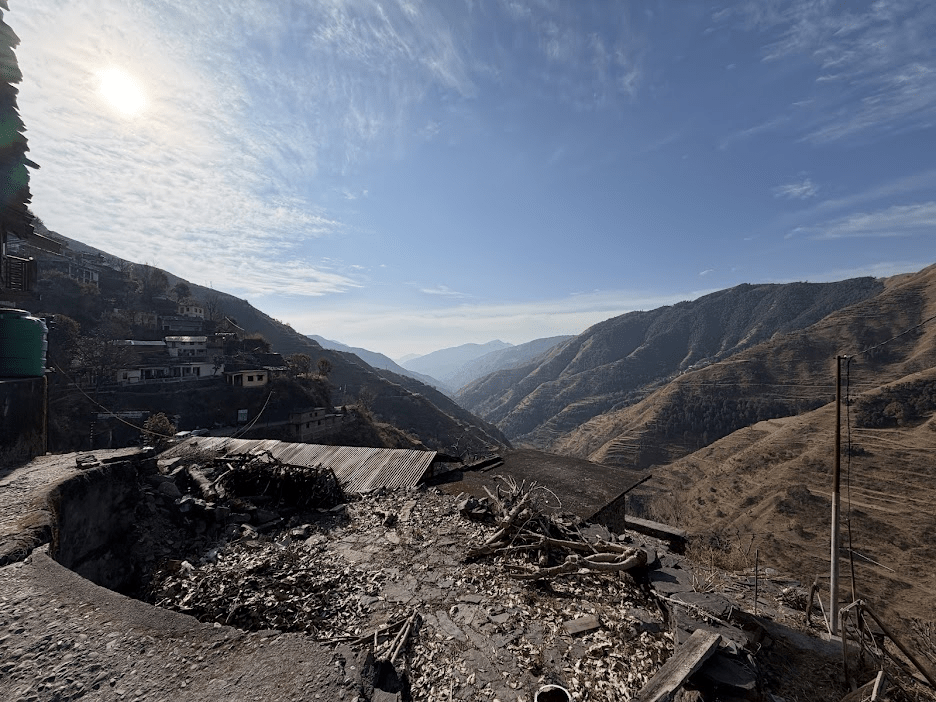
If you look at the peaks of Jaunsar Bawar today, they are a bruised, dusty brown. In a “normal” year, this landscape should be a blinding, pristine white. But as I stood in the fields of Ashtaad and Chakrata between February 11 and 15, 2026, the silence wasn’t just the peaceful quiet of the mountains – it was also the eerie silence of a brewing catastrophe.
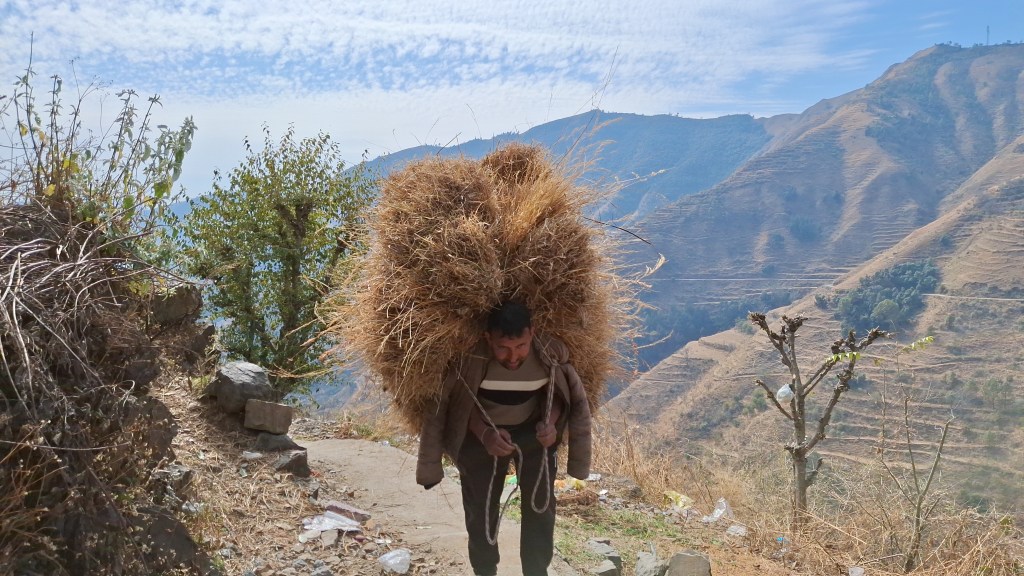
This isn’t just a “bad winter.” This is a Drought in the mountains, and if the authorities don’t wake up now, the summer of 2026 will be remembered for a water crisis that could trigger a mass exodus from these ancestral lands.
The Evidence: January’s Dusting vs. The Great Deficit
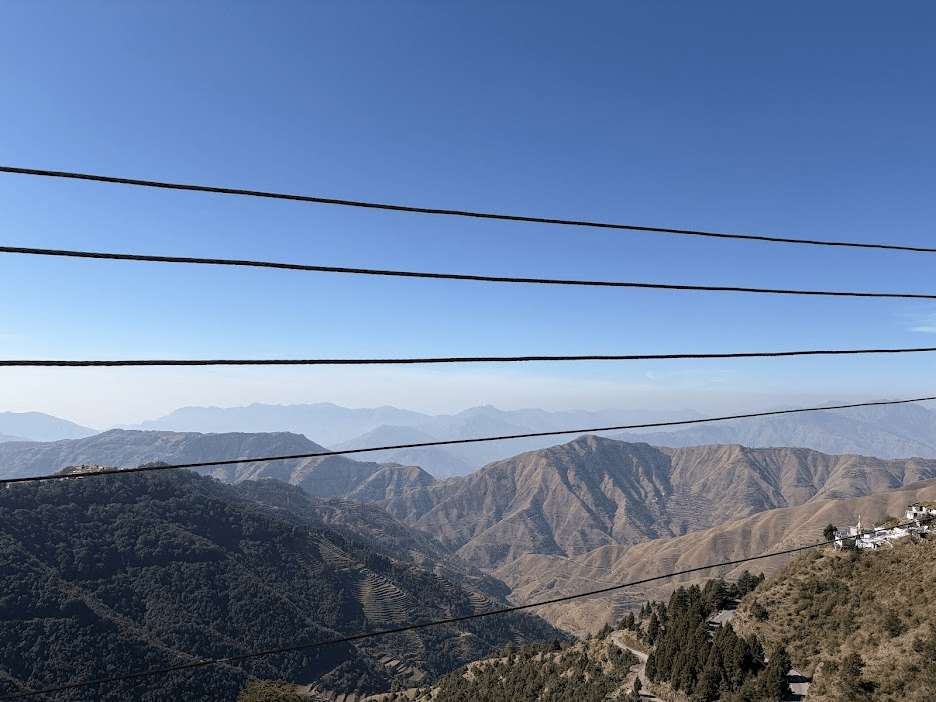
During my stay with Mama Ji and the villagers, every conversation eventually turned to the sky. The India Meteorological Department (IMD) data for the winter of 2025–26 confirms the villagers’ worst fears: a staggering snowfall deficit across the Western Himalayas.
While there was a brief spell of snow in January 2026, the locals dismissed it as “cosmetic.” It was a mere dusting that evaporated within forty-eight hours. Historically, Jaunsar Bawar relies on deep, packed snow from December to February. This snow acts as a “natural battery” – melting slowly to recharge the underground aquifers and sustain the perennial springs, or gadheras, that provide most of drinking and irrigation water for these villages.
Voices from the Ground: The Springs are Choking
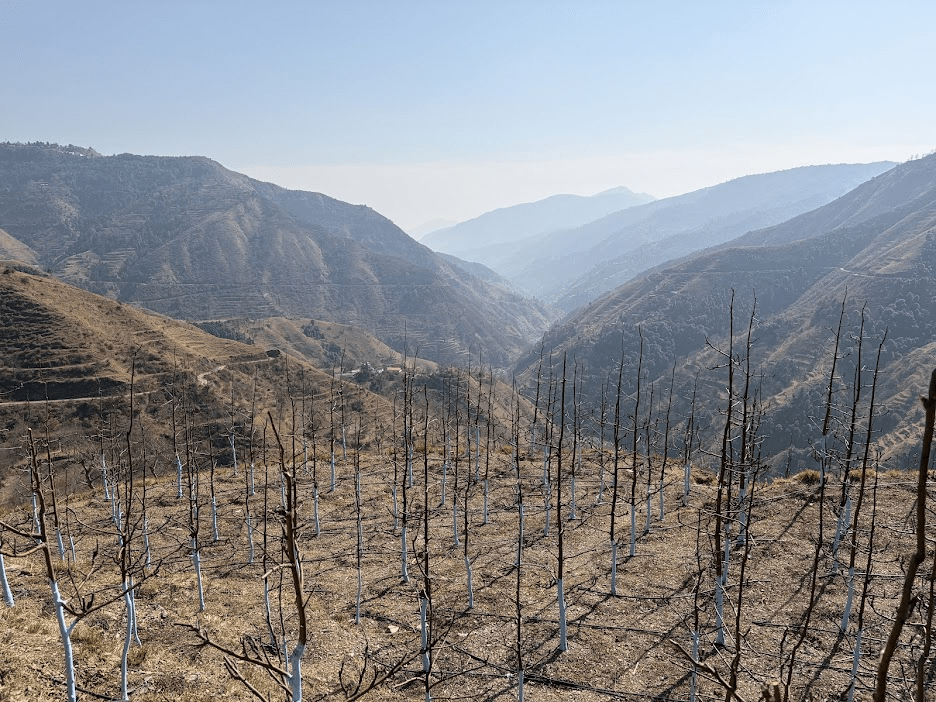
Walking through the apple orchards of Ashtaad with the local farmers, the desperation was palpable. Apple and walnut trees require specific “chilling hours” to bloom. Without the snow, the trees are confused, and the soil moisture has hit a decade-low.
“The earth feels like ash,” one elder told me, crumbling a handful of dry soil between his fingers. “If the snow doesn’t stay on the ridges, the water doesn’t stay in the wells. By May, we will be fighting for buckets.” The youth, already struggling with employment, see this as the final blow. If the cash crops of ginger and apple fail for a second consecutive year, the economic backbone of Jaunsar Bawar will snap.
The Policy Gap: Why “Tanker Culture” Isn’t the Answer
Currently, the government response to water scarcity in the hills is reactive – sending water tankers when the taps run dry. But in a terrain as rugged as the path to Ashtaad, tankers are a band-aid on a bullet wound.
What the Uttarakhand Government and the Ministry of Jal Shakti need to realize is that Jaunsar Bawar is facing a systemic hydrological shift. We need:
- Spring Rejuvenation (Dhara Vikas): Urgent scientific mapping and revival of dying mountain springs.
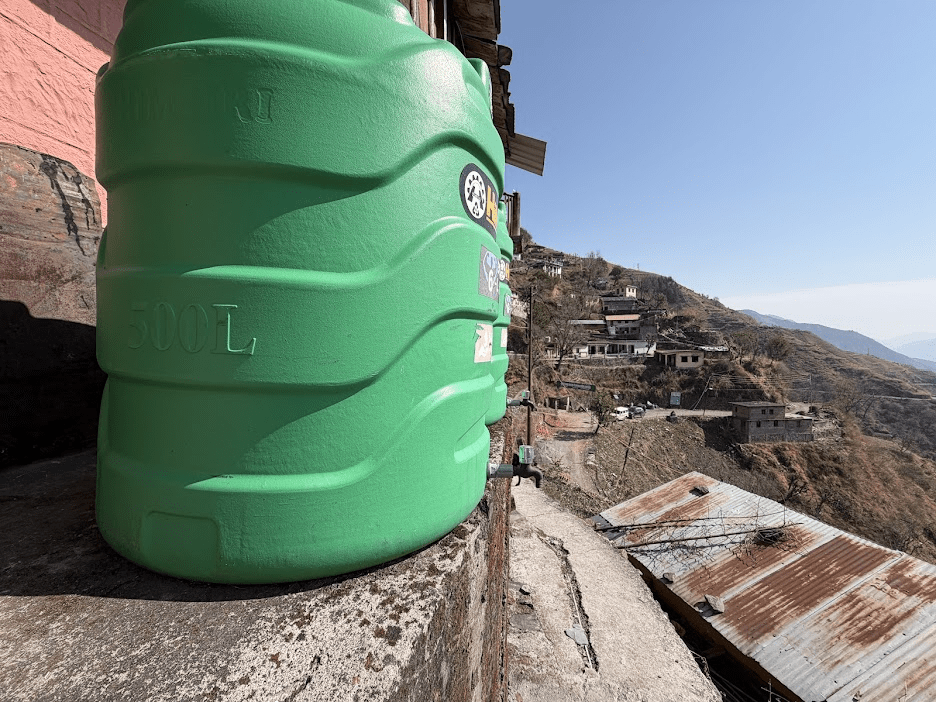
- Decentralized Rainwater Harvesting: Moving beyond the “big dam” mentality to village-level storage.
- Climate-Resilient Agriculture: Support for farmers to transition to crops that require less “chilling” and water.
A Warning to the Plains
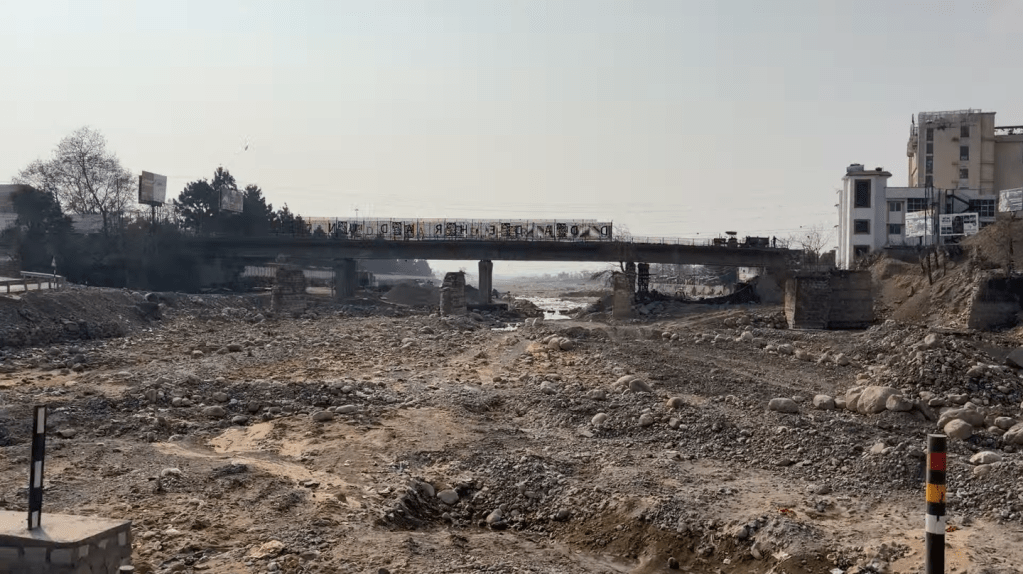
To those reading this in Delhi or Dehradun: do not think this is just a “mountain problem.” The Yamuna and Tons rivers, which quench the thirst of millions in the plains, are fed by these very ridges. When the snow vanishes from Chakrata, the water security of the national capital is directly under threat.
The mountains are screaming, but is anyone in the Secretariat listening?
The “I am Jaunsari” exhibition in the carnival showed us a people of immense pride and history. But pride cannot quench thirst. As I left Ashtaad on February 15, the sunset was beautiful, but the brown peaks behind it felt like a countdown. The clock is ticking toward a parched summer. Let’s hope things get better soon.


Leave a Reply