
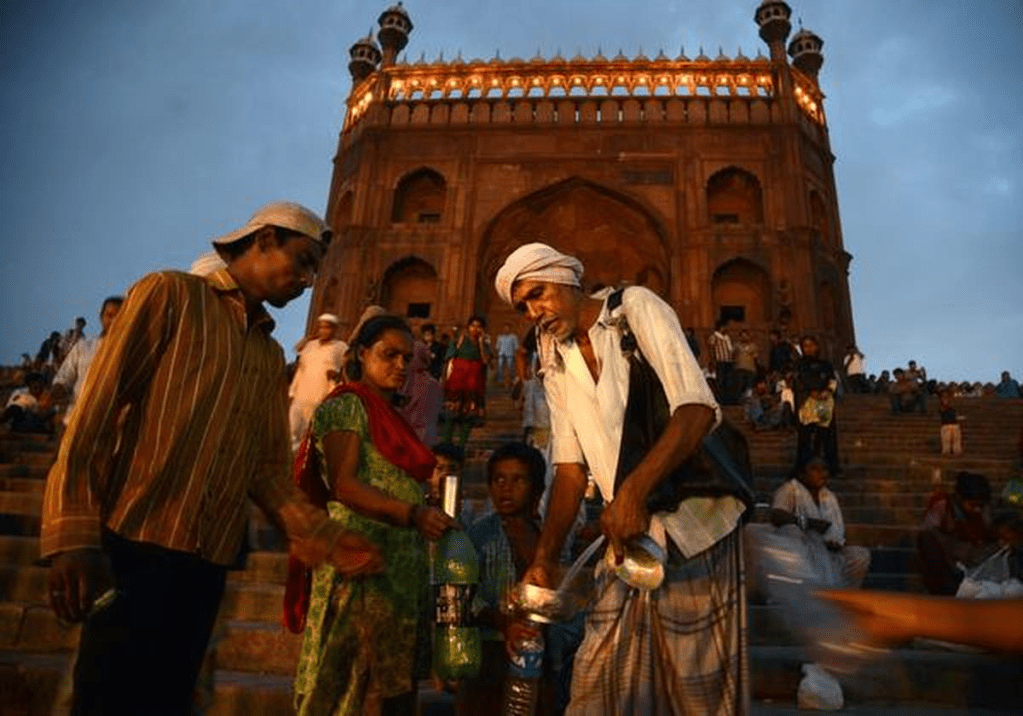
In the narrow lanes of Old Delhi, before taps, before tankers, before pipelines, you could hear a different sound.
Not the noise of traffic.
Not the ring of mobile phones.
But the soft splash of water inside a leather bag… and footsteps walking slowly through dusty streets.
That was Bhishti.
Water Did Not Come From Taps
There was a time when water did not come by turning a knob. It came on someone’s back.
Bhishtis were traditional water carriers. They carried water in a leather bag called a mashaq, usually made from goat skin. The mashaq could hold around 40 litres of water. Imagine carrying that weight every day, in Delhi’s summer heat.
The word Bhishti comes from the Persian word “Behesht” meaning paradise. And honestly, in 45 degree heat, a man bringing water really was paradise.
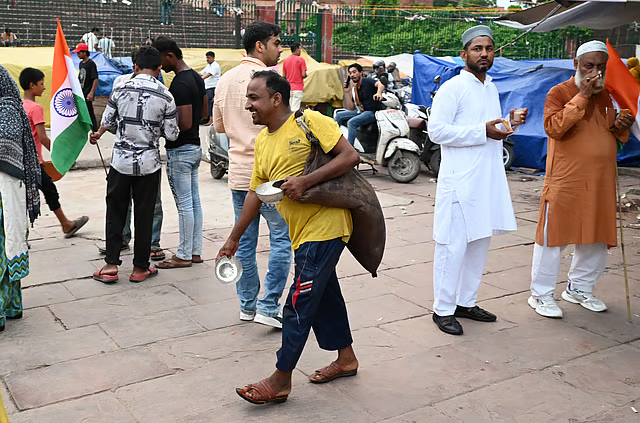
Source: The New Indian Express
The Mashaq: More Than Just a Bag
The mashaq was not something you bought and used immediately.
When new, the goat skin was raw. It had to be greased properly and dried in the sun. Once filled with water, the leather stretched. Tiny pores opened. After three to four months, holes would start appearing and the leather would weaken.
Forty years ago, a mashaq cost around ₹40–50. Today, it costs ₹2000–2500. But money is not the only problem.
Now, even finding someone who knows how to make it is difficult.
When a profession dies, its tools die with it.
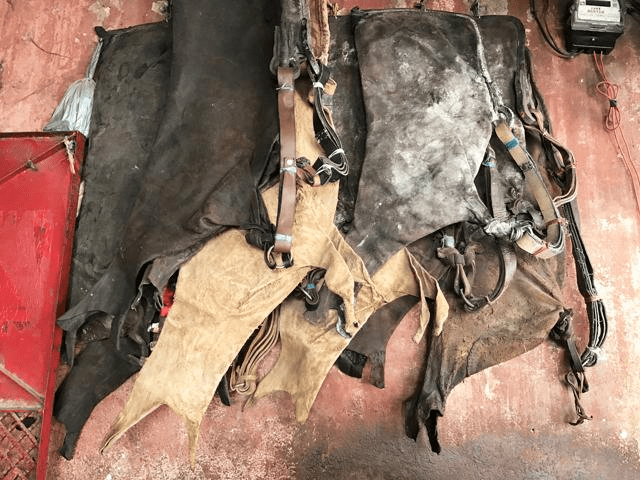
Source: Hindustan Times
A Bhishti Once Became King
During the time of the Mughal Empire, Bhishtis were not just workers. They were lifelines. They supplied water to soldiers in battlefields. They watered royal gardens. They served in palaces.
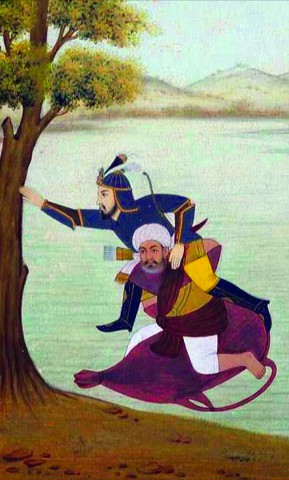
There is a famous story about Humayun. It is said that when Humayun was drowning, Bhishti saved him. In gratitude, the emperor made him king for one day.
Imagine that.
A man who carried water on his back… sitting on a throne.
Even if only for a day, it shows how respected they once were.
Their Everyday Reality
Most Bhishtis belonged to the Muslim community. For generations, this was their identity. They cleaned the streets. They sprinkled water on dusty roads before festivals like Holi and Diwali. At big roundabouts, you could see them working quietly while people celebrated. They did not ask for much. People gave small amounts of money.
But the work was harsh.
Carrying 40 litres daily damaged their knees and backs. Many developed breathing problems. Summers were cruel. Winters were no easier.
Still, they walked.
Because cities were thirsty.

Source: Hindustan Times
And then… Pipes Came
Modern water systems slowly entered homes. Pipelines replaced mashaqs. Hand pumps replaced wells. Tankers replaced footsteps.
The old wells in parts of Old Delhi began closing. Streets no longer needed to be sprinkled manually. Every house had taps.
And just like that, the Bhishti became unnecessary.
Families left the profession. Some became daily wage labourers. Some opened small shops. The younger generation chose different paths.
Not because they forgot their history. But because survival changed its shape.

A Profession That Faded Silently
Today, if you walk through Old Delhi, you might hear traffic, vendors, azaan and laughter.
But you will not hear the soft splash of water inside a mashaq.
The leather bag that once carried life is almost gone. The wells are drying. The name “Bhishti” survives mostly in stories.
And that is how many histories disappear not with noise, but with silence.
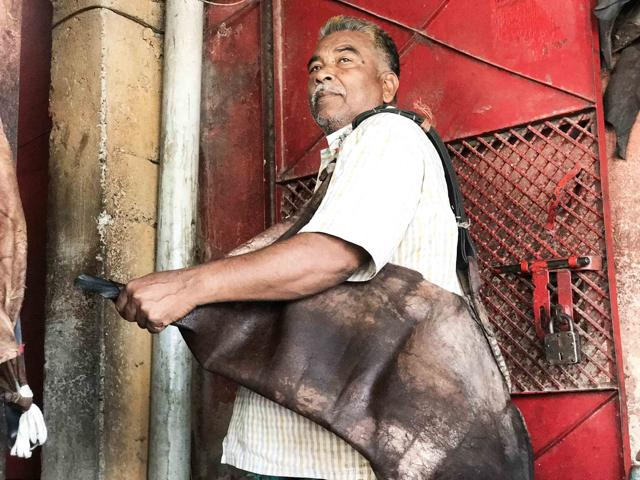
Source: Hindustan Times
Why Their Story Still Matters
We talk about development, modernization and smart cities.
But cities were once kept alive by people like Bhishtis.
They did not hold power.
They did not hold titles.
They held water.
And water is life.
Maybe we do not need Bhishtis today the way we once did. But remembering them means remembering a time when human effort was directly connected to survival.
In a world where everything comes instantly, their story reminds us that once, survival walked through the streets carrying 40 litres on its back.
And that story deserves to be remembered.


Leave a Reply