
If the Chakrata Winter Carnival was the vibrant, loud mask of Jaunsar Bawar, the village of Ashtaad was its quiet, beating heart. After the echoes of the Ransingha faded in the town square, our mentor, Mr Nitin Joshi, led us up a road that seemed to climb straight into the clouds.
We weren’t just visiting a village; we were entering a sanctuary. For three days, we lived in the home of Nitin’s uncle – Mama Ji – a man whose hospitality is as deep as the valleys he calls home.
The Architecture of Survival: A Skyline in Flux
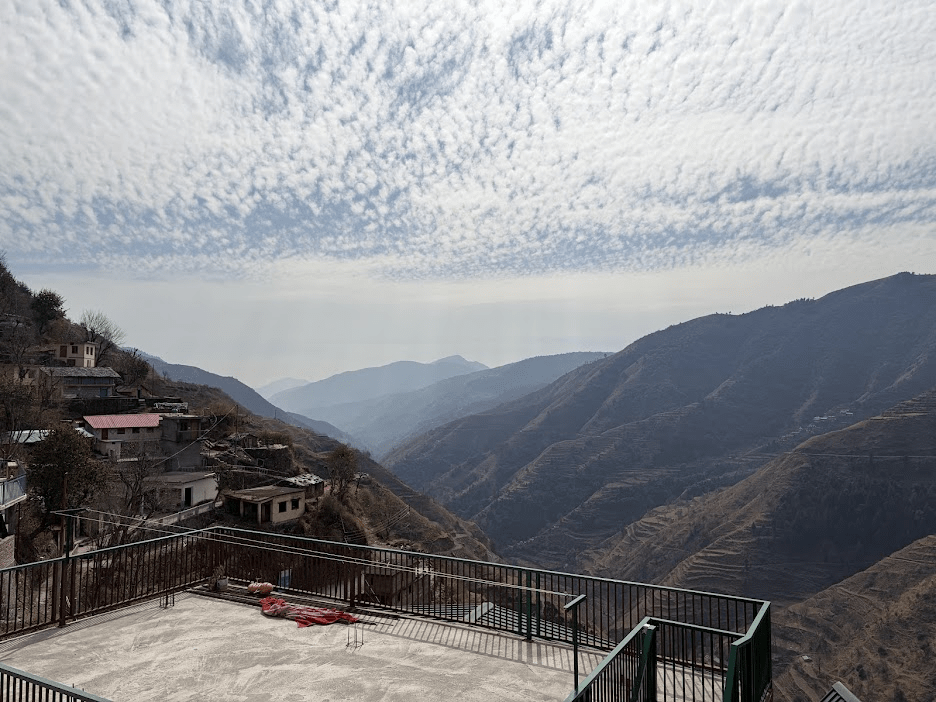
Stepping into Ashtaad is like walking through a living timeline. The village is currently in the middle of a fascinating architectural “handshake” between centuries.
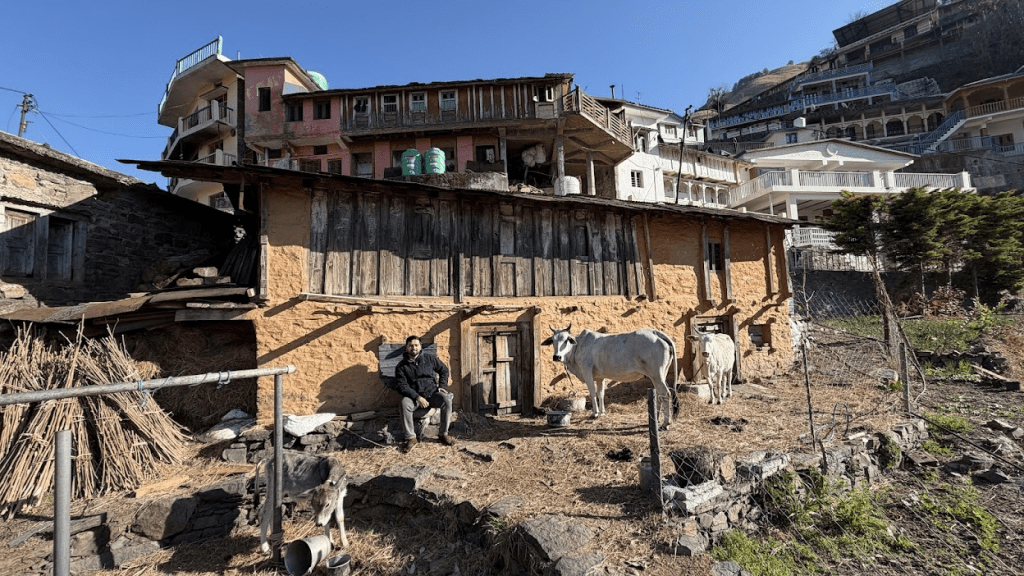
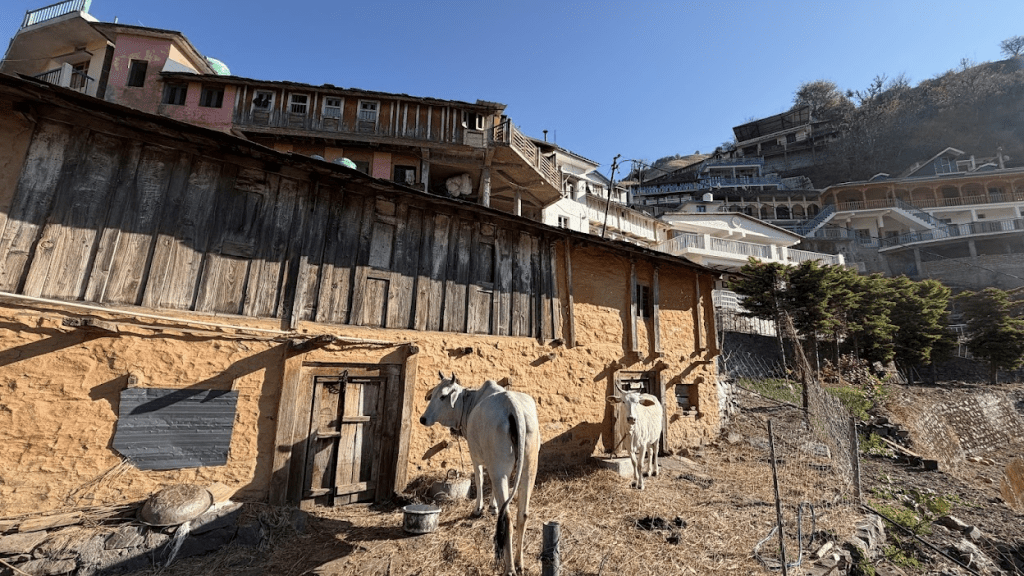
On one side, you have the Kath-Kuni masterpieces. These are traditional homes where thick, aromatic deodar wood beams are layered with heavy Himalayan stones. The genius? There isn’t a single iron nail in the structure. It’s an ancient seismic dance; the wood and stone are layered to slide and sway during an earthquake rather than snap.
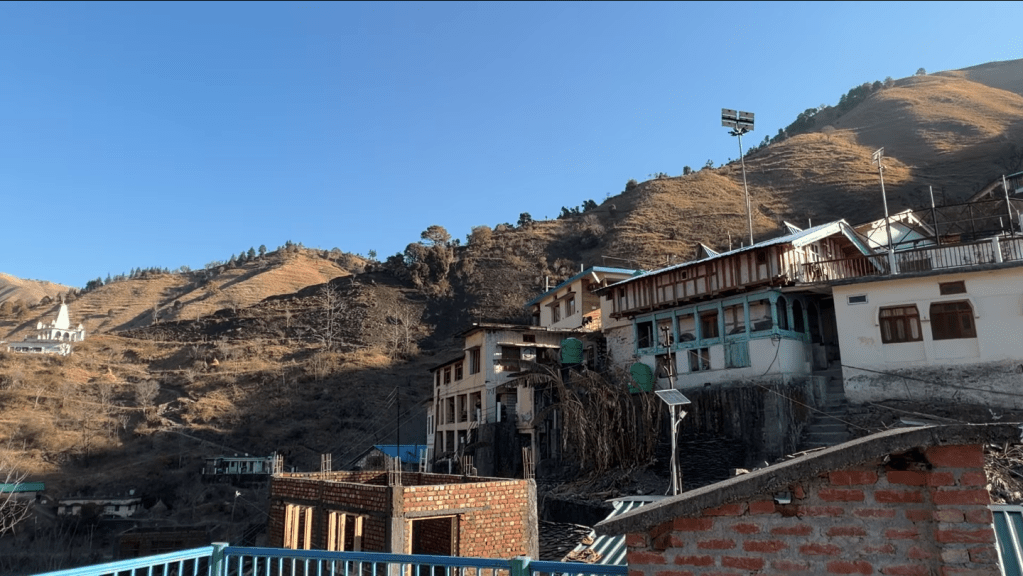
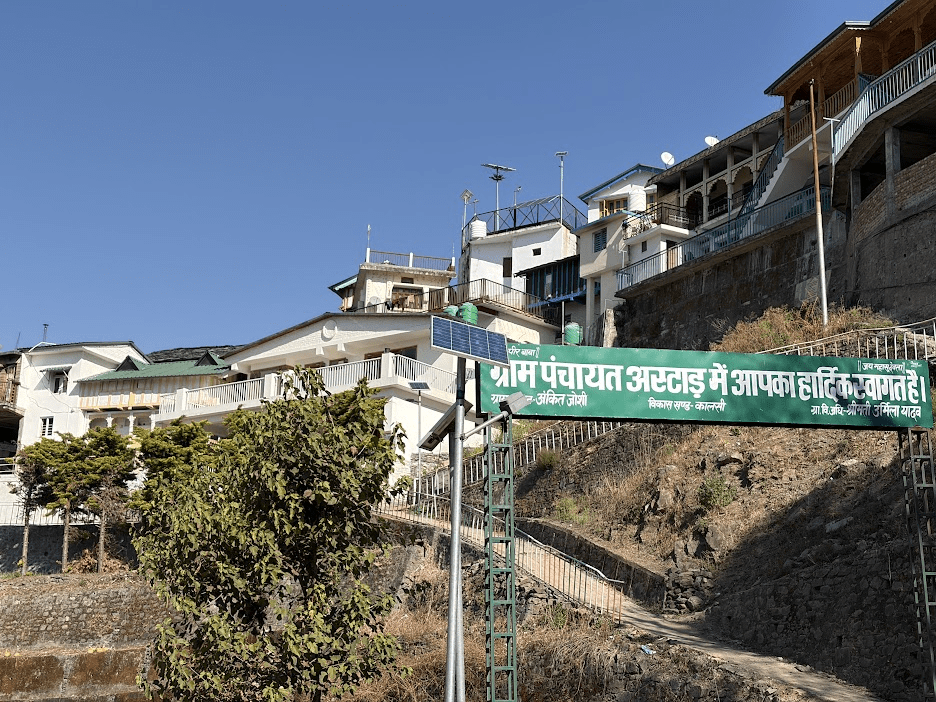
But as we walked with Nitin, I noticed a new aesthetic – The “Pahari-Hybrid.” Many of the newer constructions are a bold blend: the ground floors are sturdy, modern brick-and-cement, but they are topped with traditional wooden balconies and hand-carved deodar door frames. It’s a visual representation of the Jaunsari spirit – holding a bag of cement in one hand and a wood-carving chisel in the other, refusing to let go of the old while embracing the stability of the new.
Tea, Bukhari, and the Death of Myths
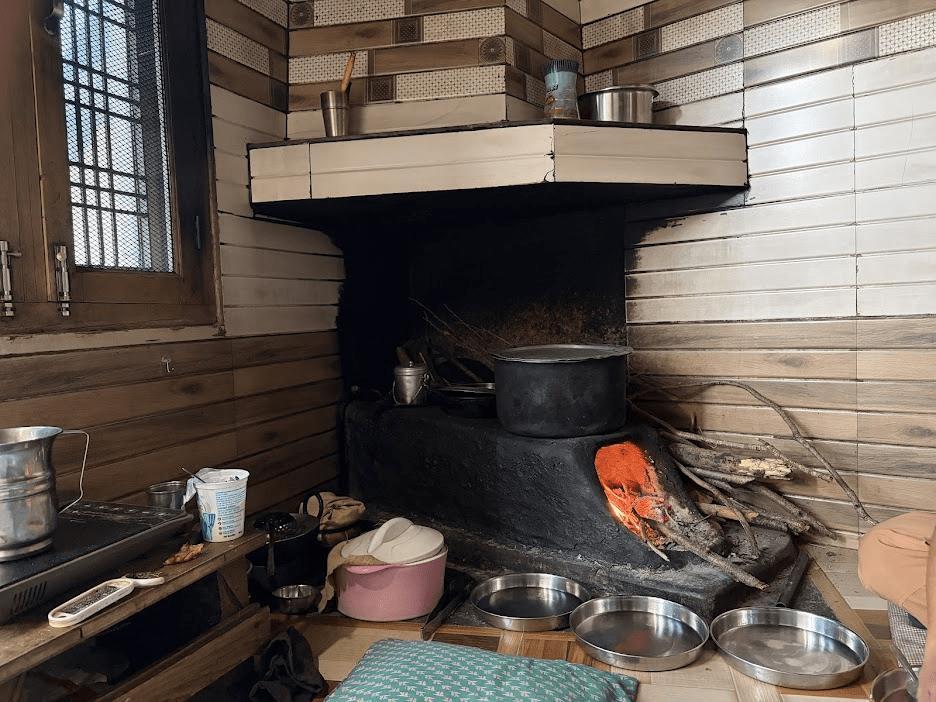
Inside Mama Ji’s home, life revolves around the Bukhari – the traditional wood-burning stove that serves as the warmest place to connect and talk. Over endless cups of tea and steaming local brews, the “city myths” I had heard about Jaunsar began to melt away.
For decades, sensationalist tabloids have painted this region with the brush of “Black Magic” and “medieval rituals”. Nitin and Mama Ji, leaning back against the wooden pillars, laughed till they coughed. “People fear what they don’t bother to understand,” Nitin told me. People from other regions tend to create false stories just to spook out the visitors and limit access to this beautiful region. Trust me in my 3 days living in the deep valleys and even wandering out in the morning as well as 11 PM at night, there is no such things as black magic or ghosts that exist in these mountains. You just have to maintain and respect their traditions and belief and live like a family and everythings feels so warm and amazing. There are some hypothetical stories among the villagers about miracle healing in the past but they also accept it as a thing of past.
The “magic” of Jaunsar isn’t found in dark spells; it’s found in a strictly disciplined, almost poetic way of life governed by the Mahasu Devta. Their Justice System is a marvel of community living. While the modern police exist, most village disputes – from land boundaries to family tiffs – are settled in the “Divine Court” of the village elders or the deity. It’s a system built on restoration and social shame rather than handcuffs and cold cells. The practice of Swearing on water and Rice is a way of self assessment and subconscious mind working on regret and self guilt pertaining to as punishment by the gods. although it is practical and there are spiritual beliefs and existence of spirits as well. But majorly it is about Self Honor and truthfullness.
The Matriarchs: Power Without a Podium
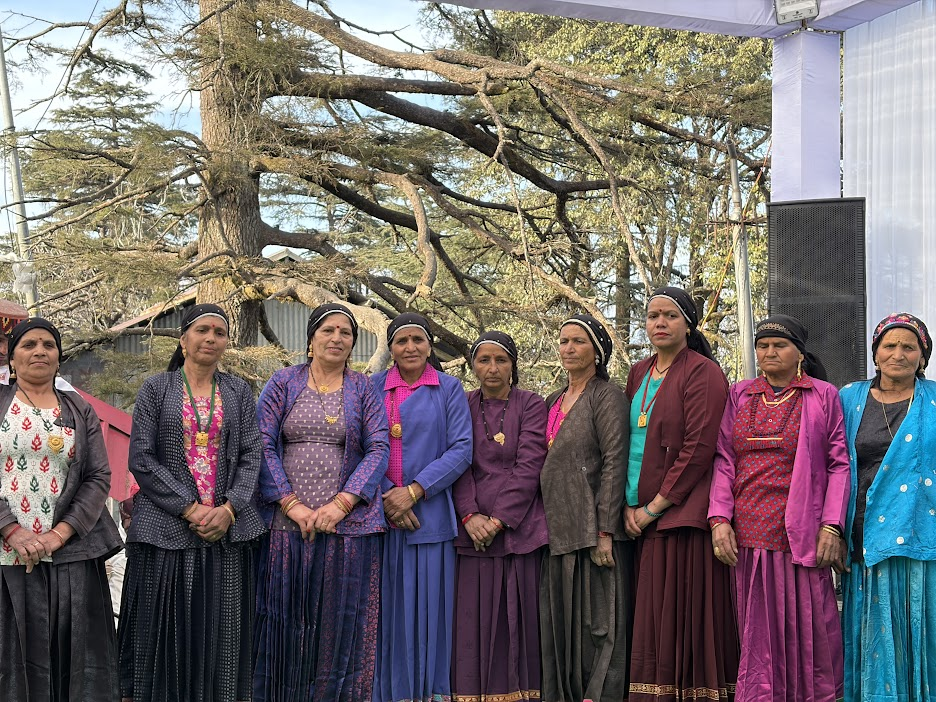
One of the most eye-opening parts of my 72-hour stay was observing the women of Ashtaad. In many urban narratives, rural women are portrayed as silent or oppressed. In Jaunsar Bawar, they are the Matriarchs of the Mountain.
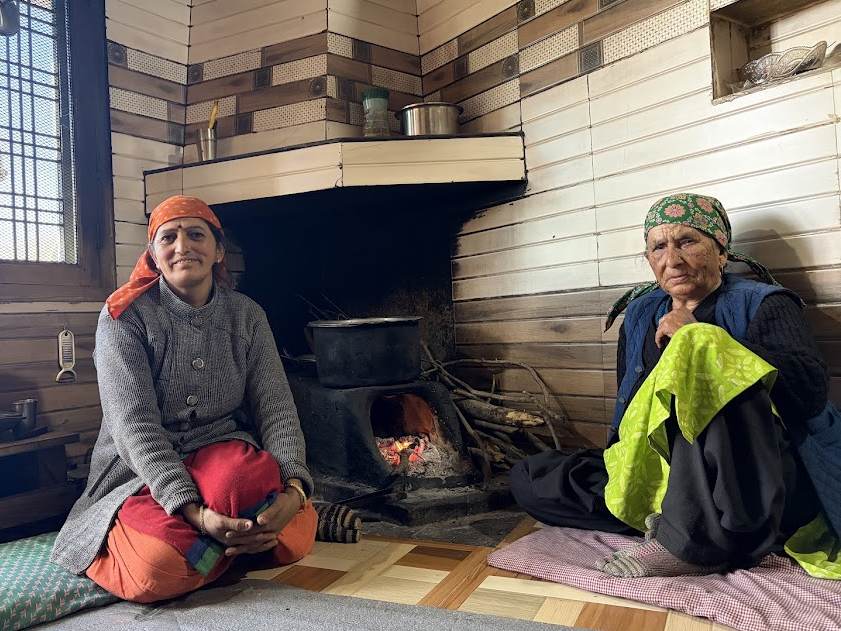
From Mama Ji’s household to the neighbors who dropped by, the women here possess a social agency that would surprise a city dweller. They are the managers of the economy, the guardians of the seed-banks, and the decision-makers of the hearth. We learned about the unique social freedoms they hold – the right to choose their partners and, more strikingly, the absolute social right to divorce and remarry (Reet) without the crushing stigma found in the plains. In Ashtaad, a woman doesn’t just belong to a family, she is the family’s strength.
The “Pandava” DNA and the Neighbor’s Knock
In Ashtaad, the concept of a “locked door” is almost offensive. Privacy is a foreign currency here; kinship is the only legal tender. The origin of these peoples trace to multiple routes, from some saying that the original settlers were from Rajasthan based on their traditional cultural outfits resembling that of the rajasthan.
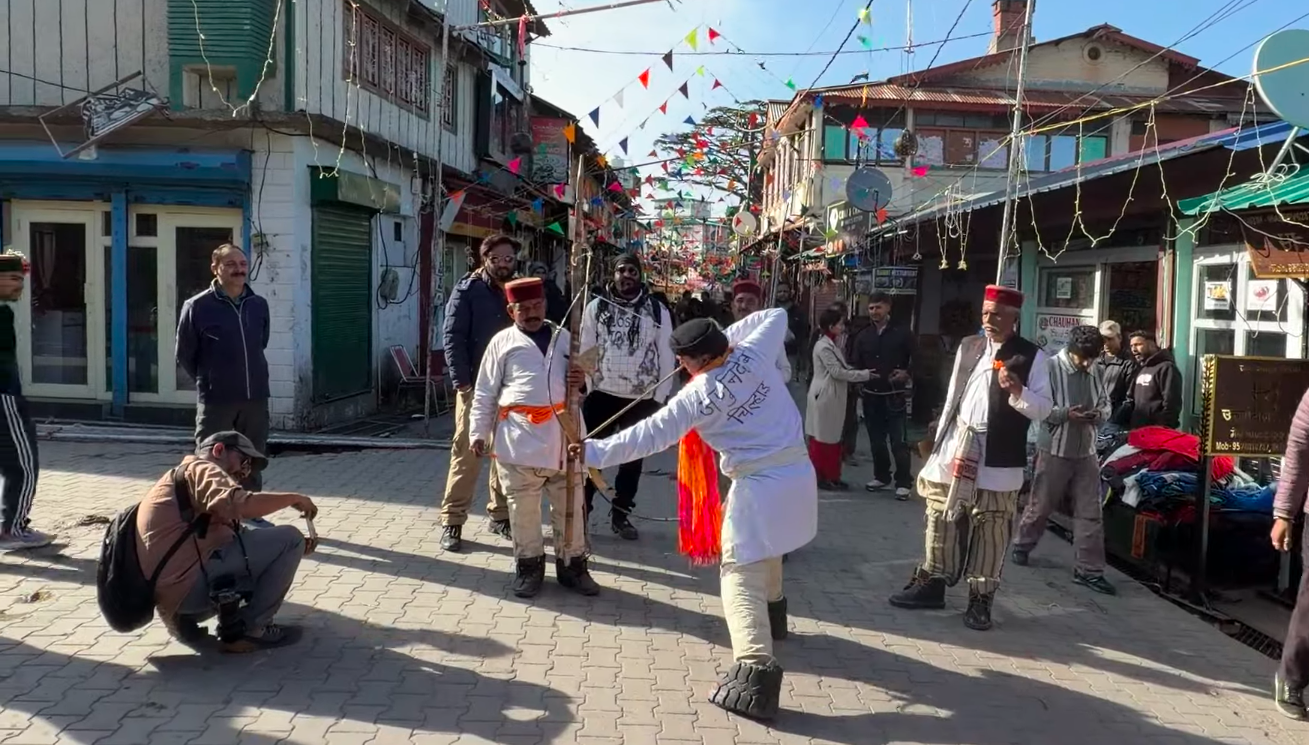
Meanwhile upon asking further, the Neighbors spoke of the Pandavas – the heroes of the Mahabharata – not as distant mythological figures, but as their direct ancestors. For them, the epic didn’t happen “once upon a time”; it happened in these very ridges. They are the living descendants of a legendary lineage, and that pride reflects in the way they walk – shoulders back, eyes on the horizon.
The Bitter-Sweet Reality: Employment and the Exit
However, I’d be doing a disservice if I painted this only as a paradise. Between the stories of gods and ancient wood, a quieter, more urgent conversation took place: The hunt for a future. Many of the village elders as well the youth I spoke to are caught in a painful tug-of-war. They love the clean air of Ashtaad, but their pockets are empty. With the apple and ginger harvests becoming unpredictable due to the changing climate, the “Great Migration” to Down Plain – VikasNagar, Dehradun and Delhi and many more is a constant shadow. “We are the kings of these hills,” one young man told me, “but even kings need a job.”
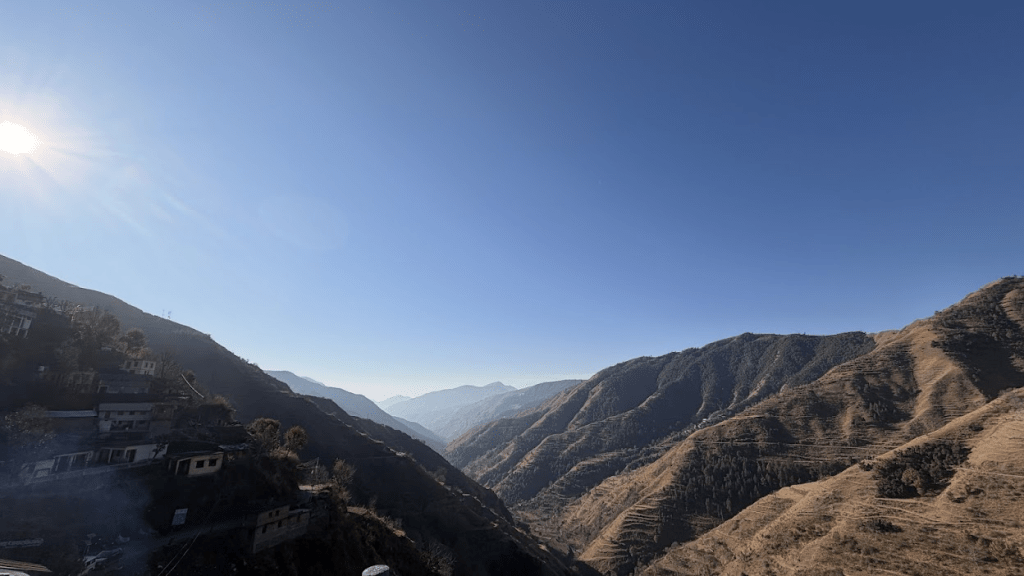
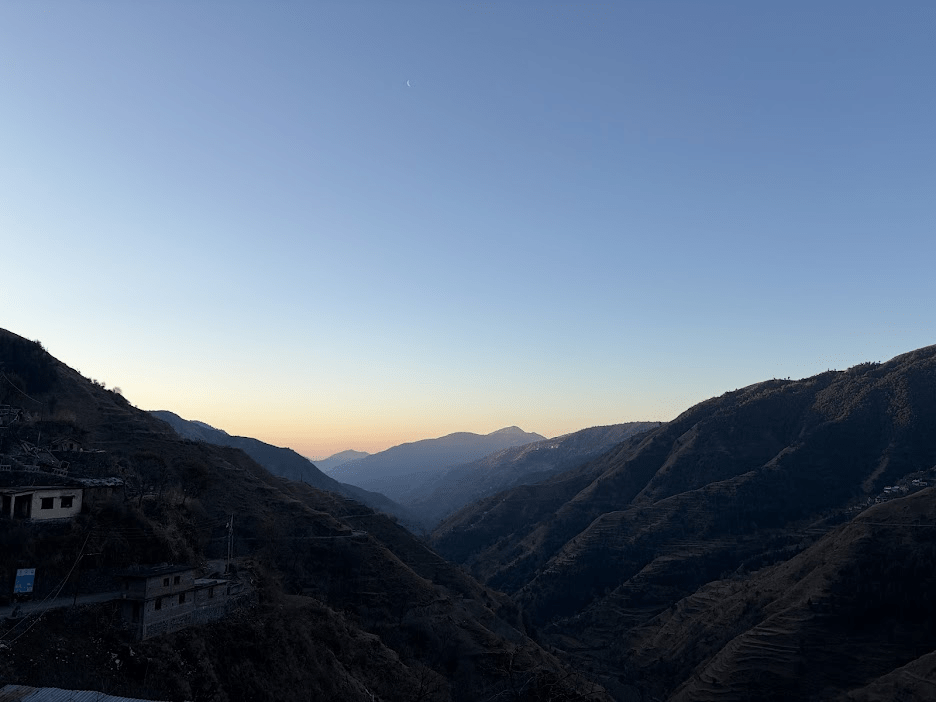
As I watched the sunset from Mama Ji’s wooden balcony on our final night – the sky turning a deep, bruised violet – I realized that Jaunsar Bawar is a place of beautiful contradictions. It is a land of ancient magic and modern cement, of powerful women and struggling youth, of divine justice and earthly worries.
I came looking for a story, but I left with a family and so many memories to cherish.


Leave a Reply