
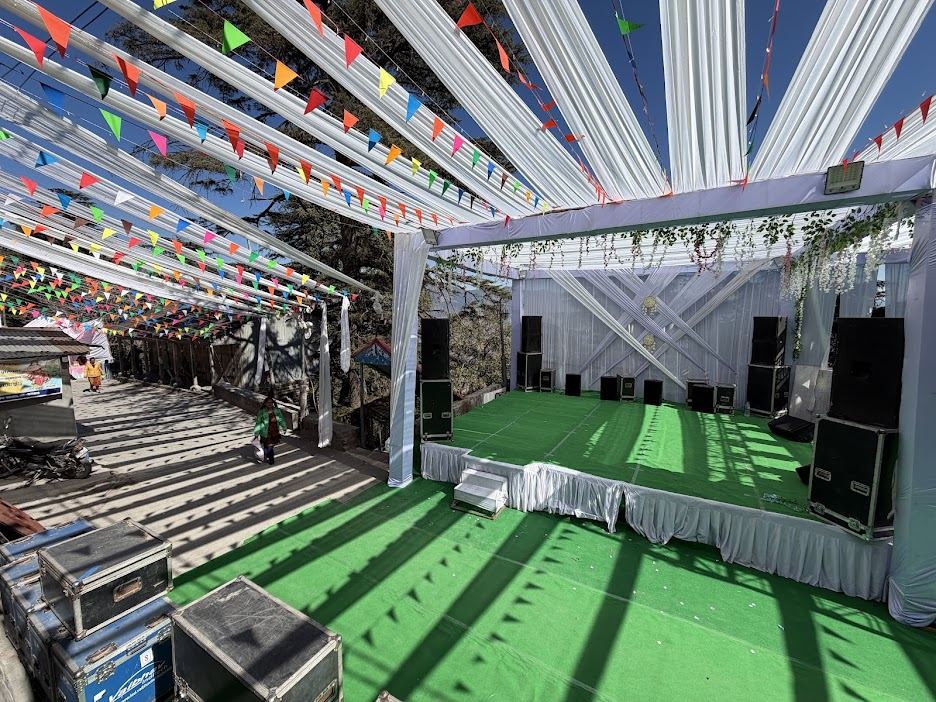
If you ever find yourself in the mountains of Uttarakhand in mid-February, follow the sound of the Ransingha and the rhythmic beat of the Dhol-Damau. It will lead you straight into the heart of the Chakrata Winter Carnival – a vibrant explosion of culture that turned this quiet cantonment town into a living, breathing museum of Himalayan heritage.
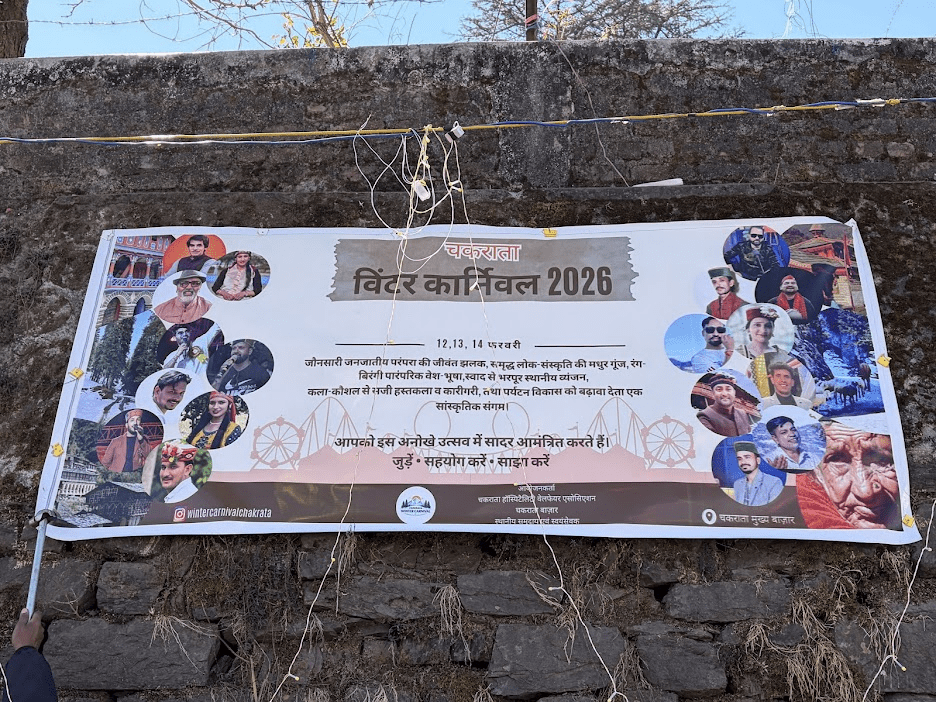
The Arrival: A Town Transformed
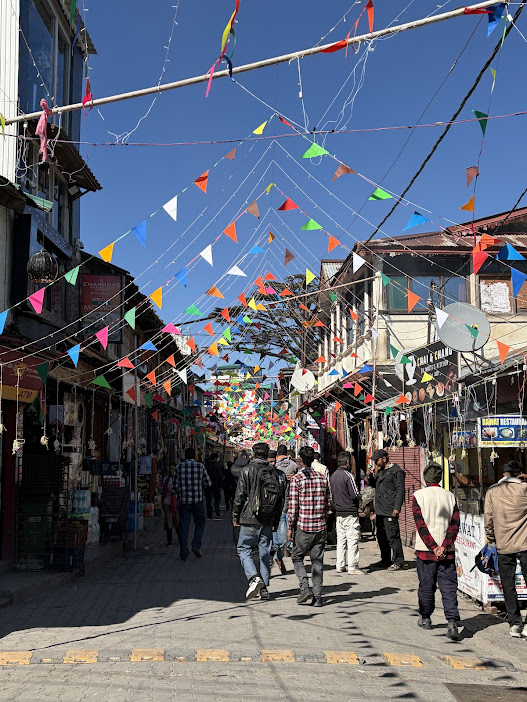
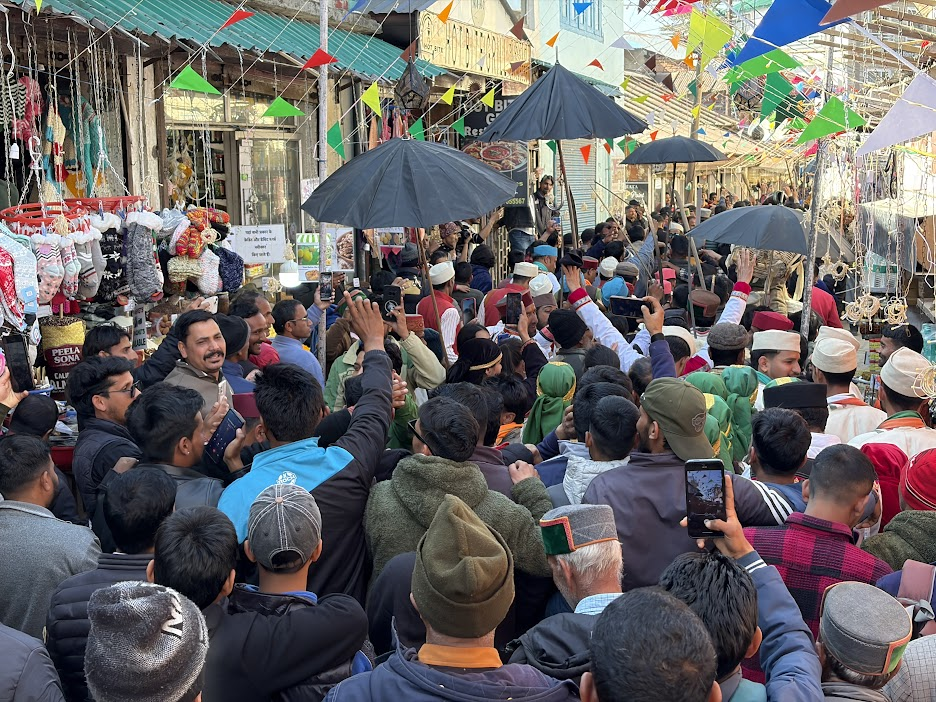
Coming from the quiet, winding roads of the Yamuna valley, entering Chakrata during the carnival is like stepping into a kaleidoscope. The main market, usually a sleepy stretch of hotels, local cuisine eateries, Momo cafes and small tea stalls, was draped in lights and banners. But it wasn’t just the decorations that changed the mood; it was the people.
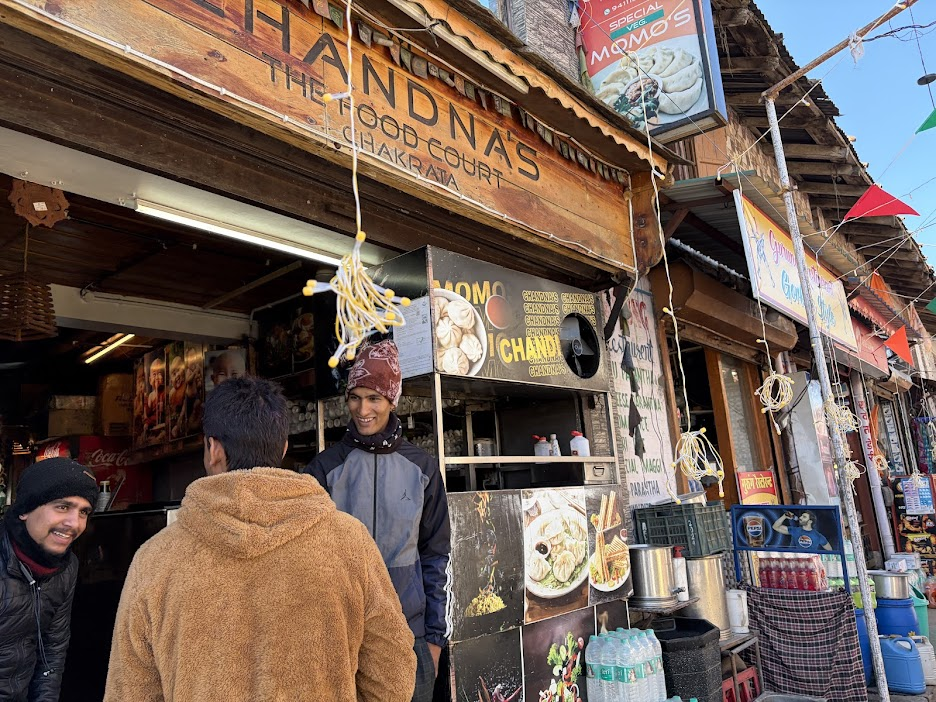
Villagers from all over the Jaunsar Bawar region – from Tuini to Kalsi and my own temporary home in Ashtaad – had descended upon the town. Men in traditional Chola and Topi and women adorned in exquisite jewelry and colorful headscarves filled the streets. The air was cold, but the energy was electric.
The Rhythm of the Khasas
The highlight of the carnival is, without a doubt, the folk performances. I spent hours watching the Nati dancers. There is something hypnotic about a hundred people moving in a perfect, synchronized circle, their hands linked, swaying to songs that have been passed down through generations.
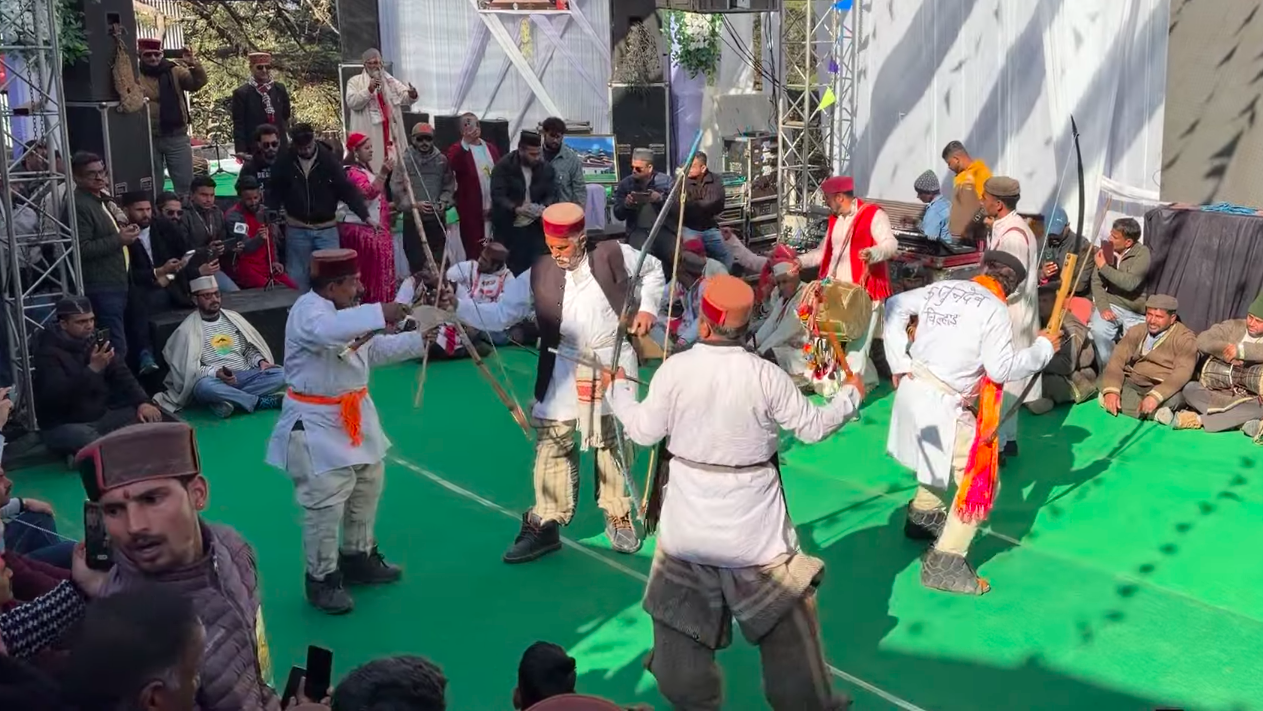
These aren’t just dances; they are stories. They tell tales of the Pandavas, of local deities as well as their supreme god – Mahasu Devta, and of the changing seasons. As I stood there with my camera, I realized that despite the modern world knocking at the door, the roots of the Jaunsari people are anchored deep in this soil.
The “I am Jaunsari” Exhibition
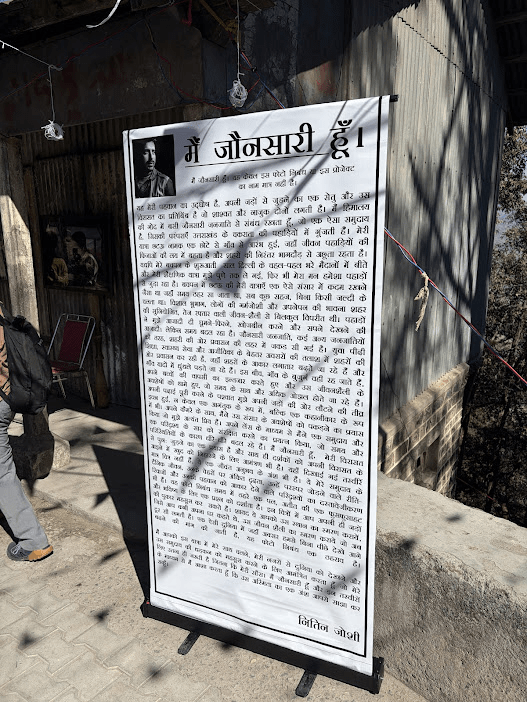
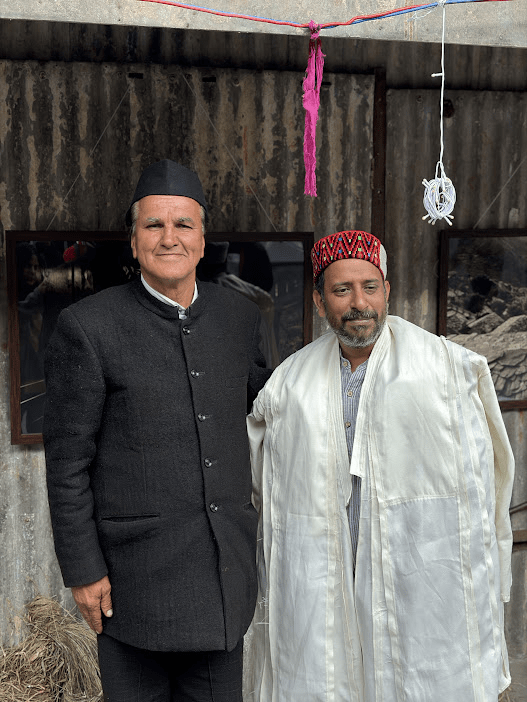
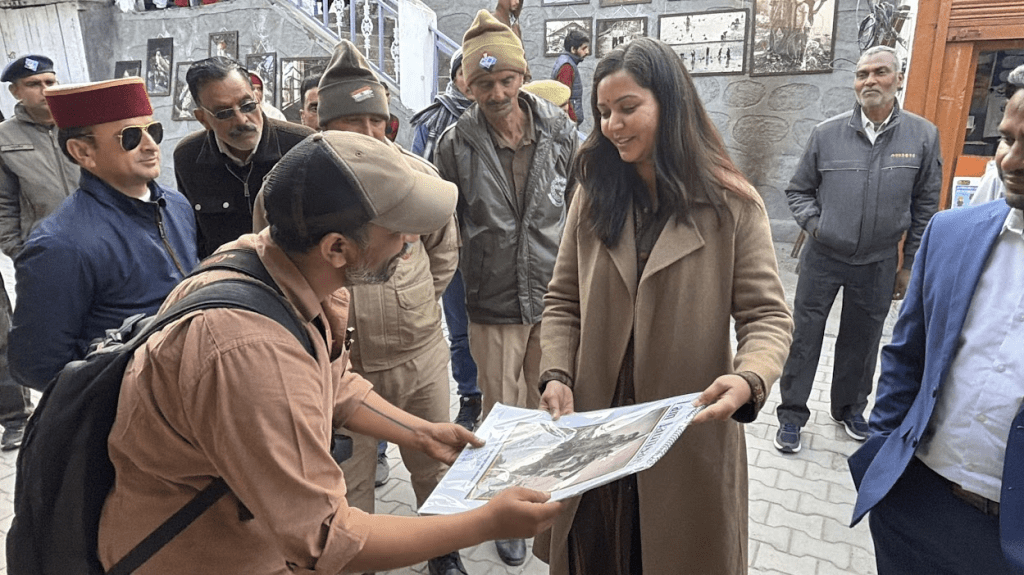
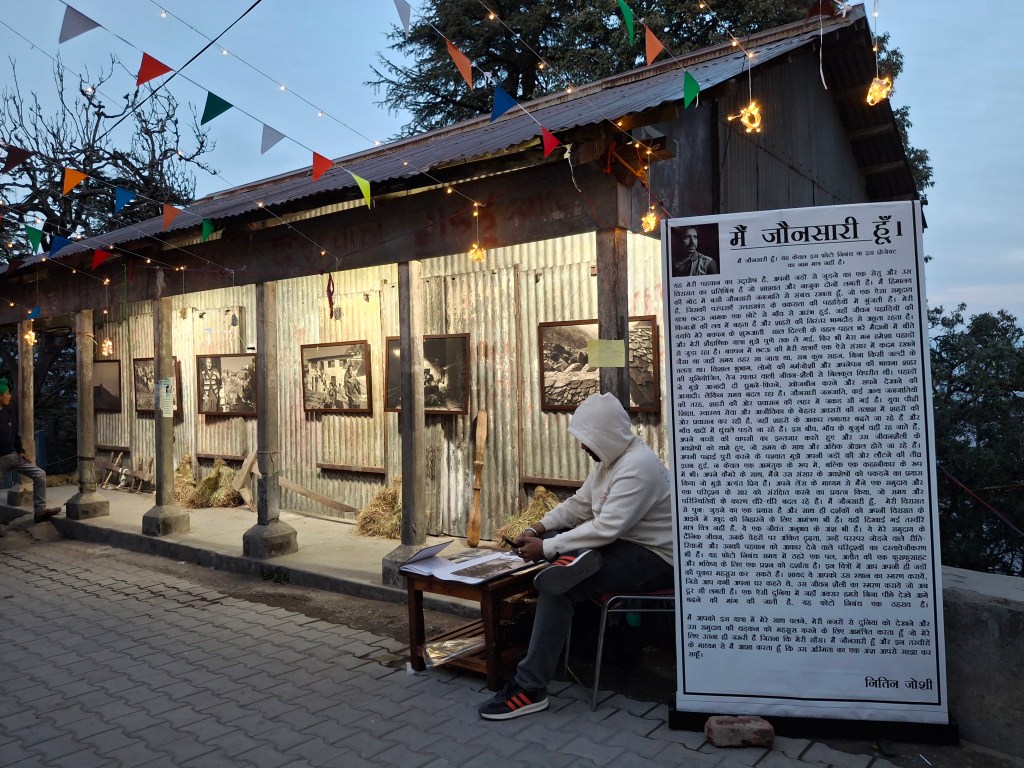
Among the whirlwind of Nati dances, artisan and food stalls and local music, one of the most powerful moments of the carnival happened in a quieter space. Our mentor, Nitin Joshi, had set up a stunning photo exhibition titled “I am Jaunsari.” As a native photographer, Nitin’s work doesn’t just capture faces; it captures the soul of the soil. Walking through the exhibition was like seeing the region’s heartbeat – the wrinkles of the elders, the vibrant traditions of the festivals, power of women and the quiet dignity of daily life. It served as the perfect introduction to the people we were about to spend the next few days with.
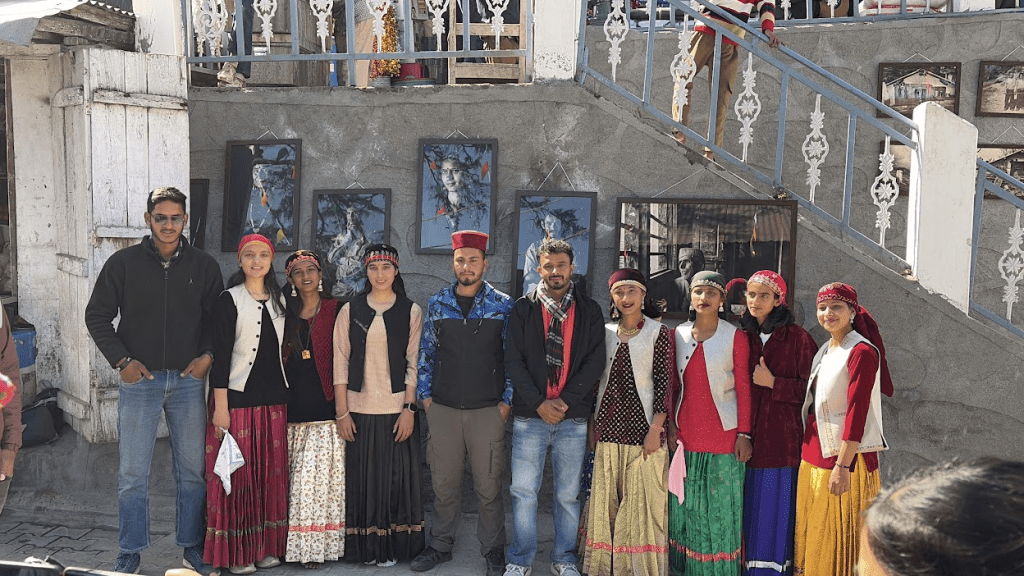
For me, “I am Jaunsari” wasn’t just a title; it was an invitation to understand the identity of this protected land. The villagers spoke with such pride about their culture – a pride that was reflected in the grand parades we saw that day.
Living the Carnival Spirit in Ashtaad
While the main events happened in Chakrata, the spirit of the festival followed us back to the village of Ashtaad. Even though the nights were freezing, the hospitality didn’t chill. Living with the villagers for those three days during the carnival period meant being part of “extended celebrations.”
Living with the Roots in Ashtaad – After the excitement of the carnival, Nitin led us back to his uncle’s home in Ashtaad. This wasn’t a hotel or a guesthouse; it was a sanctuary of deodar wood, cement and stone. Staying there for three days allowed us to see the “Carnival spirit” in its most intimate form.
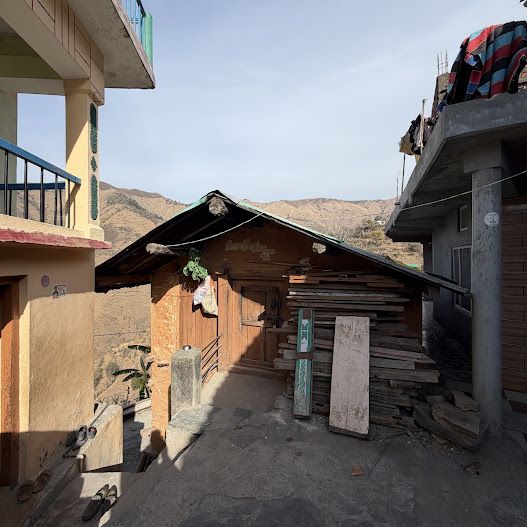
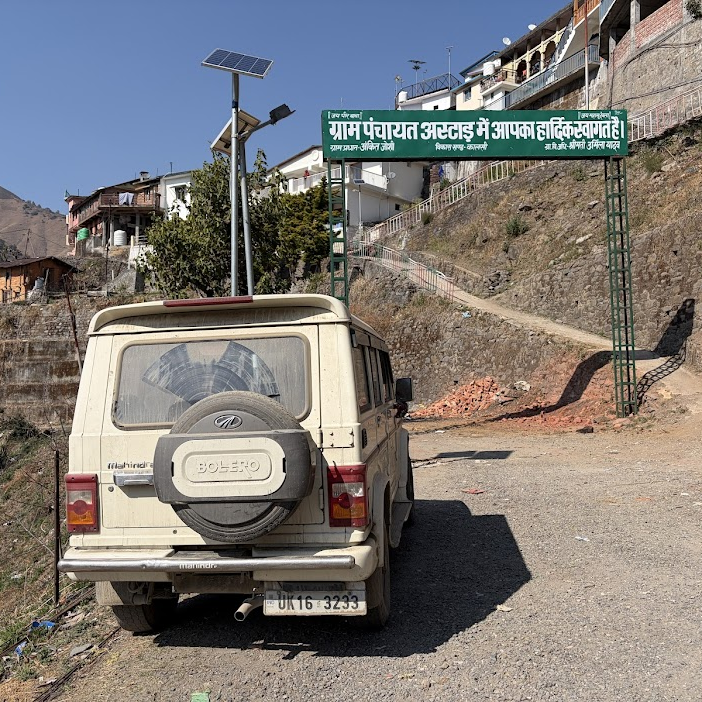
Every evening, we spent time with Nitin sharing stories behind his photographs while his family showed us a level of hospitality that is hard to find in the modern world. It was here, between the warmth of Mami’s kitchen and the sharp cold of the night, that I realized the true beauty of Jaunsar Bawar isn’t just in its scenic vistas, but in the people who call it home.
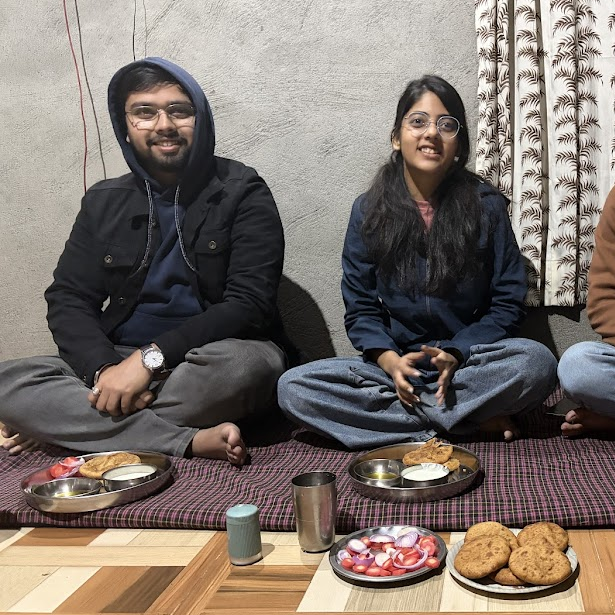
Every meal was a feast. We sat on the floor of ancient wooden houses, warmed by a Bukhari (traditional heater), sharing stories over steaming plates of local delicacies.
Why You Should Visit During the Carnival
If you want to see Jaunsar Bawar at its most authentic, February is the time. It’s when the “scenic route” becomes a “cultural route.”
- The Food: You get to try authentic Siddu and Pahari sweets that are specifically prepared for festivals.
- The Photography: The contrast of the colorful traditional attire against the rugged, earthy tones of the mountains is a photographer’s dream.
- The Connection: It is the easiest time to talk to locals. The festive mood makes everyone welcoming and eager to share their history.
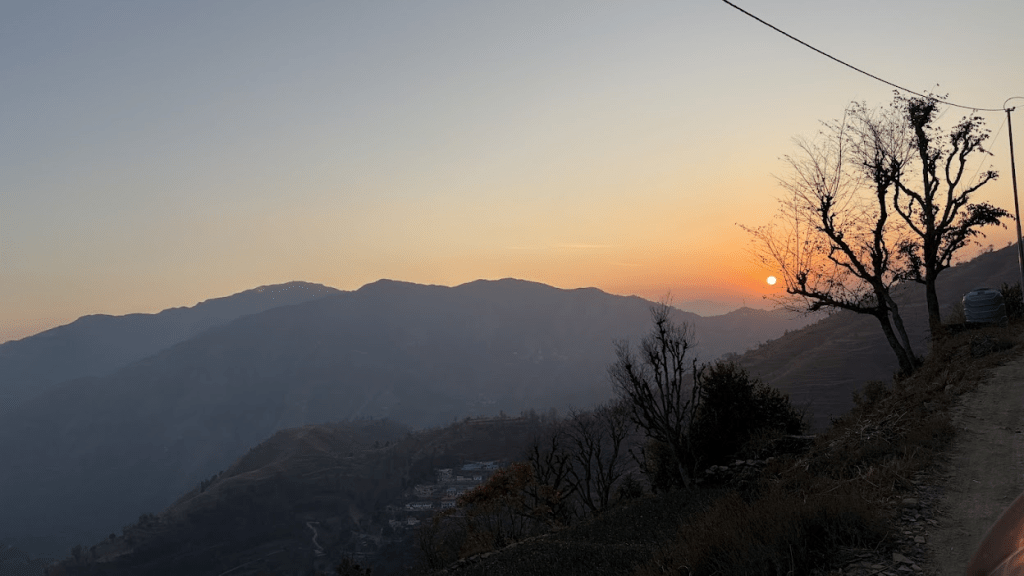
As the sun set over the carnival, casting long shadows across the dancing crowds, I felt a deep sense of joy. The event being first of its kind for the people of Chakrata, the organisers as well the people expect to make many more improvements over the next few years encouraging people to come and share these amazing moments with them.
But even in the middle of the music, I noticed something in the conversations of the elders – a quiet worry about the “missing white” on the peaks. Let’s talk more about this in the upcoming blogs.


Leave a Reply