
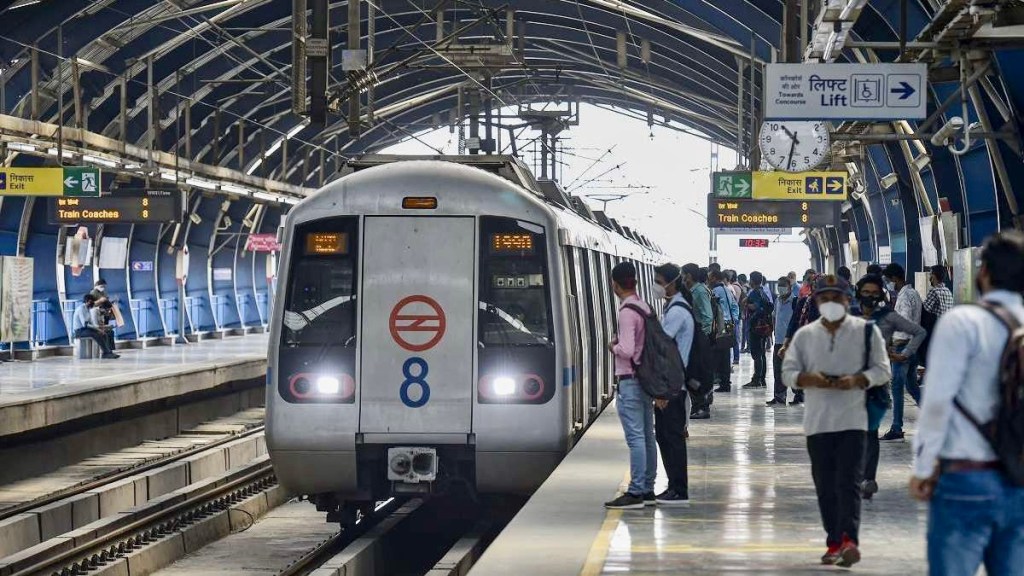
Every metro line in Delhi carries passengers, but the Blue Line carries entire worlds. Running from Dwarka Sector 21 to Vaishali and Noida this route is one of the longest and busiest, connecting offices, markets, colleges, homes, and countless everyday routines. At first glance, it may look like just another commute. People enter, stand, scroll on their phones and leave.
With every station the coach changes. New languages replace old ones. Fashion shifts. The energy rises and falls. Some people are starting their day, others are ending it. Within a single ride the metro quietly travels through many social landscapes.
This is why one journey on the Blue Line feels like travelling across many cities without ever changing the train.
Dwarka Sector 21: Where the day Boards the Train
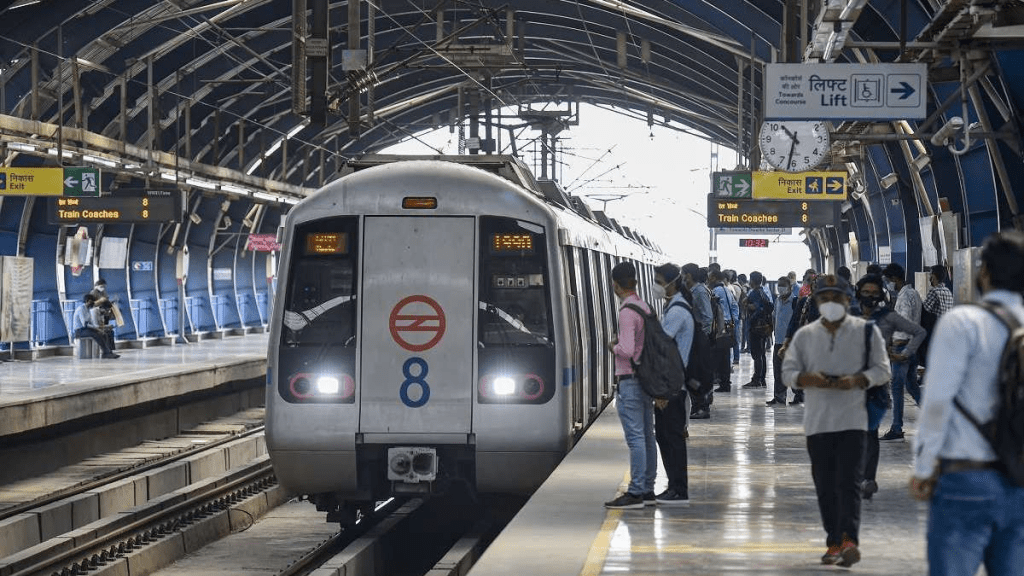
The journey starts at Dwarka Sector 21, a station that connects everyday commuters with airport travellers. Because of this, the atmosphere already feels slightly international. Some people drag suitcases. Some hold boarding passes. Others check office emails before even entering the train.
There is morning urgency in the air. Shoes walk fast. Escalators are full. Announcements repeat in Hindi and English creating a rhythm of movement.
Near the pole, I hear a young man say on the phone, “Haan, metro mil gayi. Time pe pahunch jaunga.”
At that moment, I realised the metro is not only carrying people, it is carrying promises of reaching on time.
A Temporary World on Wheels
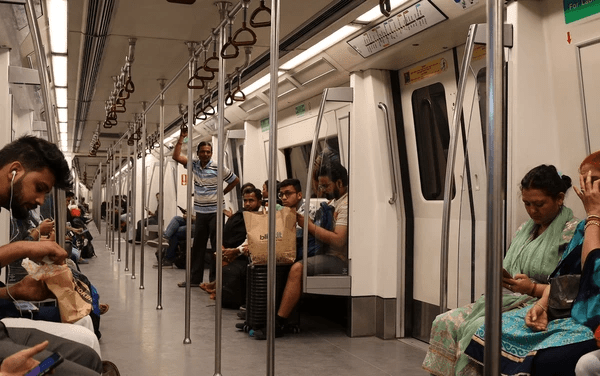
As the train moves forward, more passengers enter. Some are college students discussing assignments. Some are government employees reading newspapers on their phones. A few close their eyes trying to steal extra minutes of sleep.
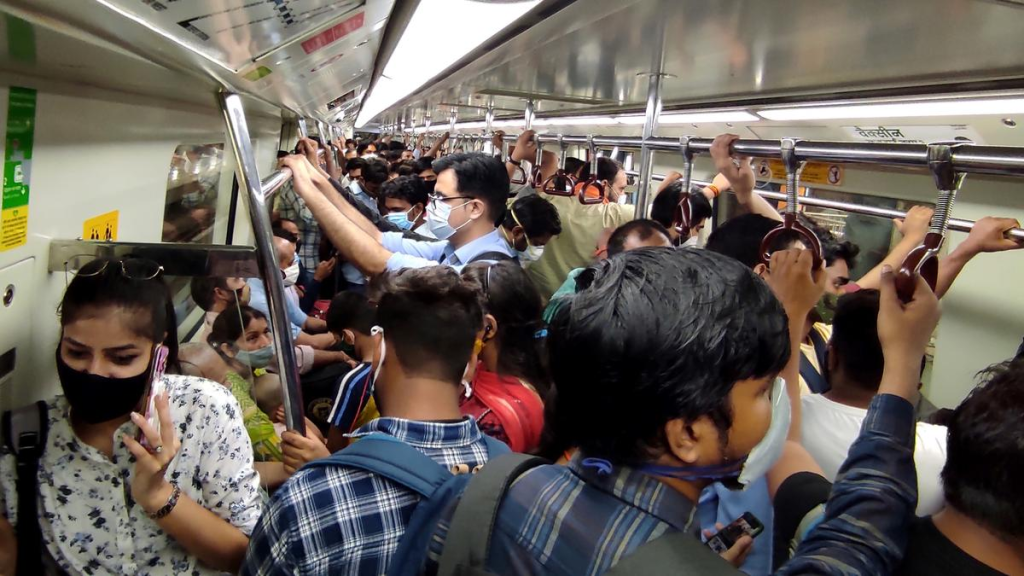
Nobody knows each other, yet everyone shares the same direction. The coach becomes a temporary society with its own silent rules: adjust, stand carefully, make space, avoid eye contact, yet help if needed.
Dwarka: Where One Journey Becomes Another
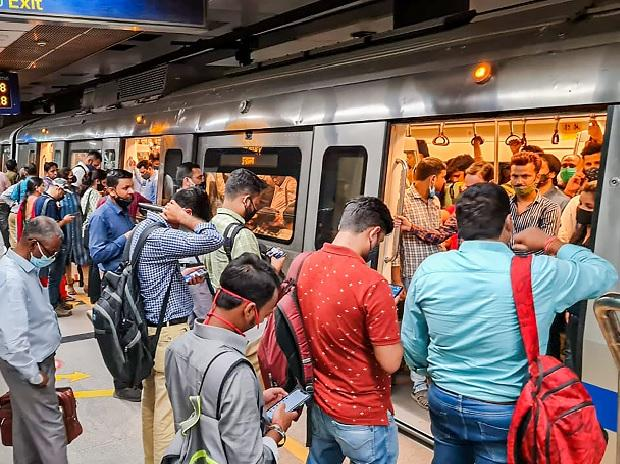
Before even stepping into the Blue Line, many passengers arrive from another route. The short ride on the Grey Line ends at Dwarka, carrying people from peaceful residential neighborhoods into a much larger and louder network. When they step onto the platform, you can already feel the change waiting.
Behind them are quiet streets, familiar shops, and slow mornings. Ahead lies the speed of offices, deadlines, crowds, and constant movement.
Some travellers walk quickly, masters of daily transfers. Others pause to read the signs, adjusting bags and mentally preparing for the rush. It is almost as if they are leaving one version of their life behind and entering another.
By the time the Blue Line doors open, the calm of home has slowly turned into the energy of the city. A private morning becomes part of a public journey.
Janakpuri West: The Great Passenger Swap
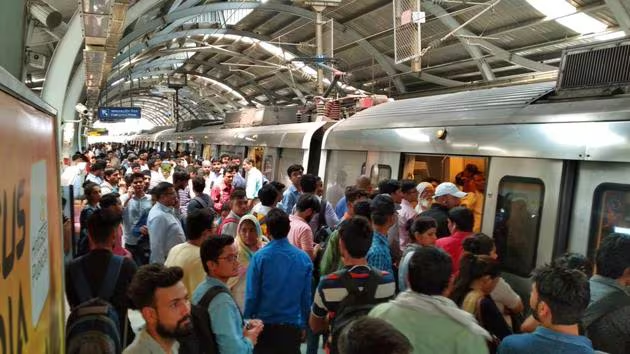
At Janakpuri West, many passengers prepare to change towards another route. Suddenly people stand up even before the train stops. Bags are lifted. Directions are checked. Some move confidently; others look lost.
A woman asks, “Magenta line kidhar se milegi?”
Within seconds, three strangers guide her.
Here, the metro shows cooperation without conversation. The old crowd leaves, a new one arrives, and the personality of the coach resets.
Rajouri Garden: Where Plans Get Louder
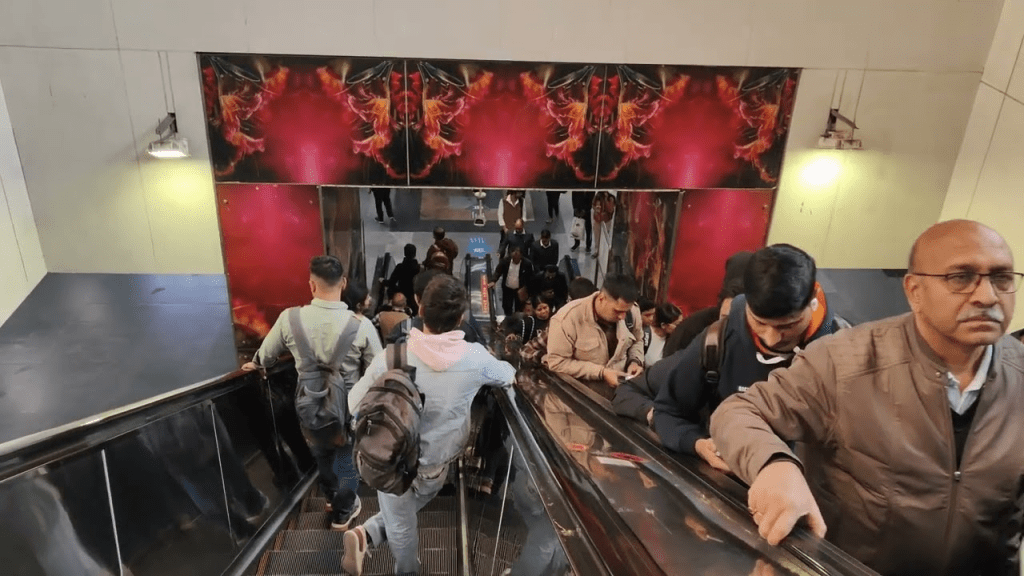
At Rajouri Garden the mood inside the metro shifts once again. Many passengers prepare to change towards the Pink Line, especially those heading to their offices. As soon as the train slows down, some people move quickly towards the doors already focused on the next platform.
There is a different kind of urgency on their faces: they don’t want to be late, they want the transfer to be smooth, and they are mentally calculating time.
But alongside this professional rush, another energy exists.
A group of youngsters stands near the gate discussing “Movie ki timing kya hai” One of them says “ Movie pkka start ho gyi hogi” Their excitement is lighter, more relaxed, almost playful. While some passengers worry about attendance and deadlines, others are thinking about popcorn and seats.
Kirti Nagar: When Silence Wears Earphones
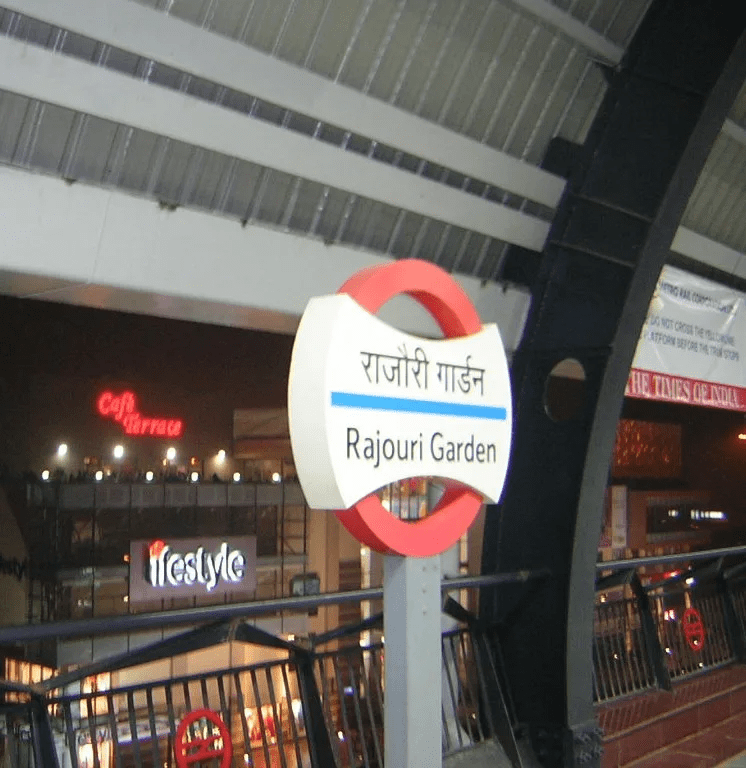
At Kirti Nagar, the mood shifts again. Many office workers enter. Conversations reduce. Earphones go in. Faces become serious.
It feels like the fun of Rajouri Garden has been replaced by responsibility.
I notice people checking presentations, replying to messages, or staring at their calendars. The metro becomes a preparation room before the professional world begins.
Rajiv Chowk: The Human Wave
Nothing prepares you for Rajiv Chowk. The doors open and a human wave enters. Tourists, students, shoppers, corporate employees, everyone at once.
The coach tightens. Personal space disappears. But strangely, the excitement increases.
Languages mix: Hindi, English, Punjabi, sometimes even foreign accents. Fashion becomes performance. Hurry becomes survival.
Backpacks push, hands search for poles, and eyes quickly scan the route map. Someone apologizes while stepping on a shoe. Someone else shouts to a friend who almost got left behind.
I overheard a boy say, “Bhai, yahin utarna hai, jaldi!”
A tourist looks up, confused but curious. A group of college students laughs as if the chaos is part of the fun.
For a few seconds, the metro feels less like transport and more like an event.
If Delhi had a live trailer, it would look like Rajiv Chowk at peak hour.
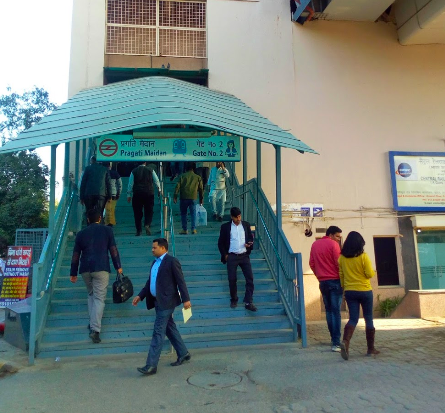
Pragati Maidan: Where Law Boards the Train
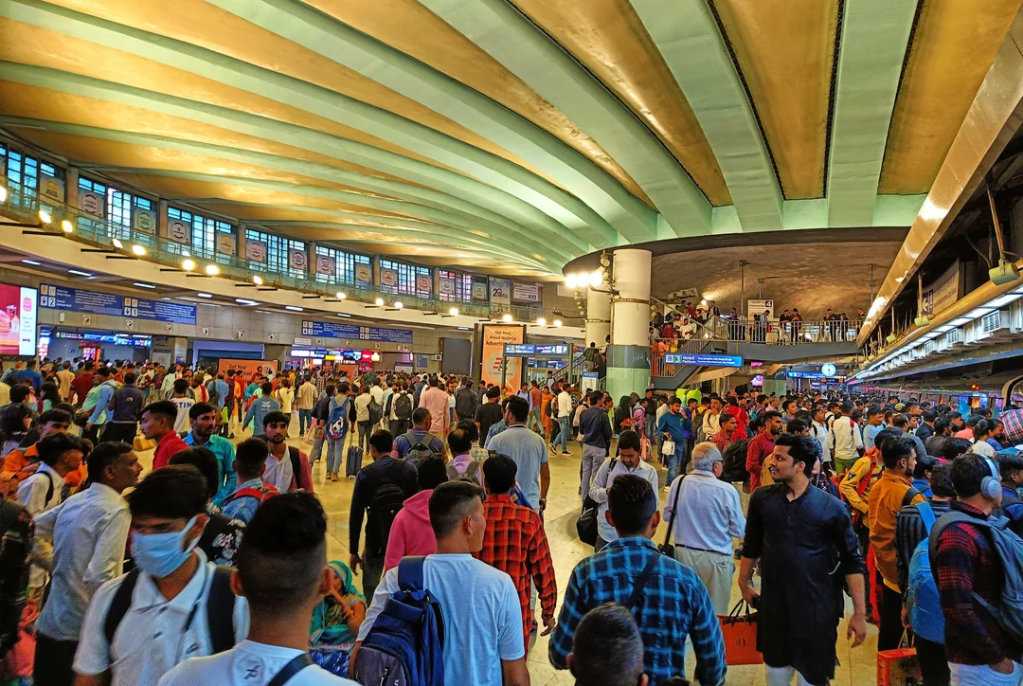
After the rush of earlier stations, Pragati Maidan brings a different rhythm into the coach. Many passengers who enter here are dressed in black coats, holding files and thick folders close to their chest. Their faces show preparation, not excitement.
Phones are used to confirm timings, not for scrolling. I hear someone say they must reach the courtroom before the matter is called. Another person quickly checks documents once again, turning pages with nervous focus.
There is less talking, more planning. The metro feels like a passage leading directly into responsibility. In just a few minutes, celebration turns into discipline.
Yamuna Bank: Exit for Some, Return for Others
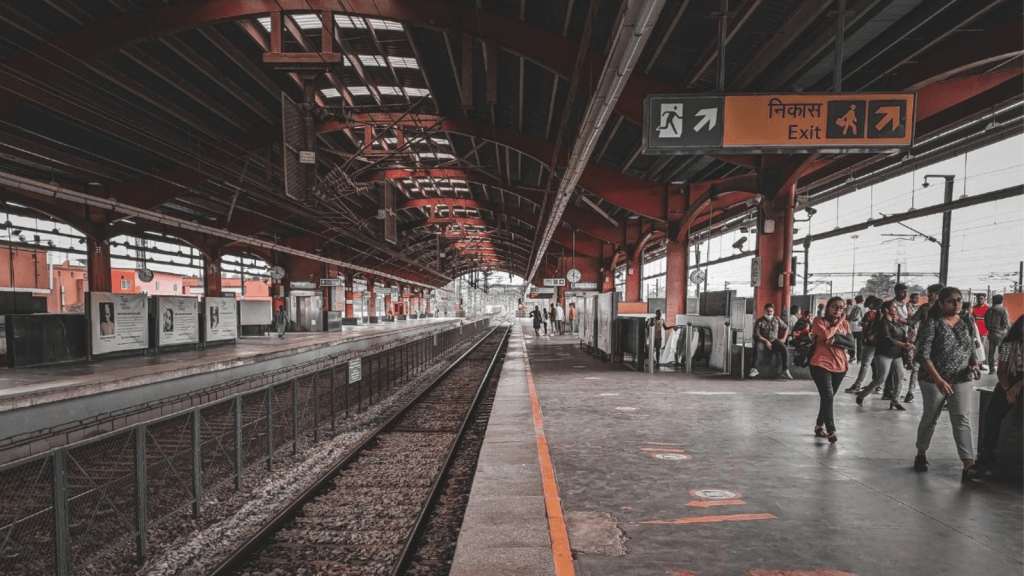
Yamuna Bank is one of the most dramatic points on this route. It feels less like a normal stop and more like a place where directions separate. Until now, everyone has been travelling together. Here, the flow begins to divide.
A few minutes before arrival, passengers suddenly look up from their phones. Eyes move to the route map. People step closer to the doors, adjusting bags and getting ready. Even before the announcement finishes, the question becomes clear: Noida or Vaishali?
As the doors open, movement happens fast. Some passengers rush out to change trains. At the same time, a new crowd enters, many of them coming from Noida, returning from offices, already thinking about reaching home.
Within seconds, the coach changes its character.
The person standing nearby is replaced by someone else with a different routine, a different destination. Old conversations end; new ones begin.
I hear a worried voice ask, “Ye Vaishali jayegi?”
Someone answers calmly, “Haan”
For a small moment, strangers guide each other before moving ahead in their own directions.
Anand Vihar: Where the Journey Continues
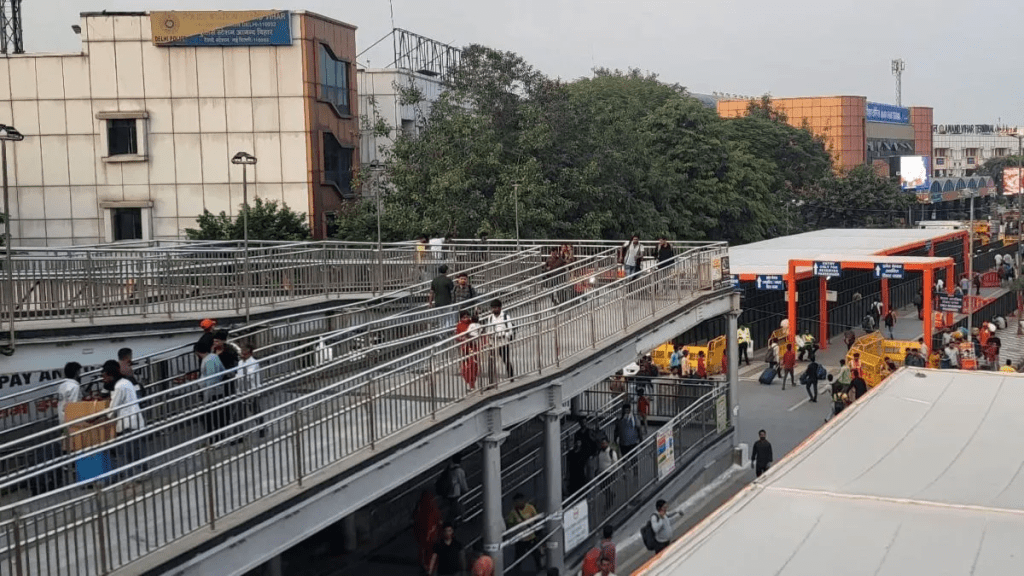
A little further, as the train moves towards Anand Vihar, the mood shifts again. Some passengers are preparing not just to finish their metro ride, but to continue towards the railway station nearby. Bags are held tighter, tickets are checked, and phones come out for quick coordination with family members.
I notice travellers talking about platforms and departure times. For them, the metro is only the first step of a much longer journey. While many people in the coach are returning home after office, others are beginning trips that will take them far beyond the city.
In this way, one station quietly connects everyday routine with distance and departure.
Vaishali: The End of the Line
Vaishali is the last station on this line, and the energy inside the coach feels different now. The rush of the day begins to loosen. People gather their bags, end their calls, and prepare to step back into their personal lives.
Many faces show tiredness, but along with it comes relief. The long hours of work are finally over. Home is close. Some passengers send quick messages to their families; others simply stand quietly, already imagining rest, dinner, or sleep.
Because the journey ends here, nobody is in a hurry for another transfer. When the doors open, the crowd moves out more slowly than before. The fast steps of the morning are replaced by patient ones.
It feels like walking away from pressure and towards comfort.
Yet even in that calm relief, there is a quiet understanding tomorrow, the same line will fill again, and the journey will begin once more.
Together for a While
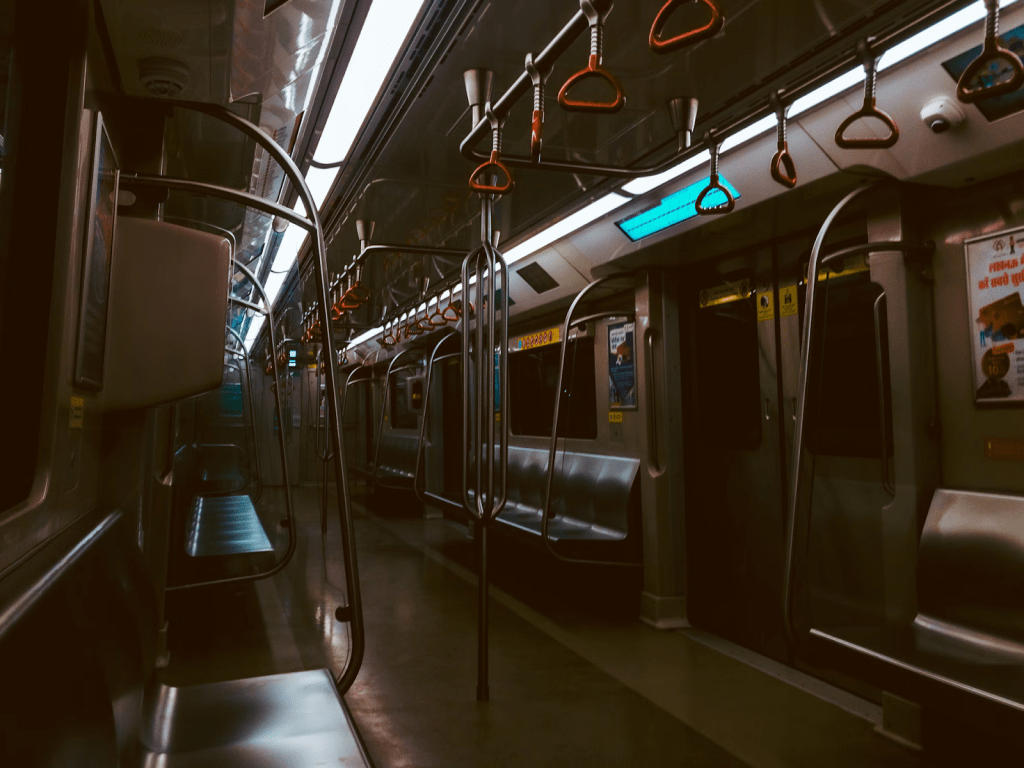
From Dwarka to Vaishali, the Blue Line carries far more than passengers. It carries office pressure, college laughter, legal urgency, travel plans, and the quiet hope of reaching home. At every station, the city changes its face while the train keeps moving.
For a short time, strangers stand together, share space, and then disappear into their own destinations.
One line. Many cities. Every day.


Leave a Reply